12 Patio Ideas That Add Instant Curb Appeal
Patio ideas that add instant curb appeal, covering materials, lighting, planting, and layout changes that make a real difference outside.
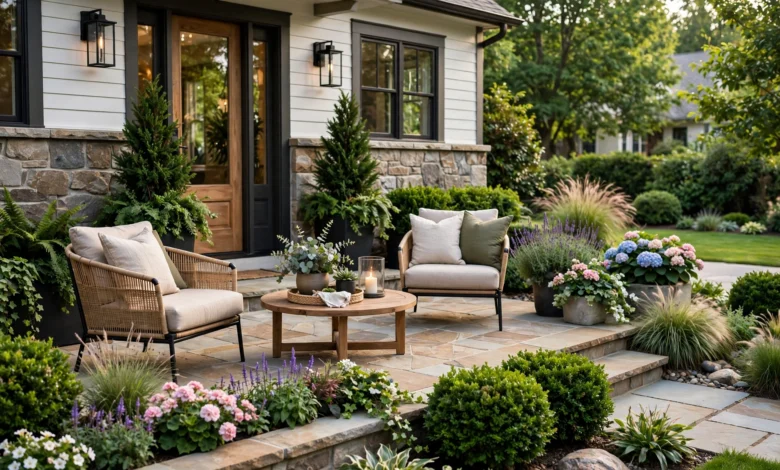
Patio Ideas That Add Instant Curb Appeal: 12 Simple Ways to Upgrade Your Home
Introduction
Patio ideas that add instant curb appeal don’t have to mean a full renovation. Curb appeal is often decided by small, visible details rather than one big expensive project: a clean pathway, a well-placed light fixture, plants that actually look intentional instead of overgrown or patchy. A patio sitting at the front or side of a house is one of the first things a visitor, or a potential buyer, actually notices, which makes it worth more attention than it usually gets.
This article walks through twelve practical ways to improve a patio’s appearance, from material and layout choices to lighting, planting, and small finishing touches. Some of these ideas cost very little and can be done in a weekend. Others are bigger projects worth planning around, particularly if you’re preparing a home for sale or just tired of a patio that’s felt tired and unfinished for years.
We’ll also look at why curb appeal matters in practical terms, not just aesthetically, and where to find reliable information on what actually adds value versus what’s just a trend. By the end, you’ll have a clear list of options to choose from depending on your budget, your timeline, and how much of a change you’re actually looking to make.
Why Patio Curb Appeal Matters
A patio is functional space, but it also does a lot of visual work for a home’s exterior. According to the National Association of Realtors’ Remodeling Impact Report, outdoor projects consistently rank among the improvements that add the most perceived value to a home, both for owners planning to stay and for those preparing to sell. A patio that looks cared for signals that the rest of the property is likely well maintained too, which matters whether you’re hosting guests or listing the house.
With that in mind, here are twelve patio ideas worth considering, organized from smaller, budget-friendly changes to larger structural updates.
1. Upgrade the Flooring Material
The patio surface itself sets the tone for everything else. Cracked, stained, or mismatched concrete tends to make even a well-furnished patio look neglected.
Options worth considering:

- Pavers, which come in enough colors and patterns to suit almost any style, and can often be installed over existing concrete in some cases.
- Natural stone, such as flagstone or slate, which has a higher upfront cost but ages well and adds a noticeably higher-end look.
- Stained or resurfaced concrete, a budget-friendly option if the existing slab is structurally sound but visually worn.
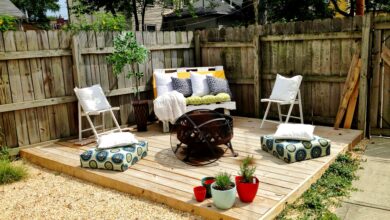
- Composite or timber decking, which works well for patios that transition into a deck or raised area.
If a full resurfacing isn’t in the budget, even power washing and resealing existing concrete or pavers makes a noticeable difference in how finished a patio looks.
2. Define a Clear Pathway
A patio that isn’t clearly connected to the rest of the property by a defined path can feel disconnected, even if the patio itself looks good. Patio ideas focused on curb appeal often start with the approach to the space, not just the space itself.
- Use matching or complementary materials between the pathway and the patio surface to create visual continuity.
- Keep pathway edges clean and well-defined with edging stones or a simple mowing strip.
- Add low-profile lighting along the path for both safety and visual interest after dark.
3. Add a Pergola or Shade Structure
A pergola does more for curb appeal than most people expect, since it adds vertical interest to a patio that would otherwise be a flat, low feature easily overlooked from the street or driveway.
Common options include:
- Wooden pergolas, which suit more traditional home exteriors and can be stained to match trim or fencing.
- Metal or aluminum structures, offering a cleaner, more modern look with less maintenance.
- Retractable canopies or louvre roofs, giving flexibility between shade and open sky depending on weather and time of day.
Even a simple structure with climbing plants trained across it adds height and softness that a flat patio slab doesn’t have on its own.
4. Incorporate Layered Lighting
Lighting has an outsized effect on curb appeal, particularly for patios visible from the street in the evening. A well-lit patio reads as intentional and cared for; a dark, unlit one can look abandoned even if the furniture and landscaping are in good shape.
A few layers worth including:
- String lights or lanterns for general ambient warmth.
- Path and step lighting for safety and visual guidance.
- Accent lighting aimed at a tree, a wall feature, or an architectural detail.
- Motion-sensor security lighting, which adds a practical safety element alongside the aesthetic benefit.
Warm-toned bulbs (lower on the color temperature scale) tend to read as more inviting than cooler, bluer light, which can feel more clinical than welcoming.
5. Choose a Cohesive Color Palette
A patio with furniture, planters, and accessories in random, unrelated colors tends to look cluttered rather than curated, even if each individual piece is attractive on its own.
Practical guidance:
- Stick to two or three main colors plus a neutral base.
- Take cues from the home’s exterior color scheme so the patio feels connected to the house rather than separate from it.
- Use one accent color sparingly, through cushions or planters, rather than spreading several bold colors across the whole space.
6. Add Planters and Greenery Strategically
Plants are one of the fastest ways to add curb appeal to a patio, but placement and maintenance matter more than volume. A few overgrown, unkempt pots can do more visual damage than having no plants at all.
- Symmetrical planters flanking an entry point create an immediate sense of order and intentional design.
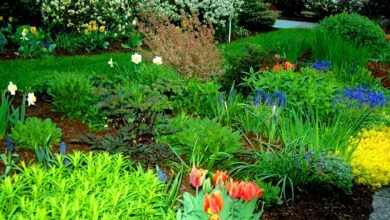
- Layered planting, mixing heights and textures, adds depth without needing a large garden bed.
- Seasonal color rotation, swapping flowering annuals a couple of times a year, keeps the space looking current rather than static.
- Low-maintenance species suited to your specific climate reduce the risk of the patio looking neglected during busy seasons.
7. Install an Outdoor Rug
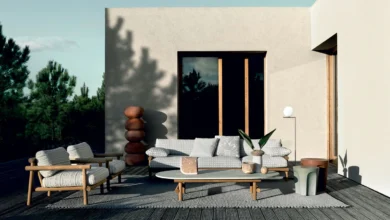
An outdoor rug does for a patio what a rug does for an indoor room: it defines the seating area and adds warmth and texture to what’s otherwise a hard, flat surface. Look for rugs made from polypropylene or similarly weather-resistant fibers, which hold up to rain and sun without staining or fading quickly.
8. Update or Add a Water Feature
A small water feature, whether a fountain, a simple bubbling urn, or a compact pond, adds both visual and audible interest to a patio. It doesn’t need to be large to have an impact; even a modest tabletop fountain near an entry creates a sense of calm and intentional design that a plain patio lacks.
9. Add Vertical Interest
Flat, single-level patios can look visually flat from the street, even with good furniture and planting. Adding vertical elements breaks that up and gives the eye more to take in.
Ways to add height:
- Trellises with climbing plants, such as jasmine or clematis, along a fence or wall.
- Tiered planters or a small raised garden bed at one edge of the patio.
- Wall-mounted planters or art, which adds interest without taking up floor space.
- A pergola or arbor, as mentioned earlier, which is one of the more effective ways to add height to an otherwise flat space.
10. Refresh Furniture Thoughtfully
Furniture doesn’t need to be replaced entirely to improve curb appeal. Sometimes new cushions, a fresh coat of paint on metal frames, or simply rearranging existing pieces into a more intentional layout makes a bigger difference than buying an entirely new set.
- Arrange seating to face inward, encouraging conversation rather than facing outward toward the yard or street.
- Choose furniture scaled appropriately to the patio size; oversized pieces can make a small patio feel cramped, while undersized furniture can make a large patio feel sparse.
- Stick to weather-resistant materials like teak, powder-coated aluminum, or resin wicker to avoid rust and fading over time.
11. Add a Focal Point
Every patio benefits from having one clear focal point, whether that’s a fire pit, an outdoor fireplace, a striking piece of furniture, or a particularly well-placed planting arrangement. Without a focal point, the eye doesn’t know where to land, and the space can feel visually flat or unfinished even with good individual elements.
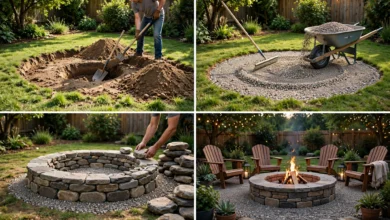
A fire pit in particular works well as a focal point since it also serves a practical function, extending the usable season into cooler months and giving the seating area a natural center.
12. Keep Hardware and Details Consistent
Small details, house numbers, mailbox, light fixtures, door hardware near the patio, all contribute to the overall impression, and mismatched or dated hardware can undercut an otherwise well-designed patio. Updating these small fixtures is inexpensive relative to the visual impact, and it’s worth doing as a final step once the larger patio elements are in place.
The This Old House exterior design guide is a solid resource for further ideas on how small hardware and finish choices affect a home’s overall curb appeal, particularly for older or more traditional homes where matching period-appropriate details makes a noticeable difference.
Prioritizing Based on Budget
Not every homeowner has the budget or time to tackle all twelve of these patio ideas at once. A reasonable way to prioritize:
- Low-cost, high-impact first: lighting, cushions and rugs, planting refresh, cleaning and resealing existing surfaces.
- Medium investment: furniture upgrades, pathway definition, water feature, vertical planting structures.
- Larger projects: flooring replacement, pergola construction, fire pit or fireplace installation.
Tackling the smaller changes first often reveals how much a space can improve without a major investment, which then helps decide whether the bigger projects are actually necessary or whether the smaller updates alone achieve the look you’re after.
Conclusion
Patio ideas that add instant curb appeal don’t need to start with a full renovation. Small, deliberate changes, better lighting, a defined pathway, a cohesive color palette, well-placed planters, and a clear focal point, often make a bigger visible difference than people expect. Larger updates like new flooring, a pergola, or a fire pit are worth considering if the budget allows, but even a weekend spent cleaning, lighting, and rearranging an existing patio can transform how the whole front of a home reads from the street.