How to Design an Outdoor Space for Small Backyards
small backyard design, outdoor space ideas, small backyard landscaping, compact patio design, vertical garden ideas, small yard furniture, backyard zoning ideas, small garden lighting, small outdoor living space, courtyard design ideas
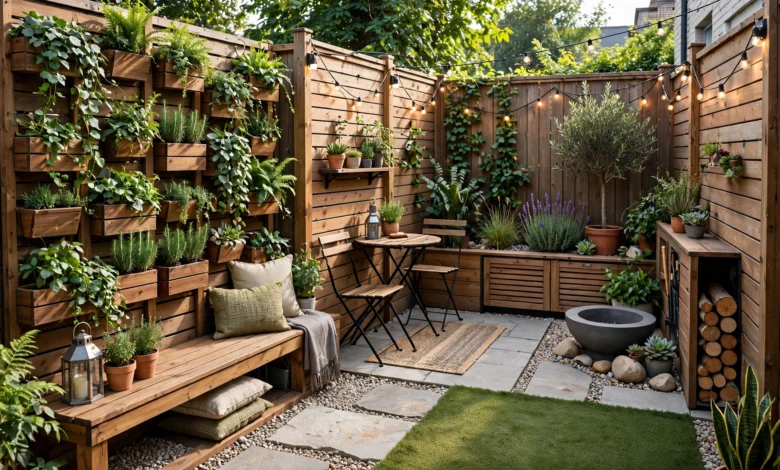
How to Design an Outdoor Space for Small Backyards: 10 Smart Ideas That Maximize Every Inch
Introduction
How to design an outdoor space for small backyards is a question that comes up constantly, and for good reason. Not everyone has a sprawling yard to work with, and most generic outdoor design advice assumes plenty of square footage to spread things out. When you’re working with a compact courtyard, a narrow side yard, or a small fenced-in backyard behind a townhouse, that advice doesn’t hold up. Every decision, from furniture size to plant placement, has to work harder because there’s less room for anything that doesn’t earn its spot.
The good news is that small backyards can be some of the most usable and well-loved outdoor spaces, precisely because their limits force more intentional decisions. A cramped, poorly planned yard and a small, well-designed one can occupy the exact same square footage and feel completely different to actually use.
This guide walks through ten practical strategies for designing a small backyard that feels open, functional, and genuinely enjoyable rather than cramped. We’ll cover layout and zoning, materials that visually expand a space, vertical gardening, furniture choices suited to tight footprints, and small design tricks that make a real difference without requiring a full landscaping budget. Whether you’re starting from an empty patch of dirt or reworking an existing space that’s never quite worked, these ideas apply regardless of your specific climate or region.
1. Start With a Clear Plan Before Adding Anything
The biggest mistake in small backyard design is adding furniture and features piece by piece without an overall plan. In a large yard, that approach might still work out reasonably well. In a small space, it usually results in a cluttered, disjointed area that feels smaller than it actually is.
Before buying anything, sketch out:
- The rough dimensions of the space, including any irregular angles or obstructions.
- Where sun and shade fall throughout the day, since this affects both plant choice and where seating is comfortable.
- Sightlines from inside the house, since what you see through the window shapes how the whole space feels.
- Any fixed elements you can’t move, like drainage points, utility access, or existing trees.
A clear plan doesn’t need to be elaborate. Even a rough sketch with measurements prevents the common problem of buying furniture that doesn’t fit or placing a feature in a spot that blocks the most useful pathway through the yard.
2. Divide the Space Into Purposeful Zones
It might seem counterintuitive, but breaking a small backyard into distinct zones, rather than leaving it as one open area, tends to make it feel larger and more considered. This is one of the more reliable outdoor space design principles that professional landscapers use regardless of yard size.
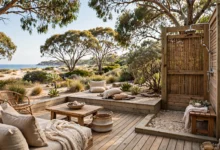
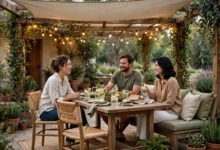
Common zoning approaches for small backyards:
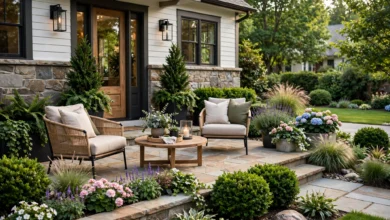
- A dining or cooking area close to the house, since this gets the most regular use and benefits from easy access to the kitchen.
- A lounge or relaxation corner, often tucked into a back or side area, offering a slightly separate feel from the main entertaining zone.
- A small planting or green zone, even if it’s just a few containers along a fence line, to soften hard surfaces.
Using different flooring materials, a change in paving pattern, or even just a rug, to subtly mark the boundary between zones helps define them without needing actual walls or barriers, which would eat into already limited space.
3. Choose Furniture Scaled to the Space
Oversized furniture is one of the fastest ways to make a small backyard feel cramped rather than cozy. Furniture that would look proportionate in a large yard can dominate a small one and block movement through the space entirely.
Practical furniture strategies:
- Measure before buying. It sounds obvious, but it’s the most commonly skipped step, and the most common cause of furniture that doesn’t work once it’s actually in place.
- Choose multi-functional pieces, such as a storage bench that doubles as seating, or a coffee table with a lift-top for extra storage.
- Opt for foldable or stackable furniture if the space needs to serve multiple purposes at different times, such as extra dining chairs that fold flat and store easily.
- Leave breathing room around furniture groupings. Cramming furniture right up against fences or walls, without any surrounding space, tends to make an area feel more crowded, not less.
4. Use Vertical Space to Your Advantage
When floor space is limited, going vertical is one of the most effective ways to add greenery, storage, and visual interest without eating into usable ground area. This is one of the most consistently recommended outdoor space strategies for small backyards, and it’s worth prioritizing early in the planning process.
- Vertical gardens or living walls, using wall-mounted planters or a modular planting system, add significant greenery without taking up floor space.
- Trellises and climbing plants along a fence line soften hard boundaries and add height without a large footprint.
- Hanging planters from a pergola beam or wall bracket free up floor space that would otherwise be taken by potted plants.
- Wall-mounted storage for gardening tools or outdoor accessories keeps the ground level clear and functional.
5. Pick Materials That Visually Expand the Space
Certain material choices genuinely make a small backyard feel larger, mostly through consistency and how light interacts with the surfaces.
Flooring
- Large-format pavers create fewer grout lines than smaller tiles, which reduces visual clutter and makes the floor area read as more expansive.
- Consistent flooring material between the patio and any adjoining indoor space creates a sense of continuity that makes both areas feel bigger than they are individually.
- Light-colored paving reflects more light and tends to make a space feel more open than dark surfaces, which can visually shrink a small yard.
Boundaries
- Light-colored fencing or walls reflect light better than dark boundaries, which can make a small space feel enclosed and heavy.
- Mirrors mounted on a fence or wall are a well-known trick that genuinely works, reflecting greenery and light to create the illusion of more depth.
- Semi-transparent screening, like slatted panels instead of solid fencing, allows some sightline through, which can make a boundary feel less confining than a solid wall.
6. Keep the Plant Palette Focused
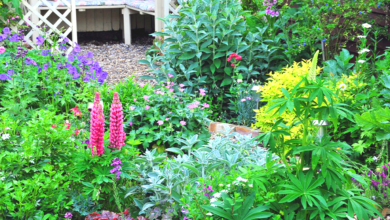
It’s tempting to fill every available inch of a small backyard with plants, but a cluttered mix of species, colors, and pot styles usually makes the space feel busier and smaller, not more lush. A more restrained approach tends to work better.
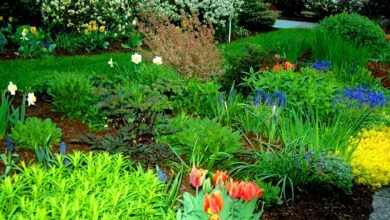
- Choose two or three main plant varieties and repeat them throughout the space rather than using many different species.
- Stick to a cohesive pot style and color for container plants, which creates a more unified, intentional look.
- Use structural evergreens for year-round form, layering in seasonal color through smaller flowering plants or annuals.
- Prioritize plants with a defined, compact growth habit over sprawling species that will quickly overwhelm a small footprint.
Resources like Better Homes & Gardens’ small space gardening guides offer useful, practical suggestions specifically suited to compact yards and container gardening, which is worth a look if you’re working with a particularly tight footprint.
7. Add Shade Without Overwhelming the Space
Shade matters in almost any climate, but a large, heavy structure can dominate a small backyard visually as much as it does physically. Choosing the right scale of shade structure matters more here than in a larger yard.
- Umbrellas are the most flexible option, since they can be moved, adjusted, or removed entirely depending on the day.
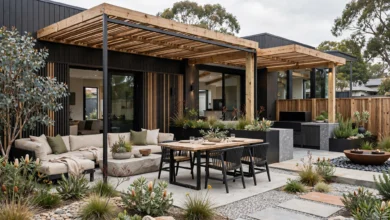
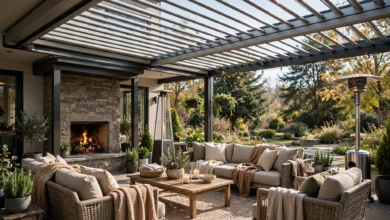
- Small pergolas with an open lattice roof, rather than a solid cover, let in more light and feel less heavy in a compact space.
- Retractable awnings attached to the house are a space-efficient option that doesn’t require additional support posts taking up floor area.
8. Layer Lighting for Evening Use
A small backyard that goes dark and unusable after sunset isn’t making the most of the space. Good lighting extends usable hours and adds atmosphere, which matters even more in a compact area where every design choice needs to pull its weight.
- String lights along a fence line or pergola add warmth without requiring floor space for fixtures.
- Low-level path or step lighting helps define zones after dark, reinforcing the layout established during the day.
- Small lanterns or candles on a table add a soft, intimate glow suited to close-quarters entertaining.
9. Add a Focal Point to Anchor the Design
Every well-designed outdoor space, regardless of size, benefits from a clear focal point that draws the eye and gives the layout a sense of purpose. In a small backyard, this matters even more, since without one, the space can end up feeling like a collection of random elements rather than a cohesive design.
Options for a small-scale focal point:
- A small water feature, such as a wall-mounted fountain, which adds sound and visual interest without a large footprint.
- A fire bowl or small fire pit, suited to compact seating arrangements and extending the usable season into cooler evenings.
- A statement plant, such as a small ornamental tree in a large container, positioned as the visual anchor of the space.
- Artwork or a decorative screen mounted on a boundary wall or fence.
10. Keep Maintenance Realistic
A small backyard is easier to maintain than a large one by default, but it’s still worth designing with realistic upkeep in mind, since a cluttered, poorly maintained small space feels more noticeably neglected than the same issue would in a larger yard.
- Choose low-maintenance materials like composite decking or porcelain paving over surfaces that need regular sealing or treatment.
- Select drought-tolerant or low-water plants where practical, reducing the time spent on watering.
- Build in storage for tools and outdoor accessories, so the space doesn’t accumulate clutter that undermines an otherwise well-planned design.
- Do a seasonal reset, tidying plantings and refreshing cushions or decor a couple of times a year, to keep the space looking cared for.
The American Society of Landscape Architects offers additional guidance on residential landscape planning that’s useful for anyone looking to take a more structured approach to a small backyard redesign, particularly if you’re considering bringing in a professional for parts of the project.
Conclusion
Learning how to design an outdoor space for small backyards comes down to intentional planning rather than trying to fit in as much as possible. Clear zoning, appropriately scaled furniture, vertical gardening, and light-reflecting materials all help a compact space feel larger and more open than its actual square footage. Add a focused plant palette, layered lighting, a strong focal point, and realistic maintenance expectations, and a small backyard can end up feeling just as functional and inviting as a much larger one, sometimes more so, since every element has been chosen with real intention rather than simply filling available space.