Outdoor Design Tips for Homes in Melbourne
Outdoor design tips for homes in Melbourne, covering weatherproof materials, planning permits, planting advice, and small-space layouts.
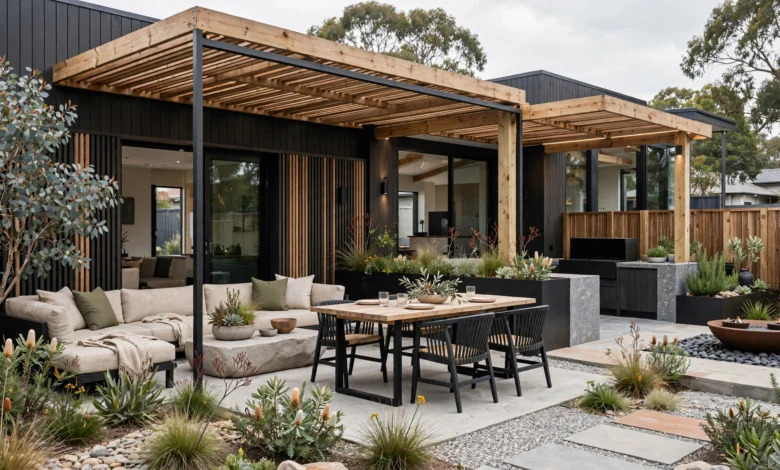
Outdoor Design Tips for Homes in Melbourne: 9 Essential Ideas for Unpredictable Weather
Introduction
Outdoor design tips for homes in Melbourne need to account for a climate that’s famously hard to plan around. Melbourne’s reputation for “four seasons in one day” isn’t just a joke locals repeat to visitors, it’s a genuine design constraint. A backyard built for consistent heat, like you might design for Brisbane, or for steady rainfall, like a Bristol garden, doesn’t hold up well against Melbourne’s habit of swinging from bright sun to sudden wind and rain within the same afternoon.
This article works through what actually holds up for Melbourne properties specifically, from inner-city terrace houses with narrow courtyards to larger suburban blocks in the outer east or west. We’ll cover material choices that can handle temperature swings and wind, planting suited to Melbourne’s temperate climate and periodic water restrictions, and the planning permit system that trips up a fair number of homeowners partway through a renovation, particularly in heritage overlay areas that cover large parts of the inner suburbs.
We’ll also look at how to make the most of smaller inner-city outdoor spaces, common in Melbourne’s terrace and townhouse housing stock, along with heating and shelter solutions that extend usable time through the city’s cooler months. None of this requires ignoring Melbourne’s unpredictable weather. It means designing around it, with flexible shelter, durable materials, and a planting palette that won’t collapse the first time the forecast changes without warning.
1. Design Around Melbourne’s Changeable Weather
Good outdoor design in Melbourne starts with accepting that the weather will shift without much notice, rather than designing for a single, consistent condition. This shapes almost every other decision in this guide.
Practical considerations to build into your plan from the start:
- Include at least one covered or shelterable area so outdoor plans don’t have to be cancelled entirely when the wind or rain rolls in unexpectedly.
- Choose furniture and fixtures rated for wind exposure, since Melbourne’s gusty conditions, particularly in exposed bayside or elevated suburbs, can damage lightweight or poorly secured pieces.
- Plan for both sun and shade, since a space that only works in full sun will sit unused on the city’s frequent overcast or windy days.
- Build in flexibility, retractable awnings, movable umbrellas, or adjustable louvres, rather than fixed, single-purpose structures.
2. Choose Materials That Handle Temperature Swings
Melbourne’s climate puts real stress on materials, not through extreme heat or constant rain the way some other Australian cities do, but through frequent, sometimes dramatic temperature swings and periodic strong winds.
Decking and Flooring
- Composite decking handles Melbourne’s variable conditions well, resisting the warping that can occur when timber expands and contracts repeatedly through temperature changes.
- Hardwood decking, such as spotted gum or merbau, remains popular for its natural look but needs proper sealing to manage the wear that comes with the city’s mix of sun, wind, and rain.
- Bluestone paving, a material closely associated with Melbourne’s architectural character, holds up well to the local climate and suits both period and contemporary homes.
Furniture and Fixtures
- Powder-coated aluminum furniture resists the corrosion that can develop from Melbourne’s occasional heavy rain and humidity, particularly in bayside suburbs with salt air exposure.
- Weighted or anchored furniture matters more here than in calmer climates, given how quickly Melbourne’s wind can pick up without much warning.
- UV-stable fabrics for cushions and shade sails hold their colour better through Melbourne’s strong summer sun, even though the season itself tends to be shorter than in northern states.
3. Understand Melbourne’s Planning Permit Requirements
This is one of the areas where Melbourne homeowners most often run into unexpected delays, particularly given how many inner and middle-ring suburbs fall within heritage overlays or other planning controls.
When a Permit Is Typically Required
Many straightforward garden structures fall under exempt or VicSmart planning pathways in Victoria, meaning they can proceed without a lengthy application process provided they meet specific size, height, and setback criteria. However, these exemptions are frequently reduced or removed in heritage overlay areas, which cover large sections of Melbourne’s inner and middle suburbs, as well as properties with other overlays such as vegetation protection or significant landscape controls.
Structures that commonly require a closer look before starting work:
- Pergolas, decks, or outbuildings exceeding certain height or floor area thresholds.
- Any structure visible from the street in a heritage overlay area, where even minor changes can require council approval.
- Fencing changes to street-facing boundaries, particularly in heritage precincts with specific fencing style requirements.
- Work affecting significant trees, which are protected under vegetation controls in many Melbourne council areas.
Where to Check
Before committing to a design, it’s worth reviewing your specific requirements through Victoria’s planning portal, which outlines permit exemptions, overlay information, and links through to individual council planning schemes. Confirming requirements before construction begins is far less costly and disruptive than dealing with a stop-work notice or a retrospective planning application partway through a project.
4. Choose Plants Suited to Melbourne’s Temperate Climate
Melbourne sits in a temperate climate zone with warm, sometimes hot, summers and cool, wet winters, and periodic water restrictions have shaped how locals approach garden planning over the past couple of decades.
Reliable Choices for Melbourne Gardens
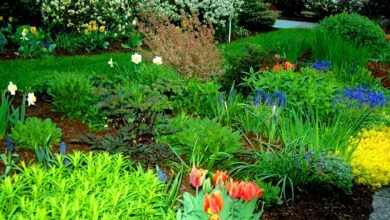
- Australian native species, such as correa, grevillea, and westringia, tolerate Melbourne’s dry summer stretches while still coping with the city’s cooler, wetter winters.
- Ornamental grasses, including lomandra and poa, add texture and movement while needing relatively little water once established.
- Deciduous trees, a distinctive feature of many Melbourne gardens, provide summer shade and let winter sun through once the leaves drop, which suits the city’s seasonal temperature swings particularly well.
- Hardy Mediterranean-style planting, like lavender, rosemary, and olive trees, has become increasingly popular given how well these species handle Melbourne’s dry summers.
Sustainability Victoria publishes practical, region-specific guidance on water-wise gardening that’s worth reviewing, particularly given how often water restrictions have applied across parts of the state during dry periods, and how much easier long-term maintenance becomes with the right plant choices from the outset.
Managing Wind Exposure
Bayside and elevated Melbourne suburbs in particular deal with more consistent wind exposure than sheltered inner-city courtyards. Windbreak planting, using layered hedging or wind-tolerant species along exposed boundaries, protects more delicate plants further into the garden and makes outdoor seating areas considerably more comfortable.
5. Make the Most of Small Courtyards and Terrace Gardens
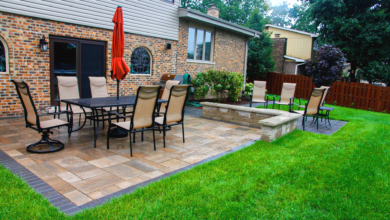
Melbourne’s inner suburbs are full of Victorian and Edwardian terrace houses with narrow gardens or small courtyards, and outdoor design for these properties needs a different approach than a larger suburban block.
- Use vertical planting, trellises, wall-mounted planters, and climbing species, to add greenery without sacrificing already limited floor space.
- Choose multi-functional furniture, such as built-in bench seating with storage underneath, suited to compact courtyards.
- Stick to a consistent paving material between indoor and outdoor areas to create a sense of visual continuity and make the space feel larger than its actual footprint.
- Add mirrors or reflective surfaces on boundary walls in particularly small or shaded courtyards, a straightforward trick that genuinely helps a compact space feel more open.
6. Add Shelter and Heating for Year-Round Use
Given how quickly Melbourne’s weather can turn, and how cool winter evenings can get, adding shelter and heating genuinely extends how much a backyard or courtyard actually gets used across the year rather than sitting empty for months at a time.
Shelter Options
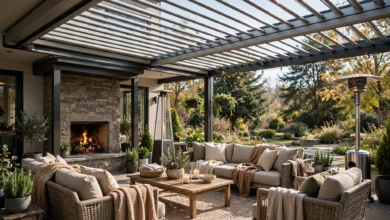
- Retractable roof pergolas or louvre systems, giving flexibility between open sky on clear days and shelter when the weather shifts.
- Fixed patio covers, a lower-maintenance option that provides consistent protection but less flexibility than an adjustable system.
- Windbreak screening, particularly valuable for exposed courtyards or bayside properties dealing with consistent wind.
Heating Options
- Gas or electric patio heaters, a straightforward addition to an existing outdoor space without major structural changes.
- Fire pits, doubling as both a heat source and a natural focal point for evening gatherings.
- Outdoor fireplaces, a bigger investment but a strong visual centerpiece for larger renovation projects.
Checking any local restrictions around open flames, particularly during Victoria’s total fire ban periods in outer and semi-rural areas, is worth doing before committing to a wood-burning option.
7. Add Layered Lighting for Melbourne’s Long Winter Evenings
Melbourne’s shorter winter daylight hours mean outdoor spaces get used after dark for a significant part of the year, making layered lighting a genuinely practical addition rather than a purely decorative one.
- Warm-toned string or festoon lighting for general ambient light across dining and seating areas.
- Low-level path and step lighting, particularly important in older properties with uneven paving or steps common in period Melbourne homes.
- Accent lighting on a feature tree, wall, or architectural detail to add depth once the sun goes down.
- Motion-sensor security lighting near side access points and gates, particularly relevant for narrow terrace properties with limited natural surveillance from the street.
8. Consider Bushfire Requirements for Outer Melbourne Properties
While inner and middle-ring Melbourne suburbs generally aren’t affected, properties in Melbourne’s outer fringe, the Dandenong Ranges, the Yarra Valley, and other semi-rural areas within the broader metropolitan region, may fall within designated bushfire-prone areas under Victorian planning controls.
If your property falls into this category:
- Check your Bushfire Attack Level (BAL) rating, which determines specific material and construction requirements for structures near the home.
- Choose non-combustible decking, fencing, and pergola materials within the areas closest to the house.
- Keep garden beds and mulch away from direct contact with the building, using gravel rather than bark mulch in the areas immediately surrounding the structure.
- Maintain clear space around vegetation, keeping trees and shrubs pruned back from windows, eaves, and other vulnerable points on the house.
9. Add Personal Touches That Suit Melbourne’s Design Character
Melbourne’s outdoor design identity tends to lean toward a considered, slightly understated aesthetic, drawing on the city’s mix of period architecture and contemporary design sensibility, more than the bold tropical look common further north.
- Bluestone or timber detailing that echoes the material palette common in Melbourne’s period housing stock.
- A mix of native and Mediterranean-style planting, reflecting the city’s design trends and well-suited climate match.
- Outdoor art or sculptural elements, which show up frequently in Melbourne garden design given the city’s broader cultural emphasis on design and the arts.
- Considered, muted colour palettes for furniture and soft furnishings, rather than the brighter tropical tones more common in Queensland outdoor spaces.
Conclusion
Outdoor design tips for homes in Melbourne ultimately come down to planning around a climate that refuses to stay consistent from one hour to the next. That means building in shelter and flexibility rather than committing to a single fixed setup, choosing materials that handle temperature swings and occasional strong wind, and selecting plants suited to the city’s dry summers and cool, wet winters. Add a clear understanding of planning permit requirements, particularly in heritage overlay areas, thoughtful lighting and heating for the city’s longer winter evenings, and a material palette that reflects Melbourne’s understated design character, and a backyard or courtyard here can genuinely work through all four seasons the city likes to throw at it in a single day.