12 Low-Maintenance Gardening Ideas for Busy Homeowners
Practical low-maintenance gardening ideas for busy homeowners, covering plant choices, mulching, irrigation, and simple upkeep habits.
12 Effortless Low-Maintenance Gardening Ideas for Busy Homeowners
Introduction
Low-maintenance gardening ideas for busy homeowners exist for a good reason: most people want a yard that looks good without turning into a second job. Between work, family, and everything else competing for your time, spending every Saturday pulling weeds or fussing over fragile plants just isn’t realistic for most households. The good news is that a beautiful, healthy garden and a manageable one aren’t mutually exclusive.
The trick is building a garden that works with less input from you, not one that simply looks neglected. That means choosing the right plants, setting up systems that reduce repetitive tasks, and making a few smart layout decisions early on that pay off for years afterward. A garden designed with low maintenance in mind can still be colorful, seasonal, and genuinely enjoyable to spend time in. It just doesn’t demand hours of your week to stay that way.
This guide covers twelve practical ideas for cutting down on garden upkeep without sacrificing curb appeal or your weekend vegetable patch. From plant selection and mulching to irrigation upgrades and smart layout choices, these tips are aimed at homeowners who want a yard that takes care of itself as much as possible. Some of these changes take an afternoon to implement. Others are more of an investment upfront but save significant time for years to come. Either way, by the end you’ll have a clear list of changes worth making in your own yard.
Choose Plants That Do the Work for You
Plant selection is the single biggest factor in how much maintenance a garden requires, and it’s the first place to focus when building a low-maintenance garden.
Prioritize Native and Drought-Tolerant Plants
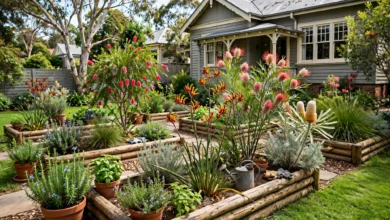
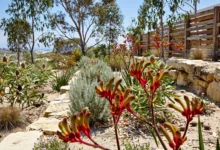
Native plants are adapted to your local rainfall, soil, and climate, which means they generally need far less watering, fertilizing, and pest management than non-native ornamentals. Drought-tolerant species from similar climates elsewhere in the world also hold up well with minimal attention once established.
Choose Perennials Over Annuals
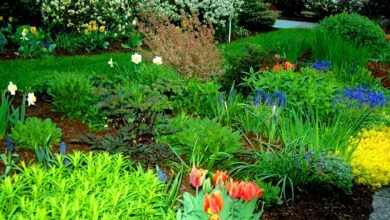
Annuals need replanting every single year, which adds up to a lot of repeated labor over time. Perennials, by contrast, come back season after season with far less input. Building a garden primarily around perennials cuts down dramatically on yearly planting work.
Pick Slow-Growing, Compact Varieties
Fast-growing shrubs and trees often require frequent pruning just to keep them in check. Choosing naturally compact or slow-growing varieties reduces how often you need to get out the pruning shears, which is one of the more time-consuming garden tasks for many homeowners.
Reduce Weeding With Smart Groundcover
Weeding is one of the most repetitive, time-consuming garden chores, and a few strategic changes can cut it down significantly.
Use Mulch Generously
A two-to-three-inch layer of mulch around plants suppresses weed growth, retains soil moisture, and moderates soil temperature, all while giving beds a clean, finished look. This is one of the highest-impact, lowest-cost low-maintenance gardening ideas available, and it pays off within the first season.
Plant Groundcover Instead of Bare Soil
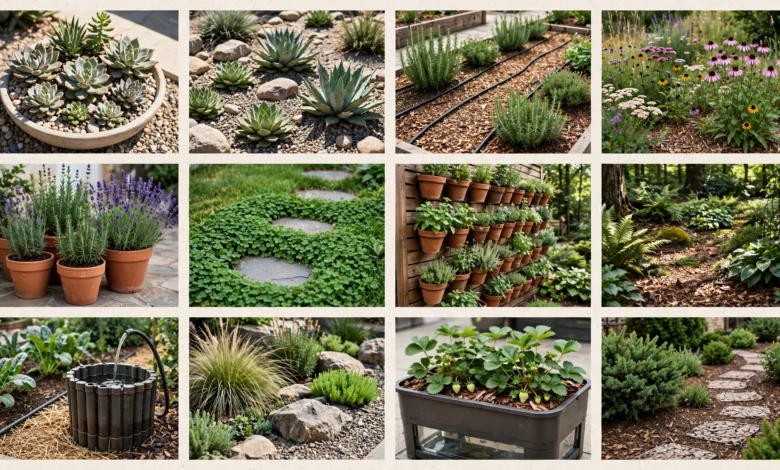
Bare soil is an open invitation for weeds. Filling gaps between larger plants with low-growing groundcover, such as creeping thyme or sedum, crowds out weeds naturally while adding texture and color to the bed.
Consider Landscape Fabric for Larger Beds
Landscape fabric laid beneath mulch adds another layer of weed suppression, particularly useful in larger beds where hand-weeding would otherwise take significant time. It’s not necessary everywhere, but it can be a smart addition around shrubs and other permanent plantings.
Automate Your Watering System
Manual watering is one of the most time-consuming recurring tasks in any garden, and it’s also one of the easiest to automate.
Install Drip Irrigation on a Timer
Drip irrigation delivers water directly to plant roots and can be set on an automatic timer, removing watering entirely from your to-do list once it’s installed. This also tends to use water more efficiently than hand-watering or sprinklers, cutting down on utility costs. The EPA’s WaterSense program offers straightforward guidance on efficient irrigation setup for home gardens, available at epa.gov/watersense.
Group Plants by Water Needs
Placing plants with similar watering requirements together, a practice known as hydrozoning, makes automated irrigation far more effective and prevents overwatering some plants while underwatering others on the same zone.
Add a Rain Sensor
A simple rain sensor attached to an irrigation timer prevents the system from running during or right after rainfall, saving water and reducing the risk of overwatering during wet stretches without requiring you to manually adjust the schedule.
Rethink Your Lawn
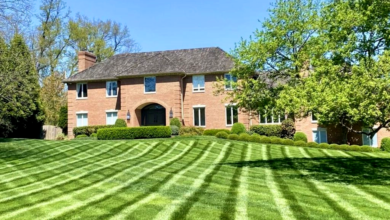
Traditional turf lawns are one of the highest-maintenance features in most yards, requiring regular mowing, watering, and fertilizing to stay presentable.
Shrink the Lawn Area
Reducing lawn size in favor of mulched beds, groundcover, or hardscaping cuts down on mowing time significantly. Even converting a portion of a large lawn can make a noticeable difference in weekly upkeep.
Try a Low-Mow Grass Alternative
Certain grass varieties and groundcovers, such as clover lawns or low-growing fescue blends, require far less frequent mowing than traditional turf while still providing a walkable, green surface.
Consider Artificial Turf for High-Traffic Zones
For small, high-traffic areas, particularly where grass struggles to grow anyway, artificial turf eliminates mowing and watering entirely. It’s not the right fit for every yard, but it can be a practical solution in specific spots.
Simplify With Raised Beds and Containers
Raised beds and containers aren’t just space-savers. They also make maintenance significantly easier for busy homeowners.
Use Raised Beds for Better Soil Control
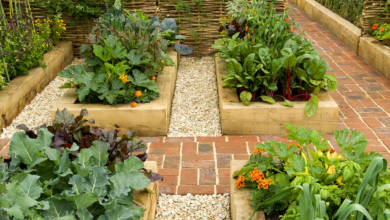
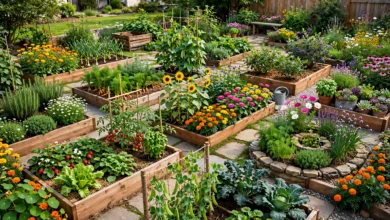
Raised beds allow you to fill the space with high-quality, well-draining soil from the start, reducing the ongoing soil amendment work that in-ground beds with poor native soil often require. They also warm up faster in spring and drain more predictably.
Group Containers for Easier Care
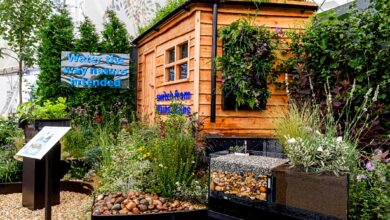
Containers concentrate your gardening tasks into a smaller, more manageable area. Grouping them together, ideally near a water source, makes watering and general care far quicker than tending scattered in-ground beds across a larger yard.
Choose Self-Watering Containers
Self-watering containers include a built-in reservoir that reduces how often you need to check on soil moisture, which is especially useful for anyone who travels frequently or has an unpredictable schedule.
Cut Down on Pruning and Deadheading
Pruning and deadheading are necessary for plant health, but the right plant choices can reduce how often you need to do either.
Choose Self-Cleaning Flowering Plants
Some flowering plants, often labeled “self-cleaning,” drop spent blooms naturally without needing manual deadheading. Choosing these varieties over ones that require constant grooming saves real time across a growing season.
Select Naturally Well-Shaped Shrubs
Shrubs bred for a naturally rounded or compact form require far less corrective pruning than varieties that grow leggy or unruly without regular shaping. This is a small detail at purchase time that saves considerable effort later.
Manage Pests With Minimal Intervention
Pest management doesn’t have to be a constant chore if the garden is set up to handle minor issues on its own.
Encourage Beneficial Insects
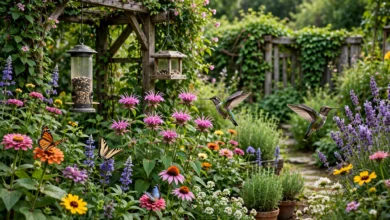
Ladybugs, lacewings, and other beneficial insects naturally keep aphids and similar pests under control. Planting a few pollinator-friendly flowers throughout the garden attracts these helpers and reduces how often manual pest treatment becomes necessary.
Choose Pest-Resistant Plant Varieties
Many plant varieties are bred specifically for resistance to common pests and diseases. Choosing these over more vulnerable varieties cuts down significantly on monitoring and treatment time throughout the season. University extension programs, such as those affiliated with Cornell University’s College of Agriculture and Life Sciences, publish reliable, region-specific pest-resistant variety recommendations, available at cals.cornell.edu.
Set Up a Simple, Sustainable Maintenance Routine
Even a low-maintenance garden benefits from a light, consistent routine rather than sporadic bursts of effort.
- Do a five-minute walkthrough weekly to catch small issues, like a dry container or an early weed, before they become bigger jobs.
- Fertilize on a seasonal schedule rather than constantly, using slow-release products where possible to reduce how often you need to apply them.
- Batch tasks together, handling watering, light pruning, and weeding in one session rather than spreading small chores across multiple days.
- Refresh mulch once or twice a year rather than constantly patching bare spots as they appear.
- Keep a basic plant list noting each plant’s water and care needs, so you’re not guessing or over-tending anything.
Use Hardscaping to Reduce Living Plant Area
Hardscaping elements add structure and visual interest without requiring the ongoing care that living plants do.
Add Pathways and Patios
Gravel paths, pavers, and patio areas break up large lawn or bed sections, reducing the total area that needs regular maintenance while adding functional outdoor living space at the same time.
Incorporate Rock Gardens
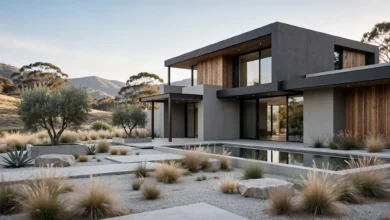
Rock gardens, especially when paired with a handful of drought-tolerant plants, create visual texture with minimal upkeep. They’re particularly effective in hot, dry spots where grass or thirsty plants would otherwise struggle anyway.
Conclusion
Building a garden that looks great without demanding your every free weekend comes down to a handful of deliberate choices: picking the right plants, reducing weed pressure with mulch and groundcover, automating irrigation, simplifying your lawn, and setting up a light, consistent maintenance routine instead of constant reactive work. These twelve low-maintenance gardening ideas for busy homeowners aren’t about giving up on a nice yard. They’re about designing one that holds up on its own so you can actually enjoy it rather than constantly working on it. Start with one or two changes, whether that’s adding mulch or installing drip irrigation, and build from there. Over time, these adjustments add up to a garden that fits into a busy life instead of competing with it.