Gardening Tips for Homes in London and Leeds
Practical gardening tips for homes in London and Leeds, covering soil types, climate differences, small gardens, and seasonal care.
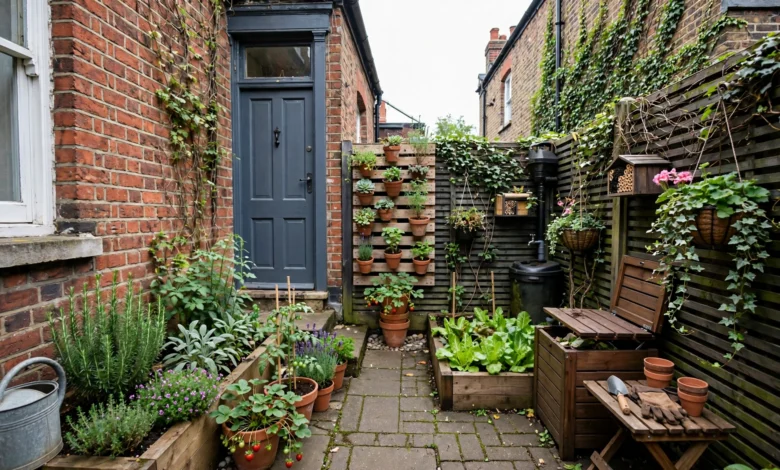
11 Essential Gardening Tips for Beautiful Homes in London and Leeds
Introduction
Gardening tips for homes in London and Leeds need to account for two cities that, despite both sitting in the UK, garden quite differently in practice. London deals with a noticeable urban heat island effect, dense housing with often tiny gardens, and heavy clay soil across much of the city. Leeds, further north and further from the coast, sees cooler temperatures, more consistent rainfall, higher wind exposure near the Pennines, and generally larger garden plots in its suburbs.
If you’ve ever followed generic UK gardening advice and found it didn’t quite match what was happening in your own garden, this is usually why. A tip that works well in a sheltered London courtyard might fall flat in an exposed Leeds garden dealing with stronger wind and a later frost date. Likewise, a Leeds-specific tip about maximising a larger plot doesn’t help much if you’re working with a tiny London balcony.
This guide breaks down practical, region-aware advice for gardening in both cities, covering soil management, seasonal timing, plant choices suited to each climate, and space-saving ideas for London’s smaller gardens. Whether you’re in a terraced house in Leeds with a proper back garden, or a London flat with just a balcony and a few pots, you’ll find guidance here that reflects how these two cities actually differ, not a single blanket approach borrowed from somewhere else entirely. Let’s get into what actually works.
Understand How London and Leeds Differ Climatically
Before diving into specific tips, it’s worth understanding why these two cities need slightly different gardening approaches in the first place.
London’s Urban Heat Island Effect
London tends to run several degrees warmer than surrounding rural areas, particularly at night, due to the urban heat island effect created by dense buildings and paved surfaces. This means London gardens often see a longer growing season and fewer hard frosts than you’d expect for the UK, allowing slightly more tender plants to survive winters that would kill them elsewhere.
Leeds’ Cooler, Windier Conditions
Leeds sits further north and closer to the Pennines, which brings cooler average temperatures, more consistent rainfall throughout the year, and greater wind exposure in many suburban and semi-rural areas. Frost dates in Leeds generally run later into spring than in London, so planting timing needs to shift accordingly.
Work With Your Local Soil Type
Soil across both cities varies, and understanding what you’re working with makes every other gardening decision easier.


London’s Heavy Clay Soil
Much of London sits on London Clay, a dense, moisture-retentive soil that can become waterlogged in winter and rock-hard in summer if not managed properly. Adding organic matter like compost or well-rotted manure regularly improves structure and drainage over time, and it’s one of the most effective gardening tips for homes in London and Leeds that applies particularly strongly to the capital.
Leeds’ More Varied Soil Profile
Soil around Leeds tends to be more varied, ranging from loam to clay depending on the specific area, often influenced by the city’s industrial and glacial history. A basic soil test helps identify whether you’re dealing with clay, loam, or something in between before choosing plants or amending beds.
General Soil Improvement Tips
- Add compost annually to improve structure regardless of soil type.
- Avoid working wet clay soil, as this compacts it further and can damage its structure.
- Use raised beds where drainage is consistently poor, giving roots a better-draining alternative.
- Mulch after rain to lock in moisture without waterlogging the surface.
Choose Plants Suited to Each City’s Conditions
Plant selection should reflect the specific conditions of London or Leeds rather than generic UK-wide advice.
London: Take Advantage of the Milder Microclimate
London’s warmer urban conditions allow for slightly more tender plants than you’d typically expect this far north, including some Mediterranean herbs, olive trees in sheltered spots, and certain half-hardy perennials that might struggle further north. The Royal Horticultural Society offers detailed plant hardiness guidance suited to different UK regions, available at rhs.org.uk.
Leeds: Prioritise Hardy, Wind-Tolerant Varieties
Given Leeds’ cooler temperatures and greater wind exposure in many areas, hardier plants tend to perform more reliably. Yorkshire gardens often do well with hardy perennials like geraniums, alchemilla, and sedum, along with wind-tolerant shrubs such as viburnum and hardy hydrangea varieties.
Both Cities: Consider Native and Pollinator-Friendly Planting
Native UK wildflowers and pollinator-friendly plants like lavender, foxglove, and verbena bonariensis do well in both cities and support local bee and butterfly populations, which have faced real pressure from urban development across the UK.
Make the Most of Small London Gardens
Many London gardens, especially in inner boroughs, are small, and a few space-saving strategies make a real difference.
Use Vertical Space
Trellises, wall-mounted planters, and hanging baskets let London gardeners grow considerably more in a small footprint. This is one of the most practical small garden gardening tips for city properties where ground space is genuinely limited.
Container Gardening for Balconies and Courtyards
For flats and terraced houses without much outdoor space, container gardening on a balcony or in a small courtyard remains one of the most reliable ways to grow herbs, flowers, and even some vegetables in a compact London footprint.
Choose Multi-Season Plants
With limited space, it makes sense to prioritise plants that offer more than one season of interest, such as shrubs with spring flowers and strong autumn foliage, rather than filling a small garden with plants that only look good for a few weeks a year.
Take Advantage of Leeds’ Larger Gardens
Where London gardeners often work around space constraints, many Leeds gardens, particularly in suburban areas, offer considerably more room to work with.
Plan for Distinct Garden Zones
Larger Leeds gardens can accommodate separate zones, such as a vegetable patch, a flower border, and a seating area, without everything competing for the same small footprint. This kind of zoning also makes maintenance easier, since each area can be tended on its own schedule.
Windbreaks Matter More Here
Given Leeds’ greater wind exposure, especially in areas closer to open countryside or elevated ground, hedging or fencing along exposed boundaries can meaningfully protect more delicate plants elsewhere in the garden.
Time Your Planting to Local Frost Dates
Frost timing differs enough between the two cities that using the same calendar for both can lead to real losses.
London’s Later, Milder Frosts
London typically sees its last frost earlier in spring than much of the rest of the UK, often by late March or early April in more sheltered urban gardens, thanks to the warmer microclimate discussed earlier.
Leeds’ Later Spring Frost Risk
Leeds and the surrounding Yorkshire area generally see frost risk extend further into spring, sometimes into May in more exposed spots. Waiting a few extra weeks before planting out tender vegetables and bedding plants reduces the risk of losing them to a late cold snap.
Manage Rainfall and Watering Appropriately
Watering needs differ between the two cities, largely due to rainfall patterns and the urban heat island effect in London.
London Gardens May Need More Summer Watering
London’s warmer summer temperatures and surrounding hard surfaces can dry out garden beds faster than you’d expect for the UK. Regular watering during dry spells, particularly for container plants and new plantings, helps prevent stress during hotter stretches.
Leeds’ More Consistent Rainfall Reduces Watering Needs
Leeds generally receives more consistent rainfall throughout the year, meaning established garden beds often need less supplemental watering than in London, though containers and new plantings still benefit from regular checking during any dry periods.
Install a Water Butt in Either City
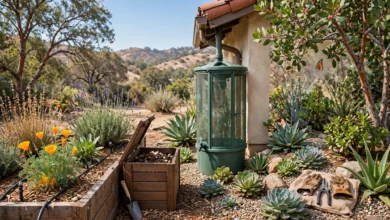
A water butt collects rainwater from guttering and downpipes, providing a free water source for the garden and reducing mains water use. This is a practical addition in both cities, though it fills more quickly in rainier Leeds than in drier London summers. The Met Office provides reliable regional rainfall data that can help with planning irrigation needs across different parts of the UK, available at metoffice.gov.uk.
Manage Pests and Urban Garden Challenges
Both cities face pest pressures, though the specifics can differ slightly based on density and green space availability.
Common Pests in Urban London Gardens
Aphids, slugs, and snails are common across London gardens, often worsened by the density of nearby green spaces providing constant pest populations nearby. Encouraging natural predators like ladybirds and birds through varied planting helps keep numbers manageable.
Pests and Wildlife in Leeds Gardens
Leeds gardens, particularly those bordering more open or rural areas, may also deal with rabbits and deer in addition to typical pests like slugs and aphids. Fencing or barrier netting around vulnerable vegetable beds can help protect crops from browsing wildlife.
Practical Maintenance Tips for Both Cities
A few consistent habits keep gardens in London and Leeds looking good through the seasons.
- Mulch beds in spring and autumn to retain moisture and suppress weeds.
- Prune deciduous shrubs during dormancy, typically late winter, for most species.
- Check drainage after heavy rain, particularly on London’s clay-heavy soil.
- Protect exposed plants with windbreaks in Leeds gardens facing open ground.
- Feed container plants regularly, since frequent watering washes nutrients out faster than in-ground beds.
- Clear fallen leaves in autumn to prevent smothering lawns and low-growing plants.
Conclusion
Gardening successfully in either London or Leeds comes down to recognising how differently these two cities actually behave, despite both falling under the same general UK climate. London’s warmer microclimate, heavier clay soil, and smaller garden footprints call for a different approach than Leeds’ cooler temperatures, greater wind exposure, and typically larger plots. Improving your soil, choosing plants suited to your specific city, timing your planting around local frost dates, and managing water sensibly will carry a garden through the seasons in either location. Whether you’re working with a compact London balcony or a spacious Leeds back garden, these region-aware tips give you a genuinely practical starting point rather than a one-size-fits-all approach that doesn’t quite fit either city.