20 Decoration Ideas That Instantly Refresh Any Room
Simple decoration ideas that refresh any room without a full remodel. Practical tips for lighting, textiles, walls, and furniture.
20 Decoration Ideas That Instantly Refresh Any Room
You don’t need a renovation budget to make a room feel new again. Most of the time, a space starts to feel tired not because anything is wrong with it, but because nothing has changed in years. The furniture is in the same spot, the walls are the same color, and the light hits the same corners it always has. That sameness is comfortable, but it’s also what makes a room feel flat.
These decoration ideas are built around small, affordable changes that make a real visual difference. Some take an afternoon. Others take twenty minutes and a trip to a store you already shop at. None of them require moving walls or hiring a contractor. What they do require is a willingness to look at your room with fresh eyes and ask what’s actually working and what’s just been sitting there out of habit.
Whether you’re decorating a rental you can’t paint, a living room that’s felt stale since last winter, or a bedroom that never quite came together, this list covers the fixes that give you the most visual payoff for the least effort. We’ll go through lighting, textiles, walls, furniture, and the small accessories that tie a room together. Pick a few that fit your space and your budget, and you’ll notice the difference before you’ve finished the last one.
Why Small Decoration Changes Make a Big Difference
A room doesn’t need a total overhaul to feel different. Interior designers rely on a concept sometimes called the 80/20 rule of decorating: about 20% of the elements in a room, usually the lighting, color, and a few key accessories, do 80% of the work in shaping how the space feels. That means you can leave your couch, your bed frame, and your dining table exactly where they are and still transform the room by adjusting the smaller layer sitting on top of it.
This is good news if you’re short on time, money, or both. It also means you can experiment without much risk. Swap a lampshade, move a mirror, or add a plant, and if it doesn’t work, you haven’t lost much. That low-stakes freedom is exactly what makes small decoration ideas worth trying before you commit to anything bigger.
Lighting Updates
Lighting shapes a room more than almost anything else in it. Two identical rooms with different lighting can feel completely different in mood, warmth, and size.
1. Swap Harsh Overhead Bulbs for Warm-Toned Ones
Bright white bulbs (anything above 3000K) tend to make a living space feel clinical. Switching to warm white bulbs in the 2700K to 3000K range instantly softens a room and makes it feel more like a place to relax rather than a place to work under.

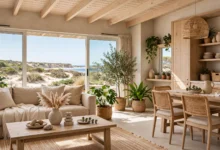
2. Add a Floor or Table Lamp to a Dark Corner
Every room has at least one corner that overhead lighting doesn’t reach well. A single lamp there breaks up flat lighting and adds depth, which is one of the fastest room decor upgrades you can make for under $50.
3. Layer Your Light Sources
Relying on one ceiling fixture makes a room feel one-dimensional. Combine ceiling light, a lamp, and even candles or string lights for a layered effect that feels more intentional and less like an office.
4. Use Dimmers Where You Can
A simple plug-in dimmer switch lets you shift a room’s mood from bright and functional to soft and relaxed in seconds. It’s a small investment that changes how a room feels at different times of day.
Textiles and Soft Furnishings
Fabric is one of the cheapest ways to change a room’s texture, color, and comfort level, and it’s fully reversible if your taste changes.
5. Add or Replace Throw Pillows
New pillow covers in a different color or pattern can shift a couch from neutral and forgettable to the visual anchor of the room. Stick to two or three coordinating patterns rather than one of everything, or the effect gets busy fast.
6. Layer a Textured Throw Blanket
Draped over the back of a sofa or the foot of a bed, a textured throw adds warmth and a sense of being lived-in. Chunky knits and boucle work especially well for this.
7. Update Your Curtains
Thin, dated curtains can make even a well-decorated room look unfinished. Floor-length curtains hung close to the ceiling (not just above the window frame) make ceilings look taller and windows look larger, a trick professional stagers use constantly.
8. Introduce an Area Rug
A rug defines a seating area, adds color underfoot, and softens hard flooring. In open-plan spaces, a rug is one of the simplest home decor ideas for visually separating a living area from a dining or work zone without adding a wall.
Wall and Ceiling Decoration Ideas
Walls take up more visual real estate than any other surface in a room, which makes them one of the highest-impact places to focus your decoration ideas.
9. Create a Gallery Wall
A cluster of framed prints, photos, or art doesn’t need to match perfectly. Keep a consistent frame color or a loose color theme and let the arrangement do the work. This is a favorite low-cost trick among interior designers for filling a large blank wall with personality.
10. Try a Peel-and-Stick Wallpaper Accent
For renters or anyone hesitant to commit to paint, removable wallpaper on a single wall adds pattern and color without permanence. It’s ideal for a bedroom headboard wall or a small powder room.
11. Hang a Statement Mirror
A large mirror bounces light around the room and makes the space feel bigger. Position it across from a window to reflect natural light, or use it as the focal point above a console table.
12. Add Floating Shelves
Shelves give you a place to style books, plants, and small objects at eye level, which draws attention upward and makes the room feel more curated. Keep the styling loose, a mix of heights and a little negative space looks more natural than a perfectly symmetrical arrangement.
Furniture Arrangement and Small Additions
You’d be surprised how much changes when you rethink how your existing furniture is arranged, before you even consider buying anything new.
13. Rearrange Your Furniture Layout
Simply angling a sofa, pulling furniture away from the walls, or creating a new conversation area can make a familiar room feel unfamiliar again. Try floating furniture away from walls to create a cozier layout, especially in larger rooms.
14. Add a Statement Chair
An accent chair in a bold color or interesting shape gives a room a focal point and extra seating at the same time. It doesn’t need to match the rest of your furniture exactly, a little contrast is what makes it interesting.
15. Bring in a Small Side Table
An inexpensive side table or stool adds a surface for drinks, books, or a lamp, and fills awkward gaps between furniture pieces that otherwise look unfinished.
16. Style Your Coffee Table
A coffee table with a tray, a stack of books, and a small plant or candle looks intentional rather than cluttered. This is one of the fastest decoration ideas to execute because it takes minutes and uses things you likely already own.
Accessories and Finishing Touches
The last layer of decorating is often the most fun, and it’s where a room really starts to reflect the people living in it.
17. Add Greenery
Live plants, or realistic faux ones if you don’t have a green thumb, bring color, texture, and a sense of life to a room that furniture alone can’t provide. Even one or two well-placed plants can soften a space considerably.
18. Swap Out Your Vases and Decorative Bowls
Small changes like a new vase shape or material (ceramic versus glass, matte versus glossy) update the look of a shelf or table without any real cost if you already have flowers or greenery on hand.
19. Introduce a New Scent
Candles, reed diffusers, or a simple room spray change how a space feels the moment you walk in. Scent is often overlooked in room decor, but it plays a real role in how welcoming a room feels.
20. Display Something Personal
A framed photo, a piece of pottery from a trip, or artwork made by someone you know gives a room a story. Rooms that are only styled from a catalog tend to feel generic; personal touches are what make a space feel like yours.
How to Choose the Right Decoration Ideas for Your Space
With twenty options in front of you, it helps to narrow things down rather than trying everything at once. A few questions can guide your choices:
- What’s your budget? Rearranging furniture and styling a coffee table cost nothing. New curtains or a rug cost more.
- Do you rent or own? Renters should lean toward reversible changes like peel-and-stick wallpaper, curtains, and lighting swaps rather than anything requiring paint or permanent fixtures.
- What’s the room’s main function? A home office benefits most from lighting and organization. A living room benefits most from textiles and layout.
- What bothers you most right now? Walk into the room and notice what your eye lands on first. That’s usually the place to start.
According to guidance from the National Association of Realtors, even modest cosmetic updates like fresh paint and updated fixtures consistently rank among the highest-return home improvements, which suggests that small decoration ideas aren’t just about how a room looks day to day, they can also support a home’s value over time. For more structured room-by-room planning, Better Homes & Gardens offers extensive design guides that pair well with the ideas above.
Quick Room Refresh Checklist
If you want to start today, here’s a simple order to work through:
- Declutter surfaces first, this alone changes how a room feels.
- Swap or add lighting where the room feels dim or flat.
- Rearrange existing furniture before buying anything new.
- Add one textile change, like pillows or a throw.
- Address the largest blank wall with art, a mirror, or shelves.
- Finish with small accessories: plants, a candle, a personal object.
Working in this order keeps you from overspending on accessories before you’ve solved bigger issues like layout or lighting.
Conclusion
Refreshing a room doesn’t require a full renovation or a big budget. The decoration ideas in this guide, from adjusting your lighting and swapping out textiles to rearranging furniture and adding a few personal touches, show that most of the impact comes from the smaller, easily changeable layers of a space rather than the big-ticket items. Start with one or two changes that address what bothers you most about the room, see how it feels, and build from there. A space that reflects a little more thought and a little more of your own personality will always feel more like home than one that’s simply been left alone.