Decoration Tips for Homes in Melbourne
Practical decoration tips for homes in Melbourne, covering heritage terraces, changeable weather, warm interiors, and local style.
Decoration Tips for Homes in Melbourne: 9 Essential Ideas You’ll Love
Melbourne has a reputation for weather that can’t make up its mind, and that reputation is well earned. A single day can move through sun, wind, rain, and a sudden cold snap without much warning, and that unpredictability genuinely shapes how people decorate their homes here. Add in a housing stock full of Victorian terraces, Edwardian weatherboards, and Art Deco apartment blocks, and Melbourne decorating becomes its own distinct exercise, different from the beachy, sun-forward styling you’d see further north.
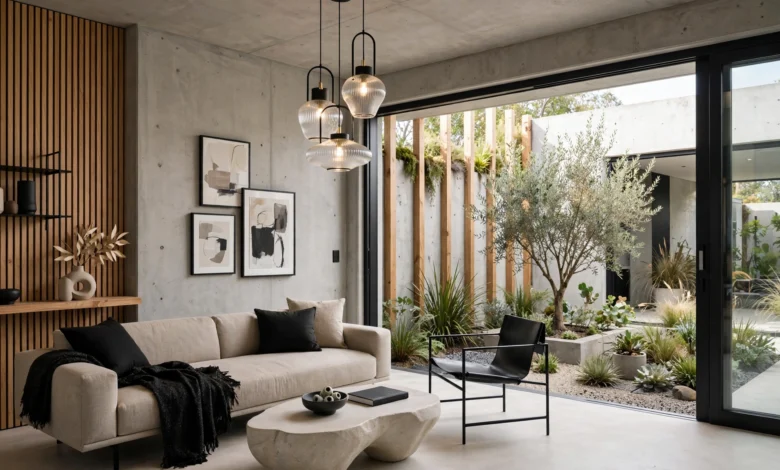
Good decoration tips for homes in Melbourne start with accepting the climate rather than fighting it. This is a city built for layering, layered clothing, layered lighting, layered textures, because homes need to feel comfortable across a genuinely wide temperature range within the same week, sometimes the same day. It’s also a city with a strong design and coffee culture identity, which shows up in how people approach their interiors, favouring considered, slightly moody spaces over bright, breezy ones.
In this article, we’ll cover practical, Melbourne-specific decorating advice, including how to work with the city’s abundant heritage housing stock, colour and material choices suited to a cooler, changeable climate, ways to bring warmth into a home through the colder months, and how to make the most of Melbourne’s laneway-and-courtyard culture even in a compact inner-city footprint. Whether you’re in a terrace in Fitzroy, a weatherboard in the Dandenong foothills, or a modern apartment near the Yarra, these tips are grounded in how Melbourne actually lives.
Understand Melbourne’s Climate Before You Decorate
Melbourne’s weather is famously changeable, and decorating decisions that ignore this tend to feel wrong for a good chunk of the year. Winters are genuinely cold and often grey, while summers can swing between mild and suddenly very hot within days.
Practical decoration tips for homes in Melbourne usually start with planning for both extremes rather than committing fully to one seasonal aesthetic.
Decorating for Cooler Months
- Choose heavier curtains or thermal linings, particularly in older homes with single-glazed windows
- Layer rugs over floorboards or tile to reduce heat loss and add warmth underfoot
- Add warm-toned lighting for the many months where daylight fades early
- Invest in a good heater as a genuine design feature, not something hidden in a corner
Decorating for Warmer Months
- Swap heavier textiles for lighter linen cushion covers and throws during summer
- Use ceiling fans or portable fans as a stylish, functional addition to living areas
- Choose breathable natural fibres for upholstery that won’t feel sticky on genuinely hot days
- Keep blinds or sheer curtains ready to filter strong afternoon sun when it does appear
Work With Melbourne’s Heritage Housing Stock
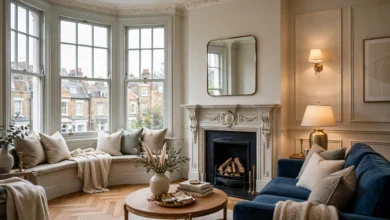
Melbourne has one of the largest concentrations of intact Victorian and Edwardian housing in Australia, particularly across the inner north and inner east. Suburbs like Fitzroy, Carlton, and Albert Park are full of terraces with ornate cast iron lacework, high ceilings, and decorative cornicing.
Restore Original Features Where Possible
- Keep original cast iron verandah lacework rather than removing it, restoring and repainting where needed
- Highlight ornate ceiling roses and cornicing with a lighter contrasting paint finish
- Retain original timber floorboards, sanding and refinishing rather than covering with carpet
- Preserve working fireplaces, even if used only decoratively, since they suit Melbourne’s cooler climate and heritage character particularly well
If your property falls within a heritage overlay, it’s worth checking guidance from Heritage Victoria before making structural or external changes, since requirements can differ significantly from standard renovation rules.
Mixing Heritage Character With Contemporary Style
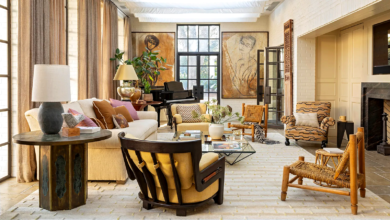
Melbourne’s design scene leans toward a considered mix of old and new rather than strict period authenticity. Pairing original architectural details with contemporary furniture, art, and lighting tends to feel more current and less like a museum piece.
Choose a Colour Palette Suited to Melbourne’s Light
Melbourne’s light is softer and greyer than in more consistently sunny Australian cities, and colour choices benefit from working with that quality rather than assuming bright, sun-drenched conditions year-round.
- Warm neutrals like soft taupe, warm grey, and muted sand tend to hold up better across Melbourne’s changeable light than stark white
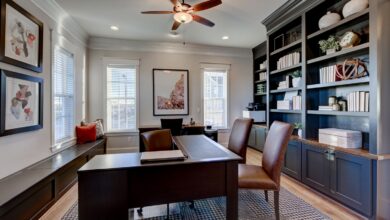
- Deep, moody tones like charcoal, forest green, and navy suit Melbourne’s design sensibility particularly well, especially in smaller rooms like studies or powder rooms
- Off-white and warm white generally read better than cool white under Melbourne’s frequently overcast skies
- Testing paint samples on your actual walls, across a full day, matters more here than in brighter climates, since light quality shifts noticeably between a bright morning and a grey afternoon
Decoration tips for homes in Melbourne built around colour should also consider the strong local appetite for slightly darker, more atmospheric interiors, a look that’s become closely associated with the city’s cafe and laneway culture.
Bring Warmth Into the Home Through Texture and Layering
Given how much of the year leans cooler, texture plays an outsized role in making Melbourne homes feel genuinely comfortable rather than just visually styled.
Layered Textiles
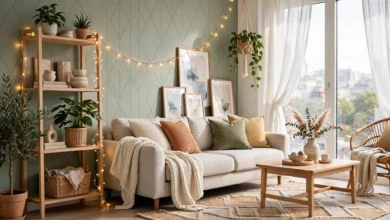
- Use chunky knit or wool throws on sofas and beds, particularly through autumn and winter
- Layer rugs, a smaller textured piece over a larger flat-weave base, for both warmth and visual depth
- Choose velvet or heavy linen upholstery for a softer, more insulated feel in living areas
- Add cushions in a mix of textures, boucle, wool, and linen work particularly well together
Warm Lighting for Shorter Days
Melbourne’s winter daylight hours are notably short, which makes layered, warm lighting especially important for maintaining a comfortable atmosphere indoors.
- Ambient lighting: pendant lights or floor lamps for general illumination
- Task lighting: reading lamps and kitchen under-cabinet lighting
- Accent lighting: wall sconces or picture lights to highlight artwork and heritage features
Warmer bulb temperatures, generally around 2700K, suit Melbourne interiors particularly well through the colder months.
Embrace Melbourne’s Laneway and Cafe Culture Aesthetic
Melbourne’s identity as a design and coffee capital genuinely influences local interior trends, favouring considered, slightly industrial, gallery-like spaces over more polished, formal styling.
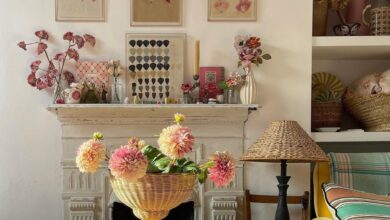
- Display art in a loose, gallery-style arrangement rather than perfectly matched frames
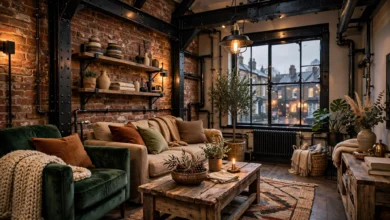
- Use exposed brick or timber where it exists, rather than covering it, echoing the laneway aesthetic found across the CBD
- Add a small dedicated coffee station or bar cart, reflecting the city’s genuine cafe culture
- Choose matte black or brushed brass fixtures for a slightly moodier, more considered finish
Make the Most of Courtyards and Small Outdoor Spaces
Many Melbourne homes, particularly inner-city terraces, come with compact courtyards rather than large gardens. Styling these spaces well extends usable living area, even in a small footprint.
- Use vertical planting, wall-mounted planters or trellises, to maximise greenery in a tight courtyard
- Choose weather-resistant furniture that can handle Melbourne’s changeable conditions without needing to be moved indoors constantly
- Add outdoor heating, like a freestanding heater, to make courtyards usable through cooler months
- Include a mix of potted natives and hardier ornamental plants suited to Melbourne’s temperate climate
Decorating Apartments and Art Deco Buildings
Beyond its terraces, Melbourne also has a significant number of Art Deco apartment blocks, particularly across St Kilda, Elwood, and parts of the inner city, along with a growing stock of modern high-rise apartments.
Respecting Art Deco Character
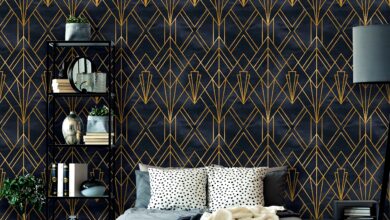
- Keep original geometric detailing, curved archways, and decorative plasterwork where it exists
- Choose furniture with clean, curved lines that complements rather than clashes with Art Deco architecture
- Use warm brass or bronze fixtures, which suit the period aesthetic particularly well
- Add bold, graphic art or textiles as an accent, echoing the geometric patterns common to the era
Styling Modern High-Rise Apartments
- Prioritise warm lighting and textiles to soften what can otherwise feel like a cool, minimal shell
- Use rugs to add warmth and definition to open-plan living spaces
- Add greenery to compensate for limited access to a private garden
- Choose furniture that suits the compact footprint typical of newer Melbourne apartment developments
Sustainable Decorating Choices for Melbourne’s Climate
Sustainability is a growing consideration for many Melbourne homeowners, both for environmental reasons and for genuine comfort benefits given the city’s cooler climate.
- Choose low-VOC paints for better indoor air quality, particularly relevant in older homes with less ventilation
- Add thermal curtain linings and draught-proofing to reduce heating costs through winter
- Select FSC-certified timber furniture over cheaper composite alternatives
- Use rugs and layered textiles to reduce reliance on heating, keeping rooms comfortable without excessive energy use
Sustainability Victoria offers practical guidance on improving home energy efficiency, which is a useful resource for Melbourne homeowners looking to combine comfort-focused decorating with genuine energy savings.
Room-by-Room Quick Reference for Melbourne Homes
- Living room: layered lighting, warm neutral or deep accent colours, a substantial rug, heavier curtains for winter
- Kitchen: warm task lighting, light-reflective surfaces to counter grey daylight, open shelving for a lighter feel
- Bedroom: thermal curtains, wool or linen bedding, warm-toned lighting for shorter winter days
- Courtyard or balcony: vertical greenery, weather-resistant furniture, outdoor heating for cooler evenings
- Living/dining crossover spaces: a considered mix of heritage character and contemporary furniture, gallery-style art display
Final Thoughts on Decorating a Melbourne Home Well
Homes that feel genuinely well decorated across Melbourne tend to share a few consistent qualities: they respect the city’s strong heritage housing stock, they layer texture and lighting to handle a genuinely changeable climate, and they draw at least a little inspiration from Melbourne’s design-forward laneway and cafe culture. Rather than importing a single national style, the most successful Melbourne interiors feel specifically suited to this city’s particular mix of weather, architecture, and character.
Conclusion
Decorating a home well in Melbourne comes down to working with the city’s distinct climate and housing character rather than against them, layering textures and lighting for changeable weather, restoring and respecting original heritage features, and choosing a colour palette suited to the city’s softer, greyer light. Whether you’re in a Victorian terrace in the inner north, an Art Deco apartment near the bay, or a modern build further out, these decoration tips for homes in Melbourne are grounded in what genuinely suits the city, comfortable, considered interiors that hold up across a genuinely unpredictable climate and reflect Melbourne’s strong design identity.