Home Builder Guide for Building a Sustainable Home
This home builder guide covers energy efficiency, materials, and certifications to help you plan a sustainable home with confidence.
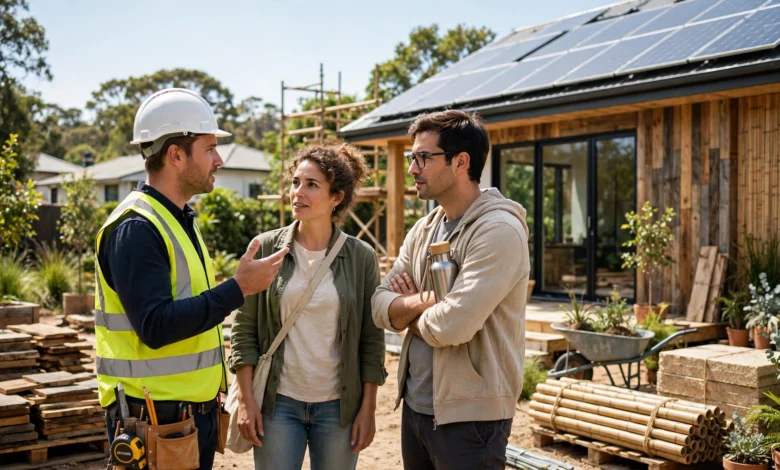
Home Builder Guide for Building a Sustainable Home: 7 Essential Steps for a Successful Green Build
A solid home builder guide for sustainable construction starts long before the first shovel hits the ground. Building a genuinely sustainable home involves far more than adding solar panels after the fact or picking bamboo flooring because it sounds eco-friendly. It requires thinking through site orientation, insulation strategy, material sourcing, and energy systems as a connected whole, ideally with your builder involved in those conversations from day one rather than brought in after the design is already locked.
This guide walks through the practical, decision-by-decision process of building a sustainable home, covering everything from choosing a builder with genuine green building experience to understanding certifications like LEED and ENERGY STAR, selecting energy-efficient systems, and sourcing responsible materials. We’ll also cover water conservation strategies, indoor air quality considerations, and how to budget realistically for sustainable features so you can prioritize the upgrades that offer the best long-term value.
Whether you’re aiming for a fully certified green home or simply want to reduce your environmental footprint and long-term utility costs, the fundamentals stay the same. Good sustainable building isn’t about chasing trends, it’s about making informed, connected decisions that reduce energy use, protect resources, and create a healthier home to live in. Let’s walk through what that actually looks like in practice, step by step, so you can approach your build with a clear plan instead of a scattered list of green features.
Why Sustainable Home Building Requires Planning From Day One
Sustainability works best when it’s built into the foundation of a project’s design, not layered on top of a conventional plan after the fact. A knowledgeable home builder guide will always emphasize that decisions made in the earliest planning stages, like site orientation and building envelope design, often have a bigger long-term impact than any single green product you add later.
Site Orientation and Passive Design
Where your home sits on the lot, and how it’s oriented relative to the sun, affects heating and cooling needs for the entire life of the home. Passive design principles take advantage of natural light and airflow to reduce reliance on mechanical heating and cooling.
- Orient main living spaces to capture natural light without excessive summer heat gain
- Use roof overhangs and window placement to manage seasonal sun angles
- Position windows to encourage natural cross-ventilation where climate allows
Building Envelope Efficiency
The building envelope, meaning the walls, roof, windows, and foundation that separate indoor and outdoor environments, is one of the most important factors in a home’s overall energy performance. A tightly sealed, well-insulated envelope reduces the workload on your heating and cooling systems significantly, often more than upgrading to expensive high-efficiency equipment alone would achieve.
1. Choose a Home Builder With Genuine Green Building Experience
Not every builder who says they can do a “green build” actually has deep experience with sustainable construction methods. This is one of the most important steps in any credible home builder guide focused on sustainability.
Ask About Specific Past Projects
Request examples of homes the builder has completed with sustainability as a primary goal, not just a marketing point. Ask specifically:
- What certifications, if any, have their previous sustainable builds achieved?
- What energy modeling or performance testing did they use during construction?
- Which subcontractors do they regularly work with for insulation, HVAC, and building envelope work?
Look for Relevant Certifications and Training
Builders with credentials like a Certified Green Professional designation through the National Association of Home Builders, or experience with ENERGY STAR certified homes, generally bring a more rigorous, systems-based approach to sustainable construction rather than treating it as an afterthought.
2. Understand Green Building Certifications Before You Start
Certifications provide a useful framework for sustainable building, even if you don’t ultimately pursue formal certification. Understanding the standards helps you make informed decisions throughout the process.
LEED Certification
The Leadership in Energy and Environmental Design, or LEED, program is one of the most widely recognized green building certification systems in the world, covering categories like energy use, water efficiency, materials, and indoor environmental quality. The U.S. Green Building Council provides detailed information on residential LEED requirements and the certification process, which is a useful reference even if you’re not pursuing certification directly. You can learn more at usgbc.org.
ENERGY STAR Certified Homes
The ENERGY STAR program, run by the U.S. Environmental Protection Agency, certifies homes that meet specific energy efficiency guidelines verified through third-party inspection and testing. This certification focuses heavily on the building envelope, HVAC efficiency, and overall energy performance, making it a practical benchmark for homeowners prioritizing lower utility costs.
Passive House Standard
The Passive House standard is one of the most rigorous voluntary energy efficiency standards available, focusing on extremely tight building envelopes, high-performance windows, and minimal heating and cooling loads. It’s a demanding standard, but homes built to this level typically see dramatic reductions in energy use compared to conventional construction.
3. Prioritize Energy-Efficient Systems and Materials
Once your building envelope is well designed, the systems and materials you choose determine how efficiently your home actually operates day to day.
High-Efficiency HVAC Systems
Heating and cooling typically represent the largest share of a home’s energy use. Options worth discussing with your builder include:
- Heat pump systems, which have become significantly more efficient in recent years, even in colder climates
- Properly sized HVAC equipment, since oversized systems waste energy and perform inconsistently
- Zoned systems that allow different areas of the home to be heated or cooled independently
Energy-Efficient Windows and Doors
Windows are often one of the weakest points in a home’s thermal performance. Look for options with strong insulating properties suited to your climate, including low-emissivity coatings and multiple glazing layers, which significantly reduce heat transfer in both hot and cold conditions.
Solar Power and Renewable Energy Options
Solar panel systems have become considerably more affordable and efficient over the past decade. Discuss with your builder whether your roof design and orientation can support solar early in the planning process, even if you don’t install panels immediately, since this avoids costly retrofitting later.
4. Choose Sustainable and Responsibly Sourced Materials
Material choices affect both the environmental footprint of your build and the long-term durability and health of your home.
Look for Recycled and Reclaimed Materials
Materials like reclaimed wood, recycled steel, and recycled-content insulation reduce demand for new raw materials while often adding character and durability to your home.
Choose Locally Sourced Materials When Possible
Sourcing materials closer to your build site reduces transportation-related emissions and often supports local economies. Ask your builder which materials, like lumber, stone, or brick, can realistically be sourced regionally without compromising quality or budget.
Select Low-VOC and Non-Toxic Finishes
Paints, adhesives, and finishes with high volatile organic compound content can significantly affect indoor air quality. Choosing low-VOC or zero-VOC options protects both the environment and your family’s health inside the finished home.
5. Plan for Water Conservation From the Start
Water efficiency is a core component of sustainable building that’s sometimes overlooked in favor of energy-focused upgrades, but it offers meaningful long-term savings and environmental benefit.
- Install low-flow fixtures for faucets, showerheads, and toilets
- Consider a rainwater harvesting system for irrigation, where local regulations allow
- Design landscaping around native, drought-tolerant plants that require minimal supplemental watering
- Discuss greywater recycling systems with your builder if your local codes support them
6. Focus on Indoor Air Quality and Ventilation
A tightly sealed, energy-efficient home requires thoughtful ventilation to maintain healthy indoor air quality, since reduced air leakage also means reduced natural air exchange with the outdoors.
Mechanical Ventilation Systems
Energy recovery ventilators or heat recovery ventilators bring in fresh outdoor air while minimizing energy loss, making them a smart addition to tightly sealed, energy-efficient homes.
Material Choices That Support Air Quality
Beyond low-VOC finishes, consider flooring, cabinetry, and insulation materials that don’t off-gas harmful chemicals over time. Your builder should be able to recommend options that balance sustainability, cost, and indoor air quality.
7. Budget Realistically for Sustainable Features
Sustainable building features often come with a higher upfront cost, but many pay for themselves over time through reduced utility bills and maintenance costs. A thoughtful home builder guide approach to budgeting means prioritizing the upgrades with the strongest long-term return.
Prioritize High-Impact, Long-Term Investments
Focus your budget first on elements that affect the home’s overall performance for decades, such as:
- A well-insulated, properly sealed building envelope
- High-efficiency windows and doors
- A right-sized, efficient HVAC system
These foundational elements typically offer better long-term value than smaller, more visible green features.
Research Available Incentives and Rebates
Many states and utility companies offer rebates or tax incentives for energy-efficient upgrades, solar installations, and certified green homes. Ask your builder whether they’re familiar with current incentive programs in your area, since these can meaningfully offset upfront costs.
Get Detailed, Itemized Quotes
When comparing builders or subcontractors for sustainable features, request itemized quotes rather than lump-sum estimates. This makes it easier to compare the actual materials and systems being proposed, rather than just comparing bottom-line pricing.
Common Mistakes to Avoid When Building a Sustainable Home
Even homeowners with good intentions sometimes make choices that undercut their sustainability goals.
- Focusing only on visible features. Solar panels and bamboo flooring look impressive, but a poorly insulated envelope can undermine their impact significantly.
- Skipping energy modeling. Energy modeling software helps predict how design choices will affect performance before construction begins, allowing adjustments while they’re still inexpensive to make.
- Oversizing the home. A larger home requires more materials and energy to heat, cool, and maintain, regardless of how efficient its individual systems are.
- Choosing materials based on marketing claims alone. Look for verified certifications and third-party testing rather than general “eco-friendly” labeling, which isn’t always regulated or meaningful.
Final Thoughts on Building a Sustainable Home
Building a genuinely sustainable home comes down to thoughtful, connected decisions made from the earliest planning stages through final material selections. A knowledgeable builder who understands passive design, building envelope performance, and responsible material sourcing will help you avoid the common mistake of treating sustainability as a checklist of add-ons rather than an integrated approach. By prioritizing high-impact investments like insulation and efficient systems, researching available incentives, and staying informed about certifications like LEED and ENERGY STAR, you can build a home that reduces its environmental footprint while also lowering long-term costs and improving indoor comfort and air quality. With the right planning and the right builder, a sustainable home isn’t just an idealistic goal, it’s a practical, achievable investment in both your household and the environment.