Landscape Designer Guide for Homeowners in New South Wales
Landscape designer guide for NSW homeowners covering costs, hiring tips, council rules, and plant choices suited to local climate zones.
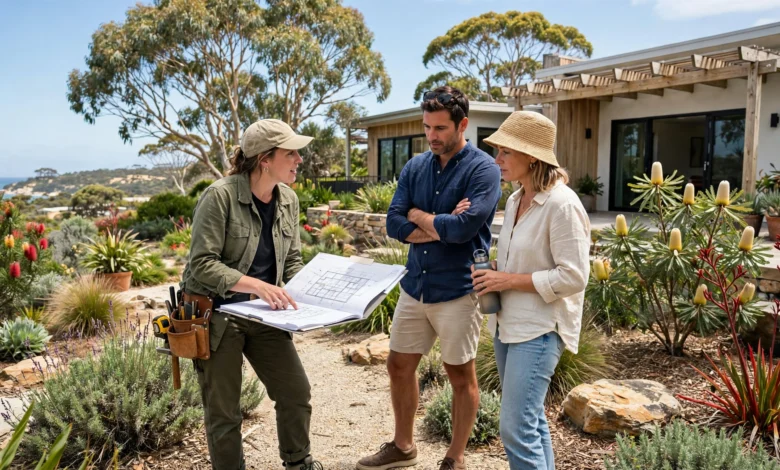
Landscape Designer Guide: 7 Proven Tips to Avoid Costly Mistakes in New South Wales (2026)
Introduction
Hiring a landscape designer in New South Wales isn’t quite the same process as hiring one anywhere else in Australia. Between local council regulations, water restrictions, bushfire zones, and a climate that ranges from coastal humidity in Sydney to cooler conditions in the Southern Highlands, homeowners here have a unique set of factors to work through before breaking ground on a garden or outdoor renovation.
Whether you’re planning a full backyard transformation, adding a pool surround, or simply want a low-maintenance native garden that survives the summer heat, choosing the right designer makes a real difference in how the project turns out and what it ends up costing. Many homeowners jump straight into hiring based on price alone, only to discover halfway through that their contractor didn’t account for local council approval, drainage requirements, or plant species suited to their specific microclimate.
This guide walks through everything a NSW homeowner needs to know before hiring a landscape designer, including what qualifications to look for, how much to budget, what council rules might apply to your project, and which plants actually thrive in this state’s varied conditions. By the end, you’ll have a clear framework for finding a designer who fits your property, your budget, and your local regulations, without the guesswork that trips up so many first-time renovators.
What Does a Landscape Designer Actually Do?
A landscape designer creates the overall plan for an outdoor space, covering everything from garden layout and plant selection to hardscaping features like patios, retaining walls, and water features. This is different from a landscaper or gardener, who typically handles the physical construction and planting based on a design (sometimes their own, sometimes one provided by a separate designer).
In NSW, the term “landscape designer” isn’t as tightly regulated as “landscape architect,” which is a protected title requiring formal qualifications and registration. This distinction matters more than most homeowners realize, and we’ll cover it in more detail below.
A typical landscape designer’s scope of work includes:
- Site analysis (soil type, drainage, sun exposure, slope)
- Concept drawings and 3D renderings
- Plant selection suited to your region’s climate zone
- Material and hardscape recommendations
- Liaising with council on approvals, where required
- Coordinating with builders, irrigation specialists, or pool companies
Landscape Designer vs. Landscape Architect: What’s the Difference?
This is one of the most common points of confusion for NSW homeowners, and it’s worth getting straight before you start reaching out to professionals.
Landscape Architect
A landscape architect has completed a university-accredited degree and is registered with a professional body. In Australia, this typically means membership with the Australian Institute of Landscape Architects (AILA), which sets standards for education, ethics, and ongoing professional development. Landscape architects are trained in complex site planning, stormwater management, and large-scale projects, and they’re often required for commercial developments, public spaces, or projects that need council-level environmental assessments.
Landscape Designer
A landscape designer may have formal horticultural or design training, but the title itself isn’t legally protected the way “architect” is. Many landscape designers are highly skilled and experienced, particularly for residential projects, but the lack of formal registration means it’s worth checking a designer’s portfolio, qualifications, and client reviews carefully before signing a contract.
Which one do you need?
- Small to mid-size residential gardens: a landscape designer is usually sufficient and more affordable
- Large properties, steep sites, or projects near waterways: consider a landscape architect
- Projects requiring council development applications: a landscape architect’s stamped drawings may be necessary
How Much Does a Landscape Designer Cost in NSW?
Pricing for a landscape designer in NSW varies by region, project size, and the designer’s experience level. Sydney metro pricing tends to run higher than regional NSW due to higher overhead and demand.
Typical Fee Structures
- Flat design fee – Common for smaller residential jobs, generally $500 to $3,500 depending on scope.
- Hourly rate – Ranges from $80 to $180 per hour for experienced designers in metro areas.
- Percentage of construction cost – Often 8-15% for larger projects, particularly when a landscape architect is managing the full build.
- Per square metre – Some designers charge $10 to $40 per square metre of garden space for the design phase alone.
Rough Project Cost Ranges
- Small courtyard or front garden refresh: $2,000 to $8,000
- Mid-size backyard renovation: $8,000 to $30,000
- Full property landscape with pool, decking, and hardscaping: $30,000 to $150,000+
Keep in mind these figures cover design and installation combined. Getting a design-only quote separate from construction can help you compare like for like when shopping around.
Council Regulations Every NSW Homeowner Should Know
One of the biggest differences between landscaping in NSW versus other states is the layer of local council and state government regulation that can apply, depending on what you’re building and where your property sits.
Development Applications (DAs)
Not every landscaping project needs council approval, but several common features do, including:
- Retaining walls over a certain height (varies by council, often 600mm to 1 metre)
- Pools and pool fencing
- Structures like pergolas or cabanas over a specified size
- Significant tree removal, particularly for trees protected under local tree preservation orders
Checking with your local council or the NSW Government’s planning portal before finalizing a design saves you from costly redesigns later if your plan doesn’t meet approval requirements.
Bushfire Prone Land
If your property sits in a designated bushfire zone, which covers large parts of regional NSW and even some outer Sydney suburbs, your landscape design may need to comply with Planning for Bush Fire Protection guidelines. This can affect plant selection, mulch types, and the placement of combustible materials near structures.
Water Restrictions
NSW periodically enforces water restrictions during drought conditions, which affects irrigation planning. A good designer will build in water-efficient irrigation systems and drought-tolerant plant selections from the outset, rather than treating water restrictions as an afterthought.
Choosing Plants Suited to NSW’s Climate Zones
NSW spans several distinct climate zones, and plant selection needs to reflect where your property actually sits, not a generic “Australian garden” template.
Coastal Sydney and Surrounds
Humid summers and mild winters suit plants like:
- Lomandra and native grasses
- Coastal banksias
- Frangipani and other tropical-leaning ornamentals
- Salt-tolerant species for beachside properties
Western Sydney and Inland NSW
Hotter, drier summers call for more drought-resistant choices:
- Grevilleas
- Kangaroo paw
- Native rosemary
- Succulents and low-water groundcovers
Southern Highlands and Tablelands
Cooler climates with occasional frost support:
- Deciduous trees like Japanese maples
- Hydrangeas
- Cool-climate perennials
- Hardy native shrubs bred for frost tolerance
A designer familiar with your specific region will know which plants actually survive long-term versus which ones look good in a nursery but struggle once planted.
How to Choose the Right Landscape Designer
Finding a good fit isn’t just about picking the cheapest quote or the flashiest portfolio. Here’s a practical approach:
- Check qualifications and affiliations. Membership with AILA or a horticultural association is a good sign of ongoing professional standards.
- Review past projects in your region. A designer with experience in your specific climate zone and council area will anticipate issues before they become expensive problems.
- Ask about council experience. If your project needs a DA, confirm the designer has handled approvals with your local council before.
- Get itemized quotes. A vague lump-sum quote makes it hard to know what you’re actually paying for. Ask for a breakdown of design fees versus installation costs.
- Read reviews and ask for references. Speaking directly with past clients gives you a clearer sense of communication style and reliability than online reviews alone.
- Confirm insurance and licensing. Any landscaper doing structural or electrical work (retaining walls, lighting, irrigation) should carry appropriate insurance and, where required, hold a NSW Fair Trading licence.
Common Mistakes NSW Homeowners Make When Hiring a Designer
Avoiding these pitfalls can save significant time, money, and frustration:
- Skipping council checks. Assuming a project doesn’t need approval, only to be told mid-build that it does.
- Choosing plants without considering soil type. Clay-heavy soils common in parts of Western Sydney require different amendments than sandy coastal soils.
- Underestimating maintenance needs. A stunning design with high-maintenance plants can become a burden once the designer moves on to the next project.
- Not budgeting for irrigation. Especially in drier inland regions, skipping proper irrigation planning often leads to plant loss and costly replanting.
- Ignoring drainage. Poor drainage design is one of the most common (and expensive) issues to fix after the fact, particularly on sloped properties.
Questions to Ask Before Signing a Contract
Before committing to any landscape designer, it’s worth going through a short checklist of questions:
- What’s included in the design fee, and what costs extra?
- Do you handle council submissions, or is that a separate cost?
- What’s your experience with properties in my specific area or climate zone?
- Can you provide references from at least two recent NSW projects?
- What’s the expected timeline from design approval to project completion?
- How do you handle plant warranties if something doesn’t survive?
Getting clear answers to these questions upfront tends to prevent most of the disputes that come up later in a project.
Conclusion
Finding the right landscape designer in New South Wales comes down to understanding a few region-specific factors that don’t apply everywhere else in the country, including council development rules, bushfire zone requirements, and the wide variation in climate across the state. Knowing the difference between a landscape designer and a landscape architect, budgeting realistically based on typical NSW pricing, and choosing plants suited to your specific microclimate all play a role in getting a result that lasts. Take the time to check qualifications, ask the right questions, and get itemized quotes before signing anything, and you’ll be in a much stronger position to end up with a garden that actually works for your property and your budget.