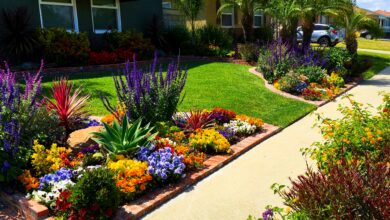
15 Landscape Design Ideas That Boost Curb Appeal
15 landscape design ideas that boost curb appeal, from budget-friendly fixes to bigger upgrades that raise real home value.
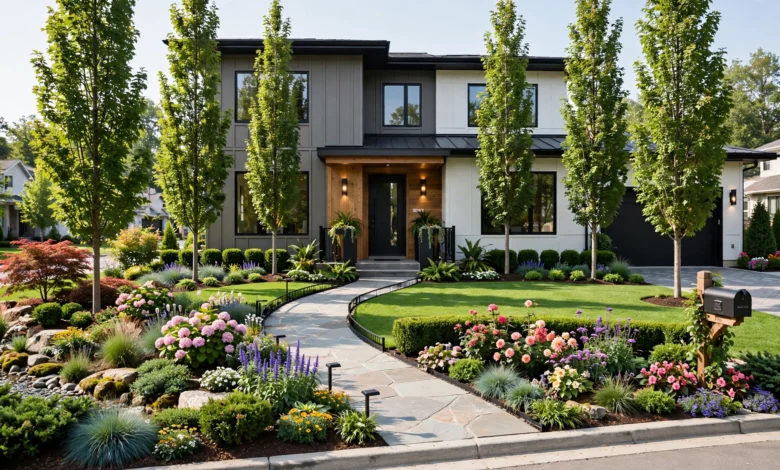
15 Stunning Landscape Design Ideas That Boost Curb Appeal
Introduction
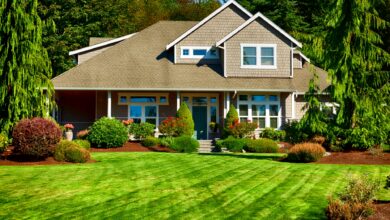
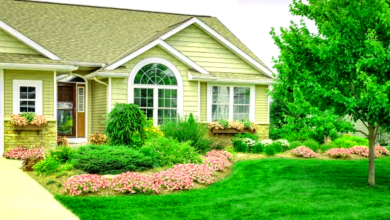
Landscape design ideas that boost curb appeal are worth paying attention to whether you’re planning to sell soon or simply want to enjoy coming home to a yard that looks cared for. Curb appeal isn’t about flashy, expensive additions. It’s about the small, consistent details that make a house look intentional from the street: a healthy lawn, well-defined planting beds, a walkway that actually leads somewhere logical, and lighting that makes the front of the house feel welcoming after dark.
Real estate data backs this up too. Homes with strong curb appeal tend to sell faster and often for more, since first impressions shape how buyers judge the rest of the property before they’ve even walked through the front door. But curb appeal matters even if selling isn’t on your mind. A well-designed front yard adds daily enjoyment, and it’s one of the more visible ways landscaping investment actually pays off.
This article walks through fifteen practical landscape design ideas that consistently improve curb appeal, ranging from quick weekend projects to larger investments worth planning for. Each one includes specific guidance on execution, so you can pick the ideas that fit your budget, your climate, and the style of your home.
1. Define Clean, Sharp Bed Edges
One of the fastest ways to make a yard look more polished costs almost nothing: cleanly edged planting beds. Blurry, overgrown edges between lawn and beds read as neglected, even if the plants themselves look fine.
- Use a half-moon edger or edging tool to cut a clean, defined line
- Consider physical edging materials like steel, stone, or brick for a more permanent, crisp boundary
- Re-edge at least once or twice a season, since grass and mulch shift over time
2. Upgrade the Front Walkway
A cracked, narrow, or awkwardly placed front walkway undercuts even a beautifully planted yard. Landscape design that improves curb appeal often starts with fixing how people actually approach the house.
Walkway Improvement Options
- Widen a narrow path to at least four feet, which reads as more welcoming and accommodates two people walking side by side
- Replace cracked concrete with pavers, natural stone, or stamped concrete for a more finished look
- Add low lighting along the path edges for both safety and visual interest after dark
3. Add Layered Planting Beds
Flat, single-height planting beds look less intentional than beds with visible layers of height and texture.
How to Layer a Bed Effectively
- Place taller shrubs or small trees toward the back or center of the bed
- Add mid-height perennials or ornamental grasses in the middle layer
- Finish with low groundcover or edging plants at the front
This layered approach creates depth and makes even a modest bed look considered rather than thrown together.
4. Frame the Entryway With Symmetry
Matching planters, matching shrubs, or a pair of small trees flanking the front door creates an immediate sense of balance and intention, which reads well from the street.
- Use identical planters on either side of the entry for an easy symmetrical effect
- Choose evergreen shrubs for year-round structure rather than seasonal plants that disappear in winter
- Keep the scale proportional to the door and entryway, since oversized planters can overwhelm a smaller entrance
5. Install Outdoor Lighting
A yard that looks great in daylight but disappears after sunset is missing a significant part of its curb appeal potential, especially since many people arrive home after dark for much of the year.
Lighting Elements Worth Adding
- Path lighting: low fixtures along walkways for safety and subtle definition
- Uplighting: spotlights aimed at trees or architectural features for dramatic effect
- Porch and entry lighting: fixtures that match the home’s architectural style
- Solar options: a lower-cost, no-wiring-required way to add basic path lighting
6. Refresh or Replace Mulch
Faded, thin, or weedy mulch is one of the more common reasons a yard looks tired even when the plants themselves are healthy.
- Refresh mulch at least once a year, ideally in spring
- Keep mulch layers to about two to three inches, since piling it too deep can suffocate plant roots
- Choose a mulch color and type that complements the home’s exterior rather than clashing with it
7. Add a Focal Point
A yard without a clear focal point can feel visually flat, even with plenty of individual plants and features.
Focal Point Ideas
- A specimen tree with interesting bark, form, or seasonal color
- A well-placed sculpture, birdbath, or large planter
- A small water feature near the entry
- A distinctive front door color that draws the eye and anchors the whole composition
8. Maintain a Healthy, Well-Edged Lawn
Lawn condition has an outsized effect on how a whole property reads from the street, even when the rest of the landscaping is well designed.
- Mow at a consistent height suited to your grass type, since cutting too short stresses the lawn
- Edge along walkways and driveways for a crisp, defined line
- Address bare patches or weed issues promptly rather than letting them spread
- Consider a professional soil test if the lawn consistently struggles despite regular care
9. Choose Plants Suited to Your Climate
Curb appeal depends heavily on plants that actually thrive in local conditions rather than struggling and looking stressed for most of the year.
- Research your USDA hardiness zone before selecting new plants
- Prioritize native or well-adapted species, which typically require less water and maintenance
- Group plants with similar water and sunlight needs together to simplify care
The U.S. Environmental Protection Agency offers practical guidance on selecting climate-appropriate plants that reduce water use while still looking full and healthy.
10. Add Seasonal Color Strategically
Rotating seasonal color keeps a front yard feeling fresh throughout the year rather than static.
Ways to Add Seasonal Interest
- Plant spring bulbs like daffodils or tulips for early-season color
- Use annuals in planters for easy seasonal swaps without disturbing permanent beds
- Choose shrubs with interesting fall foliage or winter berries for cold-weather interest
- Layer bloom times so something is flowering across most of the growing season
11. Upgrade or Repaint the Mailbox and House Numbers
Small details like a faded mailbox or hard-to-read house numbers quietly undercut an otherwise well-maintained yard.
- Repaint or replace a worn mailbox to match the home’s exterior colors
- Choose clear, appropriately sized house numbers visible from the street
- Add a small planting bed or lighting around the mailbox post for a more finished look
12. Add a Low Retaining Wall or Raised Bed
For yards with any slope or grade change, a low retaining wall or raised planting bed adds both function and visual structure.
- Use materials that complement the home’s exterior, such as matching brick or natural stone
- Keep wall heights modest for front-yard applications, both for cost and to avoid overwhelming the space
- Use raised beds to create planting opportunities in areas with poor native soil
13. Incorporate Hardscaping for Structure
Hardscape elements like low walls, defined patios, or structured pathways give a yard a sense of permanence and intentional design that plants alone can’t always achieve.
- Choose materials that echo something already present on the home, such as matching brick or stone
- Keep hardscape proportional to the size of the yard, since oversized features can overwhelm a smaller front space
- Balance hardscape with adequate planting so the yard doesn’t feel overly paved or stark
14. Add a Charming Front Porch or Entry Feature
Even without a full porch renovation, small entry upgrades add noticeable curb appeal.
- Add a bench, rocking chairs, or a small seating area if space allows
- Incorporate hanging planters or window boxes for additional greenery at eye level
- Use a doormat and small decorative touches that suit the home’s overall style
15. Keep Everything Well-Maintained Year-Round
Even the best landscape design ideas lose their impact without consistent upkeep. Curb appeal is as much about maintenance as it is about the initial design.
A Simple Seasonal Maintenance Checklist
- Prune shrubs and trees during their appropriate dormant or post-bloom season
- Refresh mulch annually and address bare or thin lawn areas promptly
- Clean walkways, gutters, and hardscape surfaces regularly
- Check outdoor lighting fixtures seasonally to replace bulbs or repair wiring
- Reassess planting beds each year for plants that have outgrown their space or declined in health
Real estate research consistently shows that maintained landscaping affects buyer perception significantly. According to reporting from the National Association of Realtors, landscaping and curb appeal improvements are among the home upgrades most likely to be noticed and valued by buyers, which reinforces why ongoing maintenance matters just as much as the initial design choices.
Common Curb Appeal Mistakes to Avoid
- Overcrowding beds with too many plant varieties, which can look chaotic rather than intentional
- Ignoring proportion between the size of the house and the scale of front-yard features
- Skipping lighting entirely, which leaves a well-designed yard invisible after dark
- Letting maintenance slip after the initial installation, undoing months of design work within a season or two
Conclusion
Strong landscape design ideas that boost curb appeal don’t require a complete front-yard overhaul to make a real difference. Clean bed edges, a well-planned walkway, layered planting, thoughtful lighting, and consistent maintenance go a long way toward making a home look cared for and inviting from the street. Whether you tackle a few small updates in a weekend or plan a larger renovation over a season, the fifteen ideas covered here offer a practical starting point for any home, in any climate, looking to make a stronger first impression.