Gardening Ideas for Homeowners in Colorado
gardening ideas for homeowners in Colorado, Colorado gardening, Colorado clay soil, xeriscaping Colorado, native plants Colorado, drought-tolerant plants Colorado, high altitude gardening, water-wise gardening Colorado, Colorado vegetable gardening, Front Range gardening
Gardening Ideas for Homeowners in Colorado: 10 Powerful Tips for a Thriving Garden
Colorado is one of the more demanding places in the country to keep a garden alive, and anyone who’s gardened here for more than a season already knows why. The sun is intense at altitude, humidity is often in the single digits, hailstorms can flatten a bed of flowers in minutes, and a warm April afternoon can turn into a hard freeze by evening. Add in heavy clay soil across much of the Front Range and increasingly strict water restrictions, and it’s easy to see why plants that thrive in the Midwest or the Pacific Northwest often struggle badly here.
That said, Colorado gardens absolutely can thrive, and some of the state’s native and adapted plants put on a better show than anything you’d get from a generic gardening guide written for a different climate. These gardening ideas for homeowners in Colorado are built specifically around the state’s real conditions: high elevation, low humidity, dramatic temperature swings, and soil that needs real work before it supports much of anything.
This guide walks through understanding your growing zone and elevation, dealing with Colorado’s notorious clay soil, choosing plants that can handle intense UV and dry air, setting up water-wise irrigation given the state’s water restrictions, and protecting your garden from hail and late frosts. Whether you’re gardening in Denver, Colorado Springs, or a mountain town at 8,000 feet, the principles here are grounded in what actually works at Colorado’s elevation and climate, not advice imported from somewhere with a completely different growing season.
Understanding Colorado’s Growing Zones and Elevation
Colorado’s biggest gardening challenge isn’t any single factor, it’s how much elevation changes everything else. A garden in Grand Junction at around 4,500 feet behaves very differently from one in Leadville at over 10,000 feet, even though both are technically in the same state.
According to the USDA Plant Hardiness Zone Map, Colorado spans zones as varied as 3b in high mountain areas to 6b along parts of the Front Range and lower elevations. Higher elevation means:
- Shorter growing seasons, sometimes with frost possible even in June or as early as September.
- More intense UV exposure, which can scorch leaves that would be fine at sea level.
- Bigger daily temperature swings, often 30-40 degrees Fahrenheit between day and night.
- Lower humidity, meaning soil and plants dry out faster than gardeners moving from other regions expect.
Before choosing plants, check your specific hardiness zone and, just as importantly, your average last and first frost dates for your exact elevation, since these can vary significantly even within a single county.
Dealing with Colorado’s Heavy Clay Soil
Much of the Front Range, including Denver, Colorado Springs, and surrounding suburbs, sits on dense clay soil that becomes rock-hard when dry and sticky and waterlogged when wet. It’s one of the most common frustrations for Colorado gardeners, but it’s manageable with consistent effort.
- Add compost every season. Working organic matter into clay soil gradually improves its structure, helping it drain better while still holding useful moisture.
- Avoid working wet clay soil. Digging or tilling clay when it’s saturated compacts it further, making the problem worse rather than better.
- Use raised beds for vegetables. Raised beds let you control the soil mix directly, which is often faster and less frustrating than trying to fully amend heavy clay underneath.
- Mulch consistently. A good mulch layer protects clay soil from drying into a hard crust and helps regulate temperature swings at the root level.
- Choose clay-tolerant plants. Many native Colorado plants, including several ornamental grasses and wildflowers, have adapted specifically to handle heavy clay conditions.
Improving clay soil takes a few seasons of consistent effort, but it pays off with far better water retention and root development over time.
Choosing the Right Plants for Colorado’s Climate
Plant selection matters more in Colorado than in most states, simply because the margin for error is smaller. Intense sun, dry air, and unpredictable frosts mean a mismatched plant often fails outright rather than just underperforming.
Native Plants That Handle Colorado Conditions
Colorado’s native flora has adapted over thousands of years to handle exactly the conditions that challenge imported garden plants.
- Blue grama grass is drought-tolerant, low-maintenance, and works beautifully as a native lawn alternative.
- Rocky Mountain penstemon produces striking blue-purple flower spikes and tolerates poor, dry soil with ease.
- Colorado blue columbine, the official state flower, thrives in partial shade and cooler mountain conditions.
- Rabbitbrush handles heat, drought, and poor soil while providing valuable late-season color and pollinator support.
- Gaillardia (blanket flower) blooms for months and shrugs off both heat and occasional neglect.
Drought-Tolerant Options Beyond Natives
If you want a broader palette, several non-native but well-adapted plants also perform reliably in Colorado’s dry climate.
- Russian sage tolerates poor soil, drought, and Colorado’s intense sun without complaint.
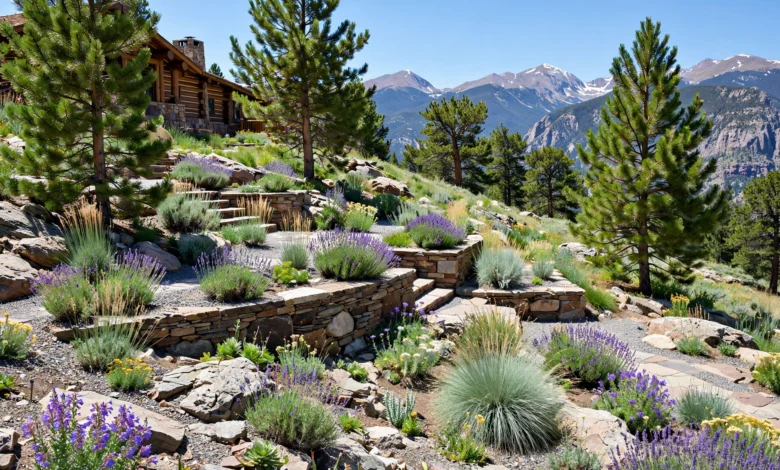
- Lavender does well in the state’s dry air, provided drainage is good.
- Sedum and other succulents need minimal water once established and handle temperature swings well.
- Ornamental grasses like little bluestem add movement and texture while needing very little supplemental water.
Building a plant list around species suited to these conditions is one of the most effective gardening ideas for homeowners in Colorado, since it dramatically cuts down on watering, replacing, and general frustration.
Water-Wise Gardening and Xeriscaping
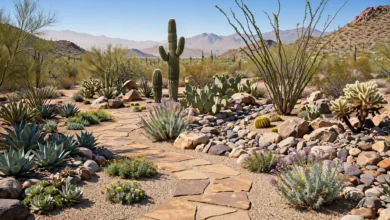
Colorado is a semi-arid state, and water restrictions have become increasingly common across Front Range communities during dry years. Building a garden around water-wise principles, often called xeriscaping, is less of a trend here and more of a practical necessity.
- Group plants by water needs. Keep thirstier plants like vegetables and annual flowers together, separate from drought-tolerant natives, so you’re not overwatering one group to satisfy another.
- Water deeply and less frequently. This encourages deeper root growth, which makes plants more resilient during hot, dry stretches.
- Install drip irrigation. Drip systems deliver water directly to root zones with far less evaporation loss than overhead sprinklers, a meaningful difference in Colorado’s dry air.
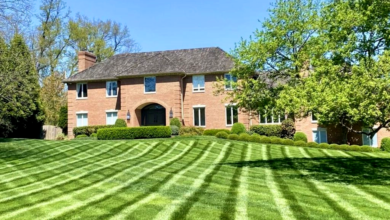
- Reduce turf areas. Traditional lawns are typically the thirstiest part of any Colorado yard. Replacing some or all of it with native groundcovers or hardscaping cuts water use significantly.
- Check local watering restrictions. Denver Water and similar utilities across the state publish current watering schedules and rebate programs for water-wise landscaping, worth checking each spring since rules can shift with drought conditions.
Simple Ways to Cut Garden Water Use
A few structural changes make a lasting difference beyond just adjusting your watering habits.
- Mulch every bed to reduce evaporation from Colorado’s dry air and intense sun.
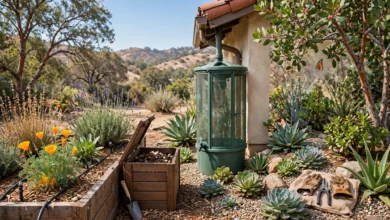
- Install a rain barrel to capture what precipitation does fall, particularly from spring storms.
- Choose native groundcovers over thirsty ornamental lawns wherever practical.
- Group container plants together so they shade each other and dry out more slowly.
- Time watering for early morning, before the day’s heat and wind increase evaporation.
Protecting Your Garden from Hail and Frost
Colorado’s weather can turn dramatically within hours, and two threats in particular catch gardeners off guard: hail and late frosts.
- Watch the forecast closely in late spring. Colorado is notorious for frosts well after the calendar suggests it’s safe to plant, so hold off on tender plants until your specific elevation’s last frost date has clearly passed.
- Keep frost cloth on hand. A lightweight frost cloth or old bedsheet thrown over vulnerable plants overnight can save an entire bed during an unexpected cold snap.
- Use hail netting for vulnerable plants. Summer hailstorms are common along the Front Range, and a simple mesh hail net over vegetable beds or prized flower beds can prevent serious damage.
- Choose resilient plants where hail is frequent. Plants with tougher, smaller leaves tend to bounce back from hail damage faster than those with large, delicate foliage.
Vegetable Gardening in Colorado’s Short Season
Growing your own vegetables is entirely achievable in Colorado, but the shorter growing season at higher elevations means timing matters more than it might elsewhere.
- Start seeds indoors early. Given the unpredictable frost dates, starting tomatoes, peppers, and other warm-season crops indoors gives them a head start before it’s safe to plant outside.
- Choose shorter-season varieties. Vegetable varieties bred for shorter growing seasons are far more likely to mature fully before an early fall frost hits.
- Use raised beds or containers. These warm up faster in spring than ground-level beds, extending your effective growing window.
- Protect crops from intense UV. Some vegetables benefit from light afternoon shade at higher elevations, where sun intensity can scorch leaves even in cooler air temperatures.
- Amend soil heavily before planting. Vegetables are particularly demanding on Colorado’s clay soil, so working in compost each season makes a noticeable difference in yield.
The Colorado State University Extension publishes detailed, region-specific vegetable planting calendars that account for the state’s varied elevations and frost patterns, a useful resource for dialing in exact timing for your specific area.
Seasonal Garden Maintenance in Colorado
Colorado’s dramatic seasonal shifts mean garden tasks follow a fairly specific rhythm compared to milder climates.
- Spring: Wait for your local last frost date before planting tender species, amend soil with compost, and check irrigation systems before the dry season ramps up.
- Summer: Water deeply during hot, dry stretches, watch the forecast for hail, and deadhead flowering plants to keep them blooming through the intense sun.
- Fall: Plant spring-flowering bulbs, mulch beds ahead of winter, and cut back perennials once they’ve finished for the season.
- Winter: Protect vulnerable plants from harsh drying winds, monitor for unusually dry stretches that may require occasional winter watering, and plan next year’s layout while the garden rests.
Following this rhythm, rather than a generic planting calendar built for a milder or more humid climate, makes a real difference in how well a Colorado garden performs across the year.
Common Mistakes Colorado Gardeners Make
A few recurring issues trip up even experienced gardeners who are new to Colorado’s specific conditions.
- Planting too early, before the true last frost date for their specific elevation has passed.
- Underestimating how fast plants dry out in Colorado’s low humidity, even when soil looks fine on the surface.
- Ignoring hail risk, leaving vulnerable plants and vegetable beds completely unprotected through summer storm season.
- Choosing plants suited to humid climates, which often struggle regardless of how much extra water they receive, since Colorado’s dry air affects far more than just soil moisture.
Avoiding these mistakes early on saves a lot of wasted effort and replanting during your first few Colorado gardening seasons.
Conclusion
Gardening in Colorado takes a bit more planning than in milder, wetter climates, but the results are well worth it once you understand what the state actually demands. By working with heavy clay soil instead of against it, choosing native and drought-tolerant plants suited to intense sun and dry air, setting up water-wise irrigation ahead of restrictions, and protecting your garden from hail and unpredictable frosts, you can build a landscape that holds up through everything Colorado’s climate throws at it. These gardening ideas for homeowners in Colorado are built around the state’s real elevation, soil, and weather patterns, which makes them far more useful than generic advice written for a completely different climate.