Gardening Ideas for Homes in Texas
Practical gardening ideas for homes in Texas, covering heat-tolerant plants, soil types, watering and region-specific advice.
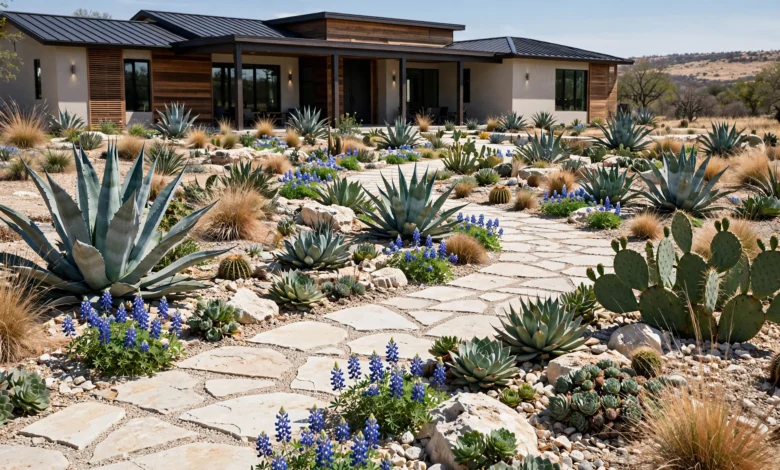
Gardening Ideas for Homes in Texas: 12 Proven Ways to Grow a Beautiful Garden
Introduction
Gardening ideas for homes in Texas need to account for one thing above all else: this state does not do mild weather. Between blistering summer heat, unpredictable hail, clay soil in some regions and pure sand in others, and a growing season that stretches on for most of the year in the south, Texas gardeners face a different set of challenges than almost anywhere else in the country. What works in a Northeast garden guide will often wilt and die within a week here.
The good news is that Texas’s long growing season and warm climate also open up possibilities that colder states don’t get, from year-round herb gardens to a wide range of heat-loving natives that thrive with relatively little fuss once established. Whether you’re gardening in the humid Gulf Coast, the arid West Texas plains, or the clay-heavy soils around Dallas and Austin, there are proven approaches suited to your exact conditions.
This guide walks through practical, region-aware ideas covering plant selection, soil preparation, watering strategy, and seasonal timing, so you can build a garden that actually survives a Texas summer instead of fighting it every year. We’ll also cover common mistakes, pest issues specific to the region, and small-space solutions for urban Texas homes. Let’s dig in.
Understanding Texas’s Climate and Regional Differences
Texas is enormous, and treating it as a single climate zone is one of the biggest mistakes new gardeners make.
Texas Is Not One Climate
The state spans several USDA hardiness zones, roughly from zone 6b in the panhandle to zone 9b or even 10a along the southern tip near the Rio Grande Valley. This means a plant that thrives in Houston might struggle badly in Amarillo, and vice versa. Before choosing plants, check your specific hardiness zone through the USDA’s plant hardiness zone map to avoid wasted money on the wrong species.
Regional Soil Variations
- Gulf Coast (Houston, Galveston): Heavy, poorly draining clay combined with high humidity
- Central Texas (Austin, San Antonio): Alkaline, rocky limestone soil that drains fast but holds little organic matter
- North Texas (Dallas-Fort Worth): Dense blackland clay, fertile but prone to cracking in dry heat
- West Texas: Sandy, low-nutrient soil with minimal rainfall
- East Texas: Sandy loam with higher rainfall and more acidic soil
Testing your soil before planting saves years of trial and error, and most county extension offices offer affordable soil testing services.
Choosing Heat-Tolerant Plants for Texas Gardens
Plant selection is arguably the single most important decision for Texas gardeners, since summer heat routinely exceeds 100°F across much of the state.
Native Texas Plants Worth Growing
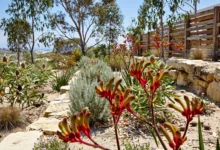
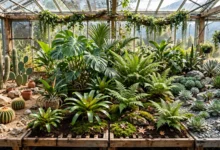
Native species have adapted to the state’s heat and erratic rainfall over thousands of years, which makes them dramatically lower-maintenance once established. Strong options include:
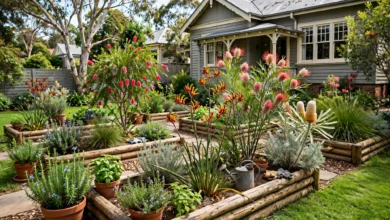
- Texas sage (Cenizo) for silvery foliage and purple blooms that thrive in drought
- Black-eyed Susan for reliable color through summer heat
- Turk’s cap for shaded areas where many flowering plants struggle
- Yaupon holly as a hardy, evergreen hedge or screen
- Mexican feather grass for texture and movement with minimal water needs
Drought-Tolerant Non-Native Options
Beyond true natives, several drought-tolerant species from similar climates perform well in Texas gardens, including lantana, salvia, rosemary, and agave. These plants generally need less frequent watering once their root systems are established, which matters given how often the state faces water restrictions during peak summer.
Smart Watering Strategies for Texas Heat
Water management can make or break a Texas garden, particularly given how often drought conditions and watering restrictions appear across the state.
Watering Timing and Technique
- Water early morning, ideally before 10 a.m., to reduce evaporation loss during peak heat
- Avoid watering in the evening in humid regions, as prolonged leaf moisture overnight can encourage fungal disease
- Deep, infrequent watering builds stronger root systems than frequent shallow watering
- Drip irrigation delivers water directly to roots and cuts waste significantly compared to overhead sprinklers
Mulching to Retain Moisture
A 3–4 inch layer of mulch around plants and garden beds reduces evaporation dramatically in Texas heat and helps regulate soil temperature. Shredded hardwood, pine straw, or native mulch all work well, and reapplying a fresh layer each spring keeps beds protected through summer.
Soil Preparation for Texas Gardens
Given how much regional variation exists across the state, improving your soil is often more important than any single plant choice.
Amending Clay Soil
Clay-heavy soils common in North and Central Texas benefit from regular additions of compost and organic matter, which improve drainage and prevent the cracking that happens when clay dries out in summer heat. Avoid working clay soil while wet, since this compacts it further.
Amending Sandy or Alkaline Soil
Sandy soils common in West Texas lose nutrients and water quickly, so regular compost additions and organic mulch help retain both. In areas with alkaline, limestone-based soil, adding sulfur or acidic organic matter like pine bark can help lower pH for plants that prefer more neutral conditions.
Seasonal Gardening Ideas for Texas Homes
Because Texas has a longer growing season than most of the country, timing your planting correctly opens up more opportunities than colder climates allow.
Spring (March to May)
Spring is ideal for planting most vegetables and annuals before summer heat sets in. Focus on:
- Planting tomatoes, peppers, and squash early enough to establish before peak heat
- Dividing and transplanting perennials
- Applying a balanced fertiliser to support strong early growth
Summer (June to August)
Texas summers are intense, and the priority shifts to protection and survival rather than new growth. Prioritise:
- Deep watering during early morning hours only
- Providing afternoon shade for vulnerable plants using shade cloth
- Harvesting heat-tolerant crops like okra and southern peas, which actually thrive in the warmth
Fall (September to November)
Fall is often considered the best planting season in much of Texas, since the soil stays warm while temperatures moderate. Good tasks include:
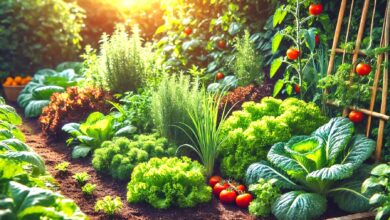
- Planting cool-season vegetables like broccoli, lettuce, and kale
- Establishing trees and shrubs so roots settle before winter
- Overseeding lawns before the first cool snap
Winter (December to February)
Winters vary enormously by region, from mild in South Texas to genuinely cold in the panhandle. General winter tasks include:
- Protecting frost-sensitive plants with covers on cold nights
- Pruning dormant deciduous trees and roses
- Planning next season’s garden and starting seeds indoors where needed
Managing Texas-Specific Pests and Diseases
Every region has its own pest pressures, and Texas is no exception given the heat and humidity in many areas.
Common Pests in Texas Gardens
- Aphids, particularly on new spring growth
- Spider mites, which thrive in hot, dry conditions
- Fire ants, a genuine nuisance across much of the state
- Squash vine borers, a frequent problem for vegetable gardeners
Practical Pest Management
- Companion planting with marigold or basil can help deter certain pests naturally
- Regular inspection catches infestations early, before they spread across a bed
- Beneficial insects like ladybugs help control aphid populations without chemical intervention
- For fire ants, targeted mound treatments are usually more effective than broad pesticide use across the whole yard
Small Space and Urban Gardening Ideas in Texas
Not every Texas home has a large yard, and urban gardens in cities like Austin, Houston, and Dallas need different approaches.
Container Gardening for Heat
Containers dry out faster in Texas heat, so choose larger pots where possible and consider self-watering containers for particularly hot spots. Group pots together to create a more favorable microclimate and reduce overall water loss.
Vertical Gardening Solutions
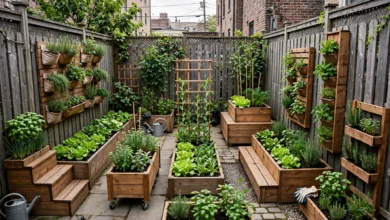
- Trellises and wall-mounted planters make efficient use of small patios and balconies
- Climbing plants like beans or jasmine soften fences while adding greenery without eating into limited floor space
- Hanging baskets suit herbs and trailing plants in tight courtyards
Raised beds are also popular across Texas since they allow gardeners to control soil quality directly rather than battling difficult native clay or overly sandy ground.
Sustainable Gardening Practices for Texas Homes
Given how often Texas faces drought conditions, sustainable practices are as much a practical necessity as an environmental choice.
- Install rain barrels to capture water during storms for use during dry stretches
- Choose native and drought-tolerant plants to reduce long-term irrigation needs
- Compost kitchen and yard waste to build healthier soil without synthetic fertiliser
- Group plants by water needs, a practice known as hydrozoning, to avoid overwatering drought-tolerant species
The Texas A&M AgriLife Extension offers detailed, region-specific guidance through their gardening resources that’s worth reviewing for advice tailored to your specific county.
Common Mistakes to Avoid
A few mistakes show up repeatedly among Texas gardeners, regardless of region:
- Ignoring your specific hardiness zone and planting species suited to a completely different climate
- Overwatering during humid summer stretches, which encourages fungal disease
- Skipping mulch, leaving soil exposed to rapid moisture loss in extreme heat
- Planting warm-season crops too early, before the last frost risk has fully passed
Avoiding these missteps early on saves significant time, money, and frustration over a full growing season.
Conclusion
Gardening ideas for homes in Texas need to work with the state’s intense heat, regional soil differences, and unpredictable rainfall rather than against them. From choosing native and drought-tolerant plants to preparing soil correctly for your specific region, timing planting around the seasons, and adopting sustainable watering habits, the fundamentals covered here give you a realistic foundation for a garden that survives a Texas summer and keeps producing through the rest of the year. Start with understanding your exact hardiness zone and soil type, then build outward from there, and you’ll find Texas’s long growing season becomes an advantage rather than a challenge