How Much Does a New Roof Cost in the USA?
New roof cost breakdown for US homeowners, covering materials, labor, roof size, and location so you can budget with confidence.
How Much Does a New Roof Cost in the USA?
New roof cost is one of the first questions homeowners ask once they realize their roof is nearing the end of its life, and for good reason. A roof replacement is one of the more expensive home projects most people will face, and prices can swing wildly depending on where you live, what material you choose, and how complicated your roof’s design is. Getting a rough idea of what to expect before contractors start showing up with quotes can save you from sticker shock and help you plan your budget realistically.
Across the United States, a new roof typically costs anywhere from $5,500 to $18,000 for an average-sized home, though it’s entirely possible to spend less on a small, simple roof or considerably more on a large home with premium materials. That’s a wide range, and the reason is simple: roofing costs depend on a long list of variables, not a single fixed price per square foot.
In this guide, we’ll break down what actually drives the cost of a roof replacement, average prices by material type, regional cost differences, labor considerations, and a few ways to keep your project within budget without cutting corners on quality. By the end, you’ll have a realistic framework for estimating your own roof replacement cost and knowing what questions to ask when you start collecting quotes.
Average New Roof Cost in the USA
Most homeowners pay between $4.50 and $11 per square foot installed, which includes both materials and labor. For a typical 1,700 to 2,100 square foot roof, that works out to a total project cost somewhere between $8,000 and $22,000. Larger, steeper, or more complex roofs push that number higher, while smaller and simpler roofs can come in well under the national average.
Here’s a general breakdown by roof size:
- Small roof (1,000–1,200 sq ft): $4,500 – $9,000
- Average roof (1,700–2,100 sq ft): $8,000 – $18,000
- Large roof (2,500–3,500 sq ft): $15,000 – $30,000+
Keep in mind these figures are national averages. Your actual quote will depend heavily on the factors covered below.
Key Factors That Affect Roof Replacement Cost
1. Roofing Material
Material choice is usually the single biggest factor in roof replacement cost. Some materials are cheap and widely available, while others cost significantly more but last longer or offer better durability.
- Asphalt shingles: $3.50 – $5.50 per sq ft, the most common and budget-friendly option
- Architectural/dimensional shingles: $4.50 – $7 per sq ft, thicker and more durable than standard three-tab shingles
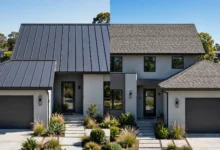
- Metal roofing: $7 – $14 per sq ft, long-lasting and energy efficient
- Wood shakes: $6.50 – $10 per sq ft, a natural look but higher maintenance
- Slate: $10 – $30 per sq ft, extremely durable but heavy and expensive to install
- Clay or concrete tile: $8 – $18 per sq ft, common in warmer climates like the Southwest
Asphalt shingles remain the most popular choice in the US, largely because they balance cost, durability, and appearance reasonably well, typically lasting 20 to 30 years.
2. Roof Size and Pitch
Contractors calculate roofing jobs in “squares,” with one square equaling 100 square feet. The larger your roof, the more materials and labor hours it requires, which scales the total cost up directly.
Pitch, or the steepness of your roof, matters too. A steep roof takes longer to work on safely, requires additional safety equipment, and often costs 10 to 20% more than a low-slope roof of the same size, simply because it’s slower and riskier for crews to install.
3. Roof Complexity and Design
A simple rectangular roof with few obstructions costs less to replace than one with multiple valleys, dormers, chimneys, skylights, and vents. Each of these features requires extra flashing, cutting, and labor time. Homes with intricate rooflines can see costs increase by 15 to 30% compared to a straightforward gable roof of the same square footage.
4. Tear-Off and Disposal
Most roof replacements require removing the old roofing material before installing new shingles or panels. Tear-off costs typically add $1 to $5 per square foot, depending on how many layers of old roofing need to be removed and local dumping fees. In some cases, if the existing roof is in good structural condition and local codes allow it, a new layer can be installed directly over the old one, which can reduce costs, though most roofing professionals recommend a full tear-off for the best long-term results.
5. Underlayment and Decking Repairs
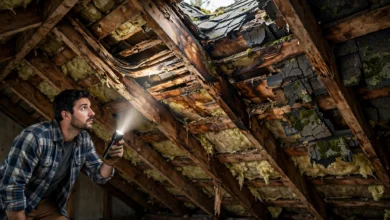
Underneath your visible shingles or panels is an underlayment layer that provides an additional barrier against moisture. If your roof decking, the wood layer beneath the underlayment, has rotted or been damaged by long-term leaks, it will need to be repaired or replaced before new roofing can go on. Decking repairs typically run $2 to $8 per square foot for the affected sections, and this is one of the more common reasons a roofing quote ends up higher than the initial estimate.
6. Labor Costs and Regional Differences
Labor typically makes up 40 to 60% of total roof replacement cost, and it varies significantly by region. Areas with a higher cost of living, like the Northeast and West Coast, tend to have higher labor rates than the Midwest or South. Local permit requirements, building codes, and even seasonal demand for roofing crews can also push prices up or down depending on where you live.
A few general regional patterns:
- Northeast: Higher labor costs, often due to complex rooflines and snow load requirements
- Midwest: Generally moderate costs, though storm damage season can spike demand
- South: Lower labor costs on average, though hurricane-resistant materials can raise material costs in coastal areas
- West Coast: Higher costs overall, partly due to wildfire-resistant material requirements in some regions
7. Roof Removal of Multiple Layers
If your roof already has two or more layers of shingles, most local building codes will require full removal before a new layer is installed. This adds labor time and disposal costs, and it’s worth asking your contractor during the inspection whether your roof has multiple layers, since it directly affects your final quote.
8. Warranty and Contractor Reputation
Established, licensed roofing contractors often charge more than smaller or less experienced crews, but that difference usually reflects better workmanship, proper insurance, and stronger warranties. A manufacturer’s warranty on materials typically ranges from 20 to 50 years depending on the product, while workmanship warranties from the contractor can range from a few years to a lifetime guarantee. It’s worth factoring warranty coverage into your cost comparison rather than choosing based on price alone.
9. Additional Features and Upgrades
Some homeowners choose to add features during a roof replacement that increase upfront cost but offer long-term value:
- Improved attic ventilation, which helps regulate temperature and moisture
- Ice and water shield in colder climates, providing extra leak protection along eaves
- Skylights, adding natural light but requiring additional flashing work
- Solar-reflective or “cool roof” coatings, which can reduce cooling costs in hot climates
According to the U.S. Department of Energy, certain roofing materials and coatings can meaningfully reduce home energy costs by reflecting more sunlight and improving attic ventilation, which is worth considering if you’re planning to stay in your home long term.
Cost Comparison by Roofing Material
| Material | Cost per Sq Ft | Average Lifespan |
|---|---|---|
| Asphalt shingles | $3.50 – $5.50 | 20–30 years |
| Architectural shingles | $4.50 – $7 | 25–30 years |
| Metal roofing | $7 – $14 | 40–70 years |
| Wood shakes | $6.50 – $10 | 25–30 years |
| Clay/concrete tile | $8 – $18 | 50+ years |
| Slate | $10 – $30 | 75–100+ years |
Does Homeowners Insurance Cover Roof Replacement?
Whether insurance covers a new roof depends on why it needs replacing. Damage from a sudden event, like a storm, fallen tree, or hail, is typically covered under standard homeowners insurance policies, minus your deductible. Roof replacement due to normal wear and aging, however, is generally considered a maintenance issue and isn’t covered.
The Insurance Information Institute notes that documenting damage promptly and understanding your policy’s specific roofing provisions, including any age-based depreciation clauses, can make a significant difference in how much of your replacement cost is reimbursed. If your roof is older, it’s worth reviewing your policy details, since some insurers reduce coverage or shift to “actual cash value” payouts for roofs beyond a certain age.
How to Get an Accurate Roof Replacement Quote
To get the most accurate roof cost estimate for your specific home, it helps to:
- Get at least three quotes from licensed, insured roofing contractors
- Ask for a breakdown of material, labor, tear-off, and disposal costs separately
- Confirm whether the quote includes decking repairs if needed, or if that’s billed separately
- Ask about warranty terms for both materials and workmanship
- Check reviews and request references from recent local jobs
Avoid choosing a contractor based on the lowest price alone. A significantly cheaper quote can sometimes mean shortcuts on materials, underlayment, or proper flashing work, which can cost more in repairs down the line.
Ways to Reduce Roof Replacement Costs
If your budget is tight, there are still ways to bring costs down without sacrificing quality:
- Time your project outside of peak season, since spring and summer are typically the busiest and most expensive times for roofers
- Choose asphalt shingles if long-term premium materials aren’t a priority
- Bundle roofing work with gutter replacement if both need attention, since contractors may offer a combined discount
- Ask about financing options, many roofing companies offer payment plans for larger projects
- Check for local rebates, some regions offer incentives for energy-efficient or storm-resistant roofing materials
Conclusion
The cost of a new roof in the USA depends on a combination of material choice, roof size, complexity, labor rates, and regional pricing differences, with most homeowners paying somewhere between $5,500 and $18,000 for a standard asphalt shingle replacement, and considerably more for premium materials like metal, tile, or slate. Understanding what drives these costs, from tear-off and decking repairs to warranty coverage and insurance eligibility, puts you in a much stronger position when comparing contractor quotes. Taking the time to get multiple estimates, ask detailed questions, and choose a reputable contractor will help ensure your roof replacement is both a sound investment and a long-term solution for protecting your home.