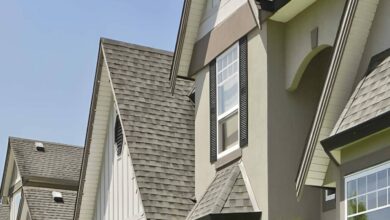
How to Choose the Best Roofing Material for Your Climate
Best roofing material choices depend on your climate. Compare shingles, metal, tile, and slate to find the right fit for your home.

Best Roofing Material for Your Climate: 7 Proven Tips to Get It Right
Best roofing material decisions are not one-size-fits-all, and treating them that way is how homeowners end up with a roof that fights their climate instead of working with it. A shingle that holds up beautifully in Arizona can curl and crack after one Minnesota winter. A metal roof that shrugs off hail in Texas might be overkill (and overpriced) for a mild coastal town that barely sees a storm. The best roofing material for your climate is the one that matches the specific stresses your region throws at it year after year: heat, freeze-thaw cycles, humidity, wind, or all of the above.
This guide walks through how different roofing materials perform under different weather patterns, so you can make a decision based on facts rather than guesswork or whatever your neighbor happens to have. We will cover the major material types, how each one holds up in hot, cold, wet, and storm-prone climates, and the other practical factors, like cost, weight, and local building codes, that should factor into your final call. Whether you are re-roofing an older home or building new, understanding roofing material performance by climate will save you money, headaches, and premature repairs down the road. By the end, you should have a clear sense of which options deserve a spot on your shortlist and which ones to skip for where you live.
Why Climate Should Drive Your Roofing Material Decision
Your roof is the single largest surface on your home exposed to the elements, and it takes that exposure every single day. Choosing a roofing material without accounting for local weather patterns is one of the most common and costly mistakes homeowners make. A material rated for durability in general terms might still fail early if it is not suited to your specific conditions.
A few climate-related stresses matter more than most people realize:
- Thermal cycling – repeated expansion and contraction from daily temperature swings can loosen fasteners and crack rigid materials over time.
- UV exposure – intense, sustained sunlight breaks down asphalt and some synthetic materials faster than manufacturers’ lab tests always suggest.
- Moisture retention – materials that absorb water are prone to mold, rot, and freeze-thaw damage in wet or cold regions.
- Wind uplift – lightweight materials can be more vulnerable in high-wind zones unless properly rated and installed.
- Snow and ice load – heavier materials need adequate structural support, and smooth surfaces shed snow differently than textured ones.
Roofing manufacturers publish performance ratings, but local climate data and building codes still matter more than a marketing brochure. The Department of Energy’s guidance on residential roofing is a useful starting point for understanding how roof materials affect energy performance in different regions, and it is worth a look before you commit to anything (Energy.gov roofing guidance).
Understanding the Main Roofing Material Types
Before comparing performance by climate, it helps to know what you are actually choosing between. Here is a quick rundown of the most common roofing materials on the market today.
Asphalt Shingles
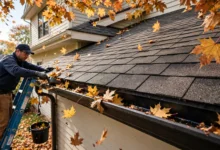
Asphalt shingles remain the most widely used roofing material in the United States, largely because they are affordable, easy to install, and available in a huge range of colors and styles. They come in two main types: three-tab (thinner, more basic) and architectural or dimensional shingles (thicker, more durable, and better wind resistance). Typical lifespan runs 15 to 30 years depending on quality and climate exposure.
Metal Roofing
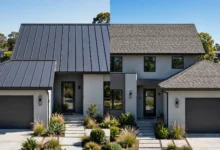
Metal roofing, whether standing seam panels or metal shingles, has grown popular for its longevity (40 to 70 years), fire resistance, and ability to reflect solar heat. It handles snow shedding well and resists wind uplift when properly installed, making it a strong roofing material choice for a wide range of tough climates.
Clay and Concrete Tile
Clay and concrete tiles are heavy, extremely durable, and naturally resistant to fire and insects. They are a traditional choice in hot, dry, and Mediterranean-style climates, largely because of their thermal mass and ability to shed heat effectively.
Slate
Slate is one of the longest-lasting roofing materials available, often exceeding 75 to 100 years. It is naturally fire-resistant, waterproof, and handsome, but it is also heavy and expensive, and not every home’s structure can support it without reinforcement.
Wood Shakes and Shingles
Wood shakes offer a natural, rustic appearance and decent insulation properties, but they require more maintenance and are vulnerable to moisture, rot, and fire unless treated. In wildfire-prone or consistently wet regions, wood is usually a harder sell.
Synthetic and Composite Roofing
Synthetic materials, made from rubber, plastic, or polymer blends, are designed to mimic the look of slate or wood while offering better impact resistance and lower maintenance. They are a newer category but have earned a solid reputation in hail-prone and storm-heavy regions.
Best Roofing Materials for Hot and Sunny Climates
If you live somewhere with long, intense summers, like the Southwest or parts of the South, heat resistance and reflectivity should top your list of priorities when choosing a roofing material.
Recommended options:
- Clay or concrete tile – excellent thermal mass that keeps interiors cooler and holds up well under constant sun exposure.
- Metal roofing with reflective coatings – reflects solar radiation instead of absorbing it, which can meaningfully reduce cooling costs.
- Cool roof asphalt shingles – newer shingle products with reflective granules designed specifically to reduce heat absorption.
Materials to approach with caution:
- Standard dark asphalt shingles can soften and degrade faster under prolonged UV exposure and heat, shortening their effective lifespan.
- Wood shakes dry out and become brittle in extreme heat, increasing fire risk in already dry regions.
Homeowners in hot climates should also pay attention to attic ventilation and underlayment quality, since heat buildup under the roofing material affects performance just as much as the surface layer itself.
Best Roofing Materials for Cold and Snowy Climates
Cold climates bring a different set of challenges: heavy snow loads, ice dams, and repeated freeze-thaw cycles that can crack or lift poorly suited materials.
Recommended options:
- Metal roofing – its slick surface sheds snow efficiently and reduces ice dam buildup, one of the biggest causes of winter roof damage.
- Architectural asphalt shingles – rated for cold-weather flexibility, these hold up better than basic three-tab shingles under freeze-thaw stress.
- Slate – naturally impervious to water absorption, which makes it highly resistant to freeze-thaw cracking, though weight and cost are real considerations.
Materials to approach with caution:
- Clay tile can be more prone to cracking in climates with heavy freeze-thaw cycles unless specifically rated for cold weather.
- Wood shakes retain moisture in snow and ice, accelerating rot if not properly maintained.
Proper attic insulation and ice-and-water shield underlayment matter enormously in cold climates, sometimes more than the choice of surface roofing material itself. The National Roofing Contractors Association offers helpful technical resources on cold-weather roofing installation standards worth reviewing before a project like this (NRCA technical resources).
Best Roofing Materials for Wet and Humid Climates
Regions with high humidity, frequent rain, or coastal moisture need a roofing material that resists mold, algae, and moisture infiltration.
Recommended options:
- Metal roofing – naturally resistant to mold, algae, and moisture absorption, and it dries quickly after rain.
- Synthetic and composite shingles – engineered to resist water absorption and biological growth better than natural wood.
- Algae-resistant asphalt shingles – newer shingle lines include copper or zinc granules specifically to prevent streaking and algae growth in humid climates.
Materials to approach with caution:
- Wood shakes and shingles are particularly vulnerable to rot, mold, and insect damage in consistently humid environments.
- Standard asphalt shingles without algae-resistant treatment often develop unsightly black streaking within a few years in muggy climates.
Good attic ventilation and proper flashing installation are especially critical in humid regions, since trapped moisture beneath the roofing material is often a bigger problem than surface exposure.
Best Roofing Materials for Windy and Storm-Prone Areas
Hurricane zones, tornado alley, and other high-wind regions demand roofing materials rated for impact resistance and wind uplift, not just general durability.
Recommended options:
- Standing seam metal roofing – when properly fastened, it offers some of the best wind uplift resistance available and stands up well against wind-driven debris.
- Impact-resistant asphalt shingles (Class 4 rated) – designed to resist hail and wind-borne debris, and often qualify for insurance discounts.
- Synthetic composite roofing – engineered for high impact resistance while remaining lighter than tile or slate.
Materials to approach with caution:
- Basic three-tab asphalt shingles have lower wind ratings and are more prone to blow-off in severe storms.
- Clay and concrete tile can become dangerous projectiles if not properly secured, and cracked tiles are common after major hail events.
The Insurance Institute for Business & Home Safety publishes independent testing data on wind and impact resistance for various roofing materials, which is a genuinely useful resource if you live in a storm-prone area and want to compare options beyond marketing claims (IBHS roofing research).
Other Factors to Weigh Alongside Climate
Climate should guide your shortlist, but a few other practical factors will help you land on the right final choice.
- Cost – asphalt shingles remain the most budget-friendly option, while slate and premium metal roofing sit at the higher end. Balance upfront cost against expected lifespan.
- Roof weight and structural support – tile and slate are heavy and may require additional framing. Have a contractor confirm your roof structure can handle the load before committing.
- Local building codes and HOA rules – some municipalities and homeowners associations restrict certain materials or colors, so check before you fall in love with an option.
- Energy efficiency – reflective and cool-roof rated materials can reduce cooling costs significantly in warmer climates and may qualify for utility rebates.
- Maintenance requirements – wood and tile generally require more upkeep than metal or asphalt, which matters if you prefer a low-maintenance home.
- Resale value – certain materials, particularly metal and slate, tend to appeal more to buyers and can improve resale value in the right markets.
- Insurance considerations – impact-resistant materials sometimes qualify for premium discounts, especially in hail- or storm-prone regions.
Common Mistakes to Avoid When Choosing a Roofing Material
Even with good research, homeowners fall into a few predictable traps when selecting a roofing material. Avoid these where possible:
- Choosing based on price alone – the cheapest option often costs more over time through repairs and early replacement.
- Ignoring local climate data – a material’s national average lifespan means little if your specific region shortens it dramatically.
- Skipping proper ventilation and underlayment – even the best surface material underperforms without proper attic ventilation and moisture barriers underneath.
- Overlooking manufacturer warranties – warranty terms vary widely, and some exclude damage from specific weather events, so read the fine print.
- Hiring based on the lowest bid – roofing installation quality affects performance as much as the material itself, so vet contractors carefully rather than just comparing quotes.
Taking the time to avoid these mistakes upfront will save considerable money and stress later, especially since a full roof replacement is not something most homeowners want to repeat more often than necessary.
Conclusion
Choosing the best roofing material for your climate comes down to matching a material’s real-world strengths to the specific weather stresses your home faces, whether that means reflective tile and metal for scorching summers, snow-shedding metal panels for harsh winters, algae-resistant shingles for humid regions, or impact-rated options for storm-prone areas. Beyond climate, factors like cost, structural weight, local codes, and maintenance expectations all play a role in narrowing down the right choice. Taking the time to research these details before committing, rather than defaulting to whatever is most common in your area, will pay off in fewer repairs, a longer-lasting roof, and better protection for your home for decades to come.