How to Start a Vegetable Garden in Your Backyard
How to start a vegetable garden in your backyard, from choosing a site to planting your first crops for a genuinely productive harvest.
How to Start a Vegetable Garden in Your Backyard: 7 Simple Steps for a Thriving First Harvest
Introduction
How to start a vegetable garden in your backyard is one of the most common questions new gardeners search for, and honestly, the process is a lot more forgiving than most beginners assume. You don’t need acres of land, perfect soil, or years of experience to grow something worth eating. What you do need is a realistic plan, a decent spot with enough sun, and a willingness to start smaller than your Pinterest board is telling you to.
Most first-time vegetable gardens fail for a handful of predictable reasons: not enough sunlight, poor soil that was never actually prepared, or simply planting too much too soon and losing steam by midsummer. None of these are hard to avoid once you know what to look for going in.
This guide walks through exactly how to start a vegetable garden from scratch, covering site selection, soil prep, choosing beginner-friendly crops, and building a watering and maintenance routine you’ll actually keep up with. Whether you’re working with a full backyard bed, a raised planter, or a handful of containers on a patio, these steps apply at any scale. By the end, you’ll have a clear, practical plan for getting your first vegetables in the ground and, more importantly, keeping them alive through the whole season.
Why Starting a Vegetable Garden Is Worth the Effort
Beyond the obvious appeal of fresh produce, a backyard vegetable garden offers real, measurable benefits. According to the U.S. Department of Agriculture, home-grown vegetables often cost significantly less over a season than store-bought equivalents once a garden is established, and homegrown produce also tends to be more nutrient-dense since it’s eaten shortly after harvest rather than after days or weeks in transit and storage.
A backyard vegetable garden also gives you full control over what goes into your food, from soil amendments to pest management, which is a big draw for anyone interested in eating more organically without paying premium prices at the grocery store.
1. Choose the Right Location
Site selection is the single biggest factor in whether a vegetable garden succeeds, more important than soil quality or plant variety.
Sunlight Requirements
Most vegetables need at least 6 to 8 hours of direct sunlight a day to produce well. Leafy greens like lettuce and spinach can tolerate a bit more shade, but fruiting vegetables like tomatoes, peppers, and squash need full sun to thrive.
Access to Water
Pick a spot reasonably close to a hose or water source. A garden that’s inconvenient to water tends to get neglected during busy weeks, which is one of the quieter reasons beginner gardens underperform.
Drainage
Avoid low-lying areas where water pools after rain. Most vegetables need well-draining soil, and waterlogged roots are a fast way to lose plants, especially early in the season.
2. Decide on a Garden Style
There isn’t one right way to grow vegetables, and the best format depends on your space, budget, and soil conditions.
In-Ground Beds
Planting directly in the ground works well if your existing soil is reasonably healthy. It’s the lowest-cost option but requires more upfront soil preparation.
Raised Beds
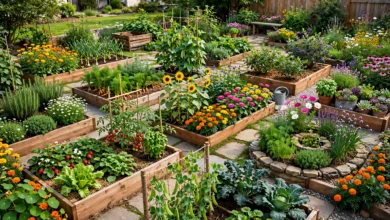
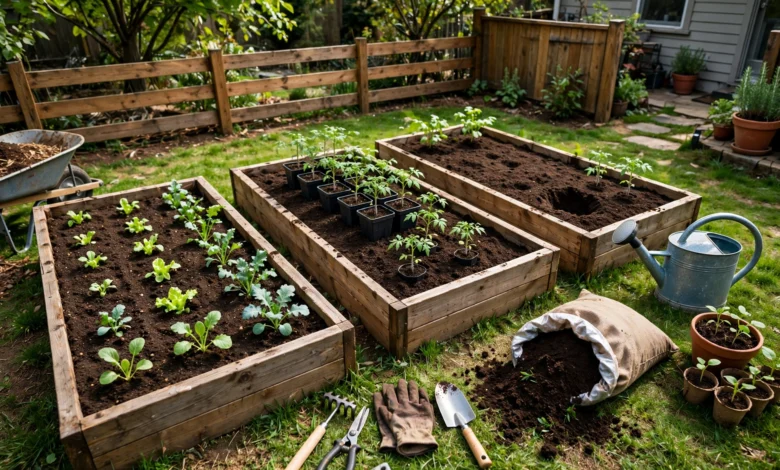
Raised garden beds have become extremely popular for beginners because they let you control soil quality from scratch, drain well, and are easier on the back for planting and weeding. They also warm up faster in spring, giving you a slightly longer growing season.
Container Gardening
If you’re working with a patio or very limited yard space, container gardening lets you grow a surprising range of vegetables, including tomatoes, peppers, and herbs, as long as containers are sized appropriately and have good drainage.
3. Prepare Your Soil
Healthy soil is the foundation of a productive vegetable garden, and skipping this step is one of the most common beginner mistakes.
- Test your soil using a basic home kit to check pH and nutrient levels. Most vegetables prefer a pH between 6.0 and 7.0.
- Add compost to improve soil structure, drainage, and nutrient content, regardless of what your existing soil looks like.
- Remove weeds and debris thoroughly before planting, since established weeds compete aggressively with young seedlings for nutrients and water.
- Loosen compacted soil to a depth of at least 8 to 12 inches so roots can establish easily.
4. Choose Beginner-Friendly Vegetables
Starting with forgiving, productive crops builds confidence and keeps a first garden from feeling overwhelming.
- Tomatoes are a classic first crop and reward even minimal care with a strong harvest.
- Zucchini and summer squash are famously prolific and nearly foolproof for beginners.
- Lettuce and other leafy greens grow quickly, tolerate partial shade, and can be harvested repeatedly.
- Bush beans don’t require staking and produce reliably with minimal fuss.
- Herbs like basil and parsley are easy to grow alongside vegetables and add immediate usefulness in the kitchen.
Avoid starting with notoriously finicky crops like cauliflower or artichokes until you’ve got a season or two of experience under your belt.
5. Plan Your Layout
A thoughtful layout makes a real difference in how productive and manageable your garden ends up being.
Spacing
Always follow the spacing guidance on seed packets or plant tags. Overcrowding is a common beginner mistake that leads to poor air circulation, increased disease risk, and smaller yields overall.
Companion Planting
Certain vegetables grow well together, improving pest resistance or space efficiency. Classic combinations include tomatoes with basil, or corn, beans, and squash planted together in the traditional “three sisters” method.
Succession Planting
For fast-growing crops like lettuce or radishes, planting small batches every couple of weeks, rather than everything at once, extends your harvest window and prevents a single overwhelming glut all at once.
6. Build a Watering and Maintenance Routine
Consistency matters more than intensity when it comes to keeping a vegetable garden healthy.
- Water deeply but less frequently, encouraging roots to grow downward rather than staying shallow near the surface.
- Water in the early morning when possible, reducing evaporation loss and lowering the risk of fungal disease compared to evening watering.
- Mulch around plants to retain soil moisture and suppress weeds, cutting down significantly on maintenance time.
- Check plants regularly for early signs of pests or disease, since catching problems early is far easier to manage than dealing with an established infestation.
7. Manage Pests and Common Problems
Every vegetable garden deals with pests eventually, but most issues are manageable without resorting to harsh chemicals.
- Handpick larger pests, like tomato hornworms or beetles, when populations are small.
- Use row covers to physically block pests from reaching young seedlings.
- Encourage beneficial insects, like ladybugs and lacewings, by planting a few flowering plants nearby.
- Rotate crop families each season to reduce the buildup of soil-borne pests and diseases specific to certain plant types.
The Environmental Protection Agency offers general guidance on integrated pest management approaches that favor prevention and targeted intervention over blanket pesticide use, which is a solid framework for home gardeners as well.
Common Mistakes First-Time Vegetable Gardeners Make
A quick rundown of the pitfalls that trip up most beginners:
- Choosing a spot with insufficient sunlight and wondering why plants underperform
- Skipping soil preparation and testing before planting
- Planting too much too soon, leading to burnout by midsummer
- Overwatering or underwatering due to an inconsistent schedule
- Ignoring plant spacing guidance, leading to overcrowding and poor yields
Conclusion
Starting a vegetable garden in your backyard doesn’t require special expertise, just a bit of planning around sunlight, soil, and a manageable scope for your first season. Choose a sunny, well-draining spot, decide whether an in-ground bed, raised bed, or containers fit your space best, and take the time to prepare your soil properly before anything goes in the ground. Start with a handful of forgiving, productive crops, build a consistent watering routine, and stay ahead of pests before they become a bigger problem. Keep expectations realistic for your first season, and you’ll likely find that a backyard vegetable garden is far more achievable, and rewarding, than it seemed going in.