How to Work With a Landscape Designer on a Budget
How to work with a landscape designer on a budget: practical strategies to control costs without cutting corners on quality.
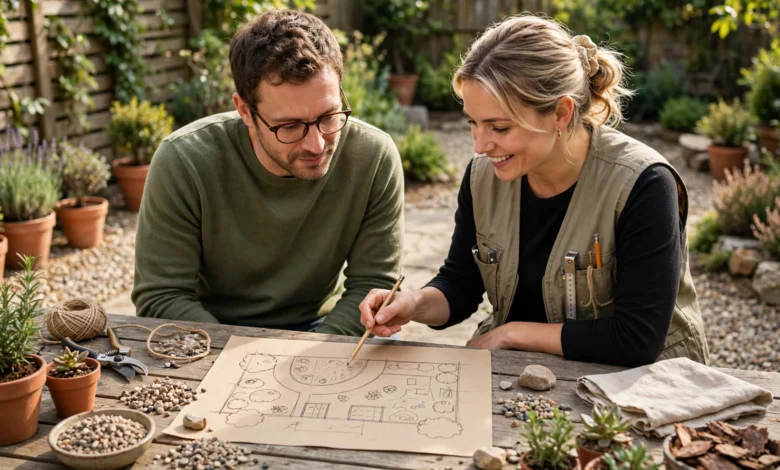
How to Work With a Landscape Designer on a Budget: 7 Smart Tips to Avoid Overspending
Introduction
How to work with a landscape designer on a budget is a question a lot of homeowners assume has an obvious answer: just spend less. In practice, it’s more about being strategic with how money gets spent than simply cutting corners everywhere. A tight budget doesn’t have to mean a disappointing result. It usually means being clearer about priorities, phasing work sensibly, and communicating openly with your designer about what matters most and where you’re willing to compromise.
The mistake a lot of people make is either avoiding a designer entirely to save money, or hiring one and then feeling too awkward to bring up budget constraints clearly, which leads to designs that get scrapped and redone once the real numbers come in. Neither approach tends to produce a great outcome. A good landscape designer, told upfront exactly what you’re working with, can usually find creative ways to deliver most of what you want, just not necessarily all at once or with the most expensive materials on the market.
This guide covers practical strategies for working with a designer while keeping costs under control, including how to set a realistic budget, what to prioritize, where it’s safe to cut costs, and where cutting corners tends to backfire. Whether you’re planning a full garden renovation or a smaller refresh, these principles apply at any budget level.
1. Set a Realistic Budget Before the First Meeting
Walking into a first conversation with a designer without a number in mind almost always leads to wasted time on both sides. Working with a landscape designer on a budget starts with knowing what that budget actually is.
How to Set a Realistic Number
- Research typical costs for similar projects in your area to set expectations before you start
- Decide on a firm ceiling and a preferred target below that ceiling, giving some room for unexpected costs
- Set aside a contingency fund, typically 10 to 15 percent of the total budget, for surprises like poor soil conditions or drainage issues discovered mid-project
Being Upfront With Your Designer
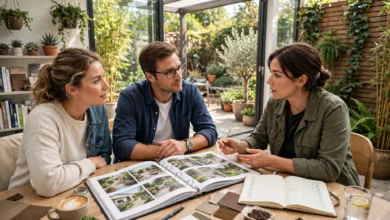
Telling a designer your exact budget early on isn’t a weakness in negotiation, it’s the information they need to design something realistic. A designer who doesn’t know your budget may present concepts that are completely unworkable, wasting design fees on plans that get thrown out.
2. Prioritize What Matters Most to You
Not every element of a landscape project carries equal weight for every homeowner. Getting clear on priorities before design work begins helps a designer allocate the budget where it counts.
Questions to Ask Yourself
- Is this primarily about improving how the space functions, how it looks, or both equally?
- Are there specific features you consider non-negotiable, like a patio for entertaining or privacy screening?
- Which elements would you be comfortable adding later, once budget allows?
- Is resale value a consideration, or is this purely for your own enjoyment of the space?
Sharing Priorities With Your Designer
A clear list of must-haves versus nice-to-haves gives a designer something concrete to work from, rather than trying to guess which parts of a wishlist actually matter most to you.
3. Understand Where Costs Typically Go
A landscape design budget usually breaks down across a few major categories, and understanding this breakdown helps identify where savings are realistic and where they’re not.
Typical Cost Categories
- Design fees: covers the designer’s time for concept development, plans, and project oversight
- Hardscaping: patios, walls, paths, and other structural elements, which usually represent the largest portion of the budget
- Softscaping: plants, turf, and mulch, generally less expensive than hardscaping but still a meaningful cost
- Irrigation and drainage: often underestimated, but critical for the long-term success of the design
- Lighting and finishing touches: usually a smaller portion of the budget but adds noticeably to the finished result
Where Costs Can Add Up Unexpectedly
- Site preparation and grading, especially on properties with drainage issues or difficult access
- Permit fees for structural elements like retaining walls or major hardscaping
- Delivery costs for materials, particularly in areas with limited access for large vehicles
4. Phase the Project Instead of Doing Everything at Once
One of the most effective budget-friendly landscaping strategies is breaking a larger vision into phases rather than trying to complete everything in a single project.
How to Phase a Landscape Project
- Start with structural and functional elements: grading, drainage, and any major hardscaping
- Add core planting once the structural work is complete and stable
- Introduce secondary features like lighting, water features, or additional planting in a later phase
- Save purely decorative or luxury elements, such as an outdoor kitchen or fire feature, for when budget allows
Why This Order Matters
Doing structural work first avoids the common and costly mistake of damaging established plants or new hardscaping during a later construction phase. A designer with experience in phased projects can create a master plan upfront, even if the budget only allows for the first phase to be built immediately.
5. Get Multiple Quotes and Compare Them Properly
Comparing quotes only by total price can be misleading if the scope of work differs between proposals. A more careful comparison protects your budget better than simply picking the lowest number.
What to Compare Across Quotes
- Specific materials specified, since a lower price often means lower-grade materials
- Whether site preparation, grading, and disposal costs are included or billed separately
- Warranty terms for both plants and any structural work
- Payment schedules and what triggers each payment milestone
Red Flags in a Low Quote
- No breakdown of labor versus materials
- Vague plant or material descriptions rather than specific species or product names
- No mention of drainage or site preparation as part of the process
- Significantly lower pricing than other quotes without a clear explanation for the difference
6. Know Where It’s Safe to Cut Costs (and Where It Isn’t)
Not all budget cuts carry equal risk. Some compromises save money without affecting long-term results, while others tend to cause expensive problems later.
Safer Places to Save
- Choosing smaller plant sizes at installation, since most plants grow to fill their space within a few seasons regardless of starting size
- Using gravel or mulch paths instead of paved surfaces in lower-traffic areas
- Selecting locally available plants and materials rather than specialty or imported options
- Doing some of the planting yourself once the designer’s plan and hardscaping are in place
Where Cutting Corners Tends to Backfire
- Skimping on proper drainage, which often leads to expensive repairs down the line
- Choosing the cheapest possible hardscaping materials, which may need replacing sooner than better-quality options
- Skipping soil preparation, resulting in plants that struggle and need replacing within a year or two
- Hiring unlicensed or uninsured contractors for structural work to save money upfront
The U.S. Small Business Administration offers general guidance on vetting contractors, including checking licensing and insurance, which applies just as well to hiring for landscaping and hardscape work.
7. Communicate Clearly Throughout the Project
Budget overruns often come down to communication gaps rather than dishonesty on either side. Staying in close contact with your designer throughout the project reduces the risk of expensive surprises.
Good Communication Habits
- Ask for a written scope of work and refer back to it if the project seems to be expanding beyond the original plan
- Request updates before any decision that would increase costs beyond the agreed budget
- Ask questions about anything unclear in a quote or contract before signing, rather than after work begins
- Keep a record of all changes and approvals in writing, even informal ones like text messages or emails
According to guidance from Consumer Reports, getting agreements in writing and maintaining clear documentation throughout a home improvement project is one of the most effective ways to avoid disputes over cost and scope, a principle that applies directly to landscaping projects as well.
Common Budget Mistakes to Avoid
- Starting a project without a contingency fund for unexpected site conditions
- Choosing a designer or contractor based solely on the lowest quote without comparing scope
- Skipping drainage or soil preparation to save money upfront
- Trying to complete an entire ambitious vision in one phase rather than spreading it out
- Failing to communicate budget constraints clearly at the start of the design process
Conclusion
Learning how to work with a landscape designer on a budget comes down to clear communication, realistic planning, and knowing which corners are safe to cut and which ones tend to cost more in the long run. Setting a firm budget with a contingency built in, prioritizing what matters most, phasing the project sensibly, and comparing quotes carefully all help stretch a landscaping budget further without sacrificing quality where it counts. With the right approach and an open conversation with your designer from the very first meeting, a modest budget can still produce a garden that looks intentional, functions well, and holds up for years to come.