Landscape Designer Tips for Homes in London
Landscape designer tips for London homes: practical, expert-backed advice on planning, planting, and building a garden that lasts.
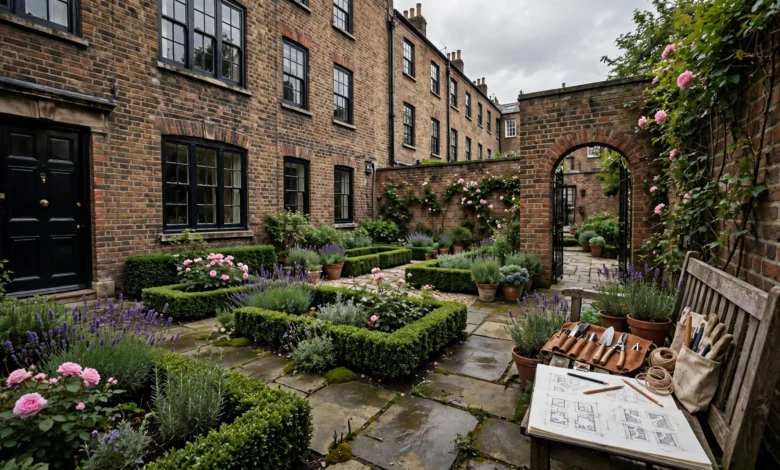
Landscape Designer Tips for London Homes: 7 Proven Ways to Create a Stunning Garden
Introduction
Landscape designer tips for London homes matter more than most people realise, because London gardens come with their own set of quirks. Between narrow terraced plots, unpredictable weather, clay-heavy soil, and strict conservation rules in certain boroughs, what works in a countryside garden often falls flat in the city. A patio that looks great in a magazine might turn into a swamp after one wet English winter if drainage wasn’t considered first.
Whether you’re working with a small courtyard in Clapham, a long thin garden in Islington, or a wraparound plot in Richmond, the fundamentals of good landscape design stay the same: understand your space, work with the climate instead of against it, and build something that suits how you actually live. This article walks through practical, experience-based advice that professional landscape designers use when planning gardens across London. You’ll find guidance on layout, plant choices suited to the local climate, materials that hold up to city weather, lighting, budgeting, and the planning permission rules that catch a lot of homeowners off guard.
By the end, you should have a much clearer sense of what a well-planned London garden actually needs, and how to avoid the common mistakes that lead to expensive redo jobs a few years down the line.
1. Start With an Honest Site Assessment
Before choosing a single plant or paving stone, a good landscape designer always assesses the site itself. This step gets skipped more often than it should, and it’s usually the reason gardens fail within a year or two.
Check Your Soil Type
Much of London sits on London Clay, which is dense, holds water, and can crack in dry summers. This affects almost every decision that follows, from drainage to plant selection.
- Dig a small test hole and check how quickly water drains after rain
- Test soil pH with an inexpensive kit from a garden centre
- Note whether the soil is heavy clay, sandy, or a loam mix
Assess Light and Shade Patterns
London’s terraced housing and tall buildings create shade patterns that shift throughout the day and across seasons. Track how sunlight moves across your garden over a full day, ideally more than once, since summer and winter light angles differ significantly.
Consider Wind and Microclimate
Rooftop gardens, courtyards between buildings, and exposed rear gardens near open land can all experience very different wind conditions. A garden design that ignores this often ends up with damaged plants or unusable outdoor furniture within the first year.

2. Design for London’s Space Constraints
Most London gardens are smaller than the national average, and many are oddly shaped. A skilled landscape designer treats these limits as a design challenge rather than a dealbreaker.
Work With Vertical Space
When floor space is tight, going vertical is one of the most effective strategies:
- Install wall-mounted planters or living walls
- Use trellises for climbing plants like clematis or star jasmine
- Add raised beds that double as seating
Create Zones Within a Small Footprint
Even a modest garden can feel larger when it’s divided into distinct areas:
- A dining or entertaining zone near the house
- A quieter seating or reading nook further back
- A utility or storage area tucked out of sight
- A planting border that softens boundary walls
Use Sightlines to Your Advantage
Long, narrow gardens (common in Victorian terraces) benefit from staggered planting and curved paths rather than a single straight line down the middle. Breaking the sightline makes the space feel bigger than it is, because you can’t see the whole garden at once.
3. Choose Plants Suited to London’s Climate
London sits in a temperate maritime climate, generally milder than much of the UK but still capable of sharp frosts, heavy rain, and increasingly hot, dry summers. Plant selection has to account for this shifting pattern rather than relying on outdated assumptions.
Reliable Plants for London Gardens
- Hardy perennials: hardy geraniums, salvias, and euphorbias tolerate London’s variable rainfall well
- Structural shrubs: box, yew, and pittosporum hold their shape year-round and suit formal or informal styles
- Drought-tolerant options: lavender, rosemary, and ornamental grasses cope better with the drier summers London has seen in recent years
- Shade-tolerant species: ferns, hostas, and hellebores work well in the shadier gardens common between terraced houses
Native and Pollinator-Friendly Planting
There’s growing interest in gardens that support local wildlife rather than working against it. According to the Royal Horticultural Society, choosing plants that flower at different times of year gives pollinators a consistent food source and helps gardens stay resilient through changing weather patterns. Mixing native hedgerow species like hawthorn or hazel with ornamental planting is a simple way to bring more birds, bees, and butterflies into a London garden.
Avoid Common Planting Mistakes
- Planting species that need consistently moist soil in a garden with heavy clay drainage issues
- Overcrowding small beds, which leads to competition for light and nutrients
- Ignoring mature size, resulting in shrubs that outgrow their space within a few years
4. Prioritise Drainage and Hard Landscaping
Drainage problems are one of the most common reasons London gardens fail to perform, especially with the city’s heavier rainfall events becoming more frequent.
Sustainable Drainage Solutions
- Permeable paving allows water to soak through rather than pooling or running into overloaded drains
- Soakaways and French drains redirect excess water away from patios and building foundations
- Rain gardens, planted dips that temporarily hold rainwater, reduce runoff while adding a planting feature
The Environment Agency recommends sustainable drainage systems (SuDS) for new landscaping projects, particularly in urban areas where impermeable surfaces contribute to localised flooding. This is worth discussing with your landscape designer even for a modest garden refresh.
Choosing Hard Landscaping Materials
- Natural stone: durable and weather-resistant, though it comes at a higher price point
- Porcelain paving: increasingly popular for its low maintenance and frost resistance
- Timber decking: warm underfoot but requires more upkeep in London’s damp climate, so choose treated or naturally durable species like oak or cedar
- Gravel: a cost-effective, permeable option for informal paths or seating areas
5. Think About Privacy and Boundaries
Privacy is often a bigger concern in London than in more rural settings, simply because gardens sit closer together.
Practical Privacy Solutions
- Tall, dense hedging such as laurel or bamboo creates a natural screen without feeling like a fortress
- Pergolas with climbing plants soften boundary lines while adding overhead interest
- Fencing with trellis toppers adds height without requiring planning permission in most cases
Boundary Planning Permission Rules
Fence and wall heights are regulated in most London boroughs. Generally, boundaries can be up to two metres high without planning permission, though this drops to one metre if the boundary faces a public highway. Conservation areas and listed buildings often carry additional restrictions, so it’s worth checking with your local council before any major boundary work begins.
6. Add Lighting and Outdoor Living Features
A garden that only works during daylight hours is missing half its potential, especially given how much of the year London spends with early sunsets.
Layered Lighting Design
- Ambient lighting: soft, low-level lighting for general evening use
- Task lighting: brighter, focused light near cooking or dining areas
- Accent lighting: uplights or spotlights that highlight trees, sculptures, or architectural features
Low-voltage LED systems are the standard choice now, since they’re energy-efficient and safe for outdoor use in damp conditions.
Outdoor Living Additions
- Fire pits or chimineas extend usability into cooler months
- Covered pergolas or garden rooms make the space usable even in light rain
- Outdoor kitchens have become increasingly popular for larger London gardens with the space to support them
7. Set a Realistic Budget and Timeline
One of the most overlooked aspects of garden design is proper budgeting. Costs in London tend to run higher than the national average due to labour rates and material delivery costs.
Typical Cost Considerations
- Site clearance and groundwork often account for a larger share of the budget than people expect
- Hard landscaping (paving, walls, decking) usually costs more than soft landscaping (plants, turf, borders)
- Ongoing maintenance costs should be factored in from the start, not treated as an afterthought
Phasing a Garden Project
If budget is tight, phasing the work makes sense:
- Complete groundwork, drainage, and structural elements first
- Add hard landscaping such as patios and paths
- Introduce planting once the hard structure is in place
- Finish with lighting, furniture, and smaller details
This order avoids the common mistake of planting first and then damaging beds during later construction phases.
Common Mistakes to Avoid
- Skipping a proper site survey before starting design work
- Choosing plants without checking their mature size and light requirements
- Underestimating drainage needs on clay-heavy London soil
- Ignoring council rules on boundary heights, trees, and conservation area restrictions
- Spending the entire budget on hard landscaping and leaving nothing for planting
Conclusion
Designing a garden that actually works in London takes more than good taste. It requires a clear-eyed look at the site’s soil, light, drainage, and space constraints, paired with plant and material choices suited to the city’s specific climate and regulations. The landscape designer tips covered here (honest site assessment, smart use of small spaces, climate-appropriate planting, solid drainage, thoughtful privacy solutions, layered lighting, and realistic budgeting) form the foundation that professional designers rely on across London’s boroughs. Whether you handle the project yourself or bring in a professional, getting these fundamentals right from the start will save you time, money, and a fair amount of frustration down the road.