Design Trends Homeowners in Queensland Can’t Stop Talking About
Design trends homeowners in Queensland can't stop talking about include warm minimalism, biophilic living and subtropical-ready materials.
Design Trends Homeowners in Queensland Can’t Stop Talking About: 10 Stunning Ideas Reshaping Australian Homes
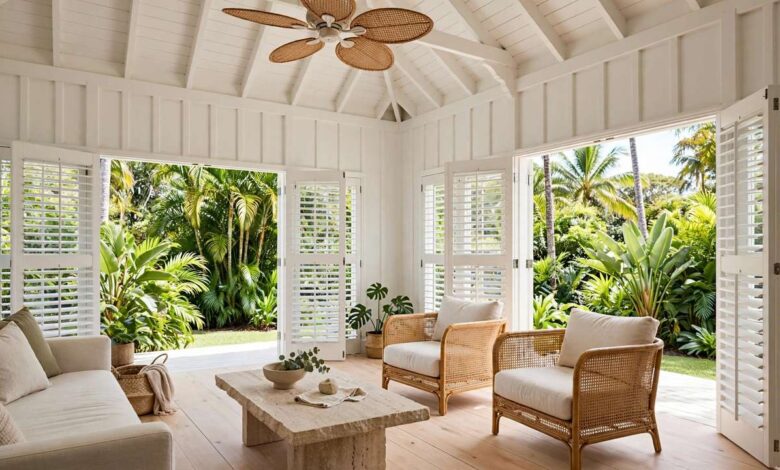
Design Trends Homeowners in Queensland Can’t Stop Talking About right now share one thing in common: they’re built for the way people actually live in a subtropical climate, not just for how a room photographs. From Brisbane renovations to new builds on the Sunshine Coast and Gold Coast, the direction is clear. Stark white interiors and purely decorative features are giving way to warmer palettes, natural materials, genuine indoor-outdoor flow, and homes designed to perform well in Queensland’s heat, humidity and increasingly unpredictable weather.
This shift is backed by real demand. Housing Industry Association projections put approximately 165,000 new home commencements across Australia in 2026, with Queensland among the states leading by volume, and the Queensland Government Statistician’s Office recorded a trend estimate of 3,948 dwelling units approved across the state in April 2026 alone. With that many homes being built, renovated and styled at once, it’s no surprise that certain design choices are showing up again and again in conversations between homeowners, builders and architects across the state.
This guide walks through the ten design trends homeowners in Queensland can’t stop talking about, explaining what each one looks like, why it’s gaining traction in this specific climate and property market, and how to introduce it into your own home, whether you’re planning a full new build or a room-by-room refresh.
1. Warm, Inviting Colour Replaces Stark White
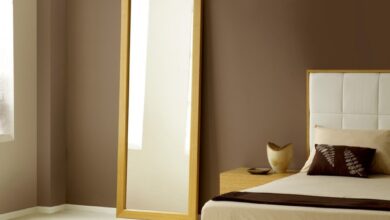
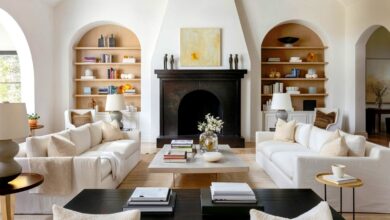
The all-white interior that dominated Queensland renovations for years is losing ground. Buyers and homeowners alike are gravitating toward warmer tones that feel more welcoming in person and photograph better for listings.
Property stylists working across Brisbane have noted that <cite index=”32-1″>buyers are moving away from stark, all-white homes and toward warm, inviting spaces, since warm spaces photograph better and feel more welcoming during inspections</cite>.
Ways this is showing up in real homes:
- Soft greige, warm taupe and clay tones on walls instead of pure white
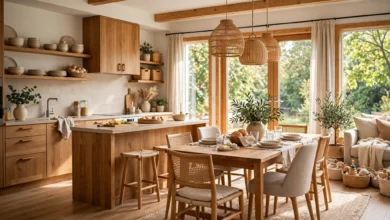
- Timber tones left visible rather than painted over
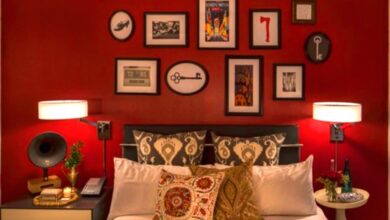
- Strategic colour used through styling and furnishings rather than bold feature walls, keeping resale appeal broad
2. Subtropical-Ready, Coastal-Resilient Materials
Queensland’s climate, particularly along the coast, demands materials that can handle humidity, salt air and intense sun without constant upkeep. This is one of the most practical trends on this list, since it directly affects long-term maintenance costs.
Architects working on the Sunshine Coast report that <cite index=”37-1″>design must actively combat the harsh coastal climate, favouring low maintenance, resilient materials over traditional timber and render</cite>.
Materials gaining popularity:
- Fibre cement cladding and composite decking over traditional render
- UV-stable, low-maintenance external finishes
- Reclaimed timber and raw concrete used selectively for texture without the upkeep of full timber facades
3. Genuine Indoor-Outdoor Alfresco Living
Outdoor living has always mattered in Queensland, but the way homeowners are approaching it has become more deliberate. Rather than a simple back patio, alfresco areas are now designed as a true extension of the living space.
What this looks like in practice:
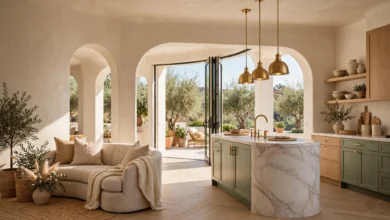
- Bi-fold or stacking doors that fully open living areas onto covered outdoor rooms
- Outdoor kitchens and dining areas positioned as a genuine second living zone, not an afterthought
- Shade structures and louvres designed to keep outdoor spaces usable through Queensland’s hottest months
As one Brisbane styling firm puts it plainly, <cite index=”32-1″>with Brisbane’s lifestyle centred around outdoor living, exterior spaces are just as important as interiors, and buyers will often decide emotionally in the outdoor area</cite>.
4. Biophilic Design and Natural Materials
Bringing nature into the home has moved from a decorative trend to a structural design principle. Architects across Queensland are integrating greenery, natural light and organic materials directly into floor plans rather than adding plants as an afterthought.
This reflects a broader shift where <cite index=”37-1″>biophilic design, which aims to connect occupants with nature, is moving beyond simple potted plants, with natural materials like reclaimed timber, raw concrete and exposed stone used extensively to create texture and warmth</cite>.
Simple ways to apply this trend:
- Large windows and skylights positioned to maximise cross-ventilation and natural light
- Internal courtyards or light wells in larger homes
- Natural stone, timber and linen textiles used throughout living spaces
5. Energy Efficiency and Passive Solar Design
With rising energy costs and updated building codes, energy performance has become one of the most talked-about priorities in Queensland home design right now, especially for new builds and major renovations.
Industry data shows that <cite index=”36-1″>R6.0 ceiling insulation is becoming standard in Queensland, alongside solar panels with battery storage and heat pumps that deliver 300 to 400 percent greater efficiency than electric resistance heating</cite>.
Common energy-efficient upgrades:
- Solar panels paired with home battery storage
- Passive solar orientation to reduce reliance on air conditioning
- Upgraded ceiling and wall insulation
- Double-glazed or tinted windows on north and west-facing walls
6. Wellness Sanctuaries Built Into the Home
Home wellness spaces have shifted from a luxury add-on to a genuine design priority. Homeowners are dedicating specific zones to recovery, quiet and self-care rather than treating them as optional extras.
Architects on the Sunshine Coast describe this shift directly, noting that <cite index=”37-1″>wellness spaces like home gyms and plunge pools are now essential, moving beyond mere luxury to necessity</cite>, with some homes incorporating filtered water systems and dedicated quiet rooms into the primary layout.
Popular wellness features:
- Small plunge pools or cold-therapy tubs
- Dedicated home gym or yoga spaces with natural light
- Quiet reading or meditation nooks separated from main living areas
7. Intentional Minimalism, Not Bare Rooms
Minimalism hasn’t disappeared from Queensland homes, but the interpretation has changed. Bare, empty rooms are out; carefully edited, purposeful styling is in.
As one Brisbane stylist explains, <cite index=”32-1″>minimalism has evolved, and in 2026 it’s about intentional styling, not bare rooms</cite>.
What intentional minimalism looks like:
- A smaller number of well-chosen furniture pieces rather than an empty room
- Layered textures, such as linen and wool, added to keep spaces feeling warm despite a pared-back approach
- Storage solutions that keep surfaces clear without stripping personality from a room
8. Modern Heritage: Blending Queenslander Charm With Contemporary Comfort
Queensland’s classic timber Queenslander homes remain some of the state’s most distinctive housing stock, and rather than replacing that character, many renovations now aim to preserve it alongside modern comfort.
This mirrors a broader Australian pattern where <cite index=”36-1″>”modern heritage” pairs original features with contemporary comforts, restoring historic facades while updating interiors for current lifestyles</cite>.
How this plays out in Queensland renovations:
- Retaining original VJ panelling, high ceilings and timber verandas
- Extending Queenslanders at the rear with contemporary, energy-efficient additions
- Elevating traditional under-house spaces into usable living or storage areas without losing the home’s silhouette
9. Flexible, Zoned Living Spaces
Open-plan living remains popular, but homeowners are increasingly asking for layouts that can adapt to different uses over time, rather than one large undivided space.
Ways flexible zoning is being applied:
- Sliding or cavity doors that can open or close off a home office from living areas
- Multi-generational layouts with semi-separate living zones for extended family
- Furniture and joinery used to define zones within an open floor plan without adding permanent walls
10. Concealed, Purposeful Smart Technology
Smart home technology remains popular, but the visible, gadget-heavy approach of a few years ago is giving way to systems that are felt rather than seen.
This reflects a wider move where <cite index=”33-1″>downlights peppered across ceilings and other once-modern conveniences are losing favour in a world leaning toward holistic, wellbeing-driven design</cite>, with technology increasingly concealed within the architecture itself.
Where this shows up:
- Zoned climate control accessed through a single app rather than multiple visible panels
- Concealed speakers and lighting integrated into joinery
- Automated blinds and louvres that respond to sun position and temperature
How These Trends Play Out Differently Across the State
Queensland is a large, climatically varied state, and the way these trends show up depends heavily on where a home is located.
A few regional notes worth knowing:
- Brisbane renovations tend to lean toward warm minimalism and modern heritage, particularly in inner-city suburbs with a high concentration of original Queenslanders and post-war character homes.
- Sunshine Coast and Gold Coast builds prioritise coastal-resilient materials and wellness sanctuaries more heavily, given the combination of salt air, high humidity and a lifestyle built around beach proximity.
- Regional and North Queensland homes tend to place a stronger emphasis on passive cooling, cross-ventilation and shade design, since air conditioning running costs are a bigger day-to-day consideration further from the coast.
- New estates on Brisbane’s outer fringe are where flexible, zoned living layouts show up most often, largely because these homes are more frequently designed from scratch rather than renovated.
Regardless of region, the underlying priorities remain consistent: materials that perform well in heat and humidity, genuine indoor-outdoor connection, and layouts that support how people actually live day to day rather than simply looking good in a listing photo.
Why These Are the Design Trends Homeowners in Queensland Can’t Stop Talking About
Queensland’s building landscape is shifting alongside these design preferences. The state has been progressing staged building regulation reform, with the latest legislative tranche commencing on 1 February 2026, covering licensing, insurance settings and the introduction of a Queensland Housing Code to streamline design and siting rules. That means many of these trends aren’t purely aesthetic choices; they intersect directly with current compliance requirements, particularly around energy efficiency and liveability standards under the National Construction Code.
A few practical starting points if you’re planning a project:
- Confirm current approval and insurance requirements before committing to a design, since Queensland’s building framework has continued to shift through 2026.
- Prioritise passive solar orientation and insulation early, since these are far harder to retrofit than to design in from the start.
- Treat outdoor living areas as a core part of the floor plan, not an optional extra, given how central alfresco space is to Queensland lifestyles.
- Where possible, retain original character features in older homes rather than removing them, since heritage details are increasingly valued by buyers.
For a deeper look at how architects are approaching sustainable, climate-responsive design across the state, Lea Design Studio’s residential architecture trends report offers a detailed breakdown of insulation standards, solar uptake and biophilic design principles. The Housing Industry Association also publishes ongoing coverage of colour, material and construction trends shaping homes across Australia, including Queensland specifically.
Frequently Asked Questions About Queensland Home Design Trends
Are these design trends only relevant to new builds, or do they apply to renovations too? Most apply to both. Energy efficiency upgrades and passive solar design are easiest to implement in a new build, but colour choices, biophilic touches, zoned layouts and wellness spaces can all be introduced into an existing home without a full rebuild.
Is it worth prioritising energy efficiency upgrades if I’m not planning to build immediately? Yes, particularly insulation and window upgrades, since these tend to offer the clearest reduction in cooling costs in Queensland’s climate and are usually cheaper to address before other renovation work begins.
Do heritage Queenslanders lose value if they’re extended with modern additions? Generally no, provided the original character at the front of the home is retained. Renovations that pair preserved heritage features with a contemporary rear extension tend to appeal to a broad range of buyers.
Conclusion
Design Trends Homeowners in Queensland Can’t Stop Talking About ultimately reflect a state adapting its homes to its climate, lifestyle and evolving regulations all at once. From warm colour palettes and coastal-resilient materials to genuine indoor-outdoor living, biophilic design and concealed smart technology, each trend on this list points toward homes built to feel good to live in, not just to look good in photos. Whether you’re planning a new build, a Queenslander renovation, or a smaller styling refresh, focusing on materials, layouts and energy performance suited to Queensland’s specific conditions is the thread connecting every idea here, and it’s a direction likely to keep shaping the state’s homes well beyond this year.