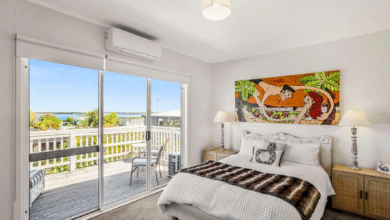
16 Popular Design Ideas Every Homeowner Should Try This Year
Popular design ideas every homeowner should try this year, covering color, lighting, storage, and layout changes that make a real difference.
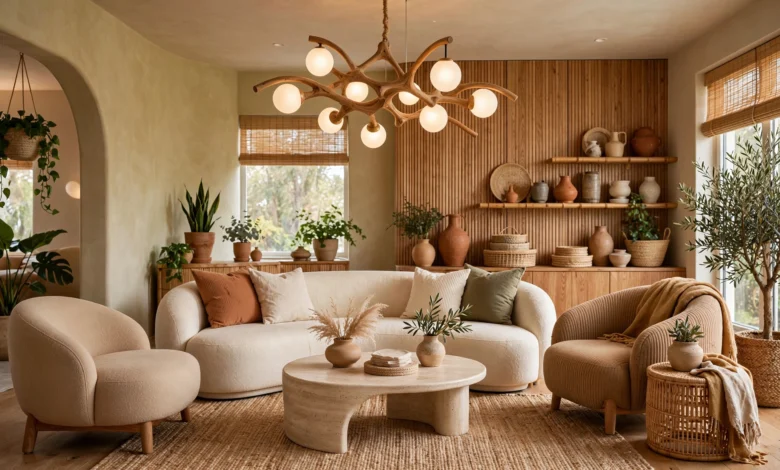
16 Popular Design Ideas Every Homeowner Should Try This Year
Popular design ideas every homeowner should try this year don’t all require a contractor, a big budget, or a weekend of upheaval. Some of the most effective changes are small and affordable, a different bulb, a rearranged room, a single piece of solid furniture, while others are bigger structural moves worth planning around if you’re already renovating. What matters is that each one earns its place by actually improving how a home looks, feels, or functions, rather than chasing a look that will feel dated in a year or two.
That distinction is worth sitting with for a second. A lot of home design content online is really trend coverage: here’s what’s popular, here’s what designers are showing at trade fairs, here’s what’s trending on social media. That’s useful context, but it doesn’t always translate into practical advice for someone standing in their own living room wondering what to actually change. This article is built differently. It’s a working list of popular design ideas homeowners are genuinely putting into practice this year, ranked by how achievable they are, not just how photogenic they look.
Whether you’re planning a full renovation, updating a single room, or just looking for a handful of low-cost changes that make your home feel more like yours, these sixteen ideas cover color, lighting, layout, storage, materials, and a few smaller details that are easy to overlook but make a real difference once they’re done.
1. Repaint With a Warmer, More Grounded Palette
If you only make one change this year, this is the one with the best return for the effort involved. Popular design ideas built around color are consistently the fastest and cheapest way to transform a room.
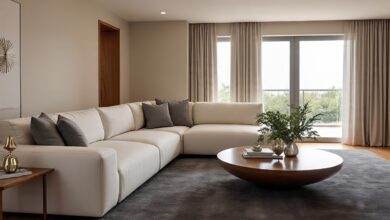
- Move away from cool grays and stark whites toward warm neutrals like greige, warm white, or soft taupe.
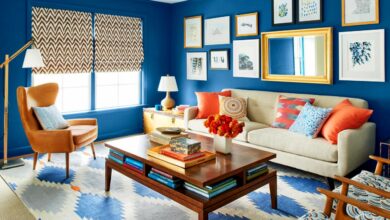
- Add one deeper, earthy accent color, terracotta, olive, or deep clay, in a single room or on a feature wall.
- Test paint colors in the actual room and lighting you’ll be living with, since color reads very differently under artificial light than in a paint store.
2. Layer Your Lighting Properly
Most homes rely far too heavily on a single overhead fixture per room. Fixing this is one of the most underrated design ideas every homeowner can try, since it changes how a space feels without changing anything structural.
- Add table or floor lamps to every seating area, not just the living room.
- Switch to warm-toned bulbs, generally in the 2700K to 3000K range, for a softer, more inviting glow.
- Use dimmers wherever possible so the same room can shift from bright and functional to soft and relaxed.
The U.S. Department of Energy offers reliable guidance on choosing bulbs that balance warmth, brightness, and energy efficiency, which is worth a quick read before a full lighting overhaul.
3. Bring in Natural Materials and Textures
Texture does a lot of quiet work in a room, and it’s one of the easiest popular design ideas to apply without a big budget.
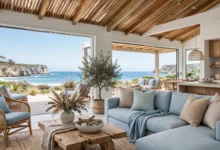
- Swap synthetic rugs for wool or jute options, which add both texture and durability.
- Choose wood, rattan, or stone furniture pieces over glass or plastic wherever practical.
- Add a mix of textured pillow covers, linen, boucle, wool, rather than a single matching set.
4. Declutter Before You Decorate
This is the step most homeowners skip, and it’s the one that undermines almost every other idea on this list. A beautifully decorated room still feels chaotic if it’s full of things that don’t have a place.
- Go room by room rather than trying to declutter the whole house in one weekend.
- Use the “one thing out, one thing away” rule for high-traffic surfaces like countertops and coffee tables.
- Donate or sell items you haven’t used in over a year rather than relocating them to another part of the house.
5. Invest in One Statement Piece Per Room
Rather than filling a room with many smaller purchases, one well-chosen statement piece often does more to define the space than several smaller ones combined.
- A sculptural light fixture, a bold piece of art, or a solid wood dining table can anchor an entire room.
- Choose pieces with some texture, shape, or history rather than something purely decorative and disposable.
- Build the rest of the room’s decor around that piece, rather than trying to match everything equally.
6. Add Smart, Attractive Storage
Clutter creeps back no matter how thoroughly you declutter unless there’s somewhere for everyday items to actually live. This is one of the most practical popular design ideas for homeowners dealing with limited space.
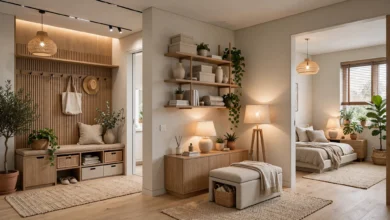
- Choose furniture that pulls double duty, like a storage ottoman or a bench with built-in cubbies.
- Use woven baskets or fabric bins for toys, blankets, and miscellaneous items instead of visible plastic totes.
- Add floor-to-ceiling shelving in underused corners to make use of vertical space rather than floor space alone.
7. Mix Furniture Shapes for Visual Movement
A room filled entirely with straight lines and sharp angles can feel stiff, even when every individual piece is well chosen.
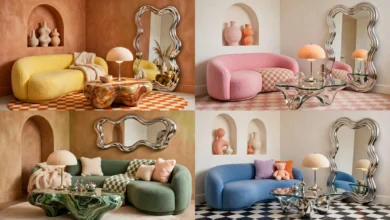
- Pair a rectangular sofa with a round coffee table or an oval rug.
- Add one curved or organically shaped chair to soften an otherwise angular room.
- Choose lighting and mirrors with rounded silhouettes to balance out straight furniture lines.
8. Bring the Outdoors In With Plants
Greenery remains one of the simplest, lowest-cost design ideas available, and it genuinely affects how a room feels day to day.
- Choose a few larger plants rather than many small scattered ones for a cleaner, more intentional look.
- Position plants near natural light sources to keep them healthy and to reinforce the connection to the outdoors.
- Use simple ceramic or ceramic-look pots that fit your existing color palette rather than mismatched plastic containers.
9. Update Hardware and Fixtures
This is one of the most cost-effective design ideas every homeowner can try on a tight timeline, since it can transform a kitchen or bathroom without a full remodel.
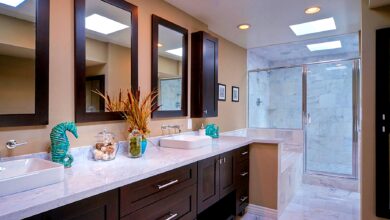
- Swap outdated cabinet pulls and knobs for a more current finish, like matte black or warm brass.
- Replace old light switch covers and outlet plates, a small detail that’s easy to overlook but noticeable once updated.
- Update faucets and showerheads for both a visual refresh and, often, better water efficiency.
10. Create a Dedicated Reading or Quiet Corner
Not every idea on this list needs to be about the whole room. Carving out one small, intentional space can meaningfully change how a home feels to live in.
- Choose a single comfortable chair with good back support.
- Add a small side table and a reading lamp nearby.
- Keep the space visually simple, avoiding clutter that would undercut the sense of calm.
- Position it near a window if possible, for natural light during the day.
11. Use a Statement Rug to Ground a Room
An area rug does more than protect flooring, it defines a seating area and adds a layer of warmth and color that’s easy to change out later if your taste shifts.
- Size the rug so at least the front legs of your major furniture pieces sit on it.
- Choose a textured or patterned rug in busy households, since it hides everyday wear better than a flat, solid one.
- Wool blends tend to offer the best mix of comfort, durability, and long-term value.
12. Choose Wallpaper for a Single Feature Wall
Wallpaper has made a genuine comeback, and it’s a low-commitment way to bring pattern and personality into a room without repainting the entire space.
- Botanical prints, subtle textures, and soft murals are especially popular choices right now.
- A single feature wall, often behind a bed, sofa, or fireplace, keeps the look intentional rather than overwhelming.
- Removable or peel-and-stick wallpaper is a good option for renters or anyone hesitant to commit to something permanent.
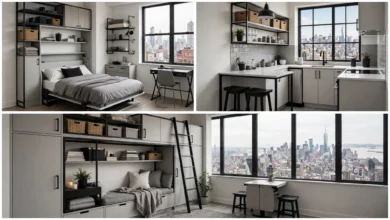
13. Prioritize Multi-Functional Furniture
As homes are asked to do more, home offices, guest rooms, workout spaces, furniture that adapts to different needs has become one of the more practical popular design ideas homeowners are adopting this year.
- A daybed or sofa bed allows a home office to double as a guest room.
- Extendable dining tables handle everyday meals while still accommodating guests when needed.
- Nesting tables or fold-down desks make the most of smaller rooms without permanently committing the space to one function.
14. Choose Sustainable, Durable Materials
Homeowners are increasingly thinking about longevity rather than buying furniture and finishes meant to be replaced every few years.
- Solid wood furniture, while a bigger upfront investment, generally outlasts particleboard or laminate alternatives by decades.
- Look for materials with some transparency about sourcing, whether that’s reclaimed wood, recycled metal, or locally made pieces.
- Choosing fewer, better-made items ultimately costs less over time than repeatedly replacing cheaper furniture.
15. Personalize With Meaningful Objects, Not Matching Sets
One of the clearest shifts in home design recently is a move away from perfectly matched decor toward interiors that feel collected and personal.
- Display family photos, travel finds, or handmade pieces instead of relying solely on generic store-bought art.
- Mix vintage or secondhand pieces with newer furniture rather than buying an entire matching set at once.
- Let a few visible collections, books, ceramics, records, be part of the room’s personality instead of hiding them away.
16. Improve Indoor-Outdoor Connection
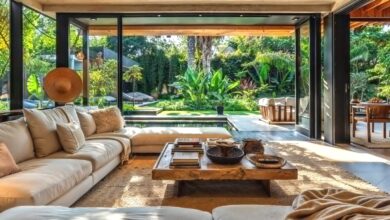
Even without direct access to a large outdoor space, most homes can strengthen the visual and physical connection between indoors and outside.
- Keep window treatments minimal to maximize natural light and views.
- Add a small seating area just outside a main living space, even a compact patio or balcony, and furnish it with the same intention as an interior room.
- Choose planting or furniture near windows that echoes the color palette used indoors, creating a sense of continuity between the two spaces.
How to Prioritize These Popular Design Ideas on a Budget
Not every idea on this list needs to happen at once. According to broader coverage of where interior design is heading this year from Decorilla, homeowners are increasingly choosing fewer, more considered updates over constant redecorating, and that approach applies well here too.
- Start with lighting and hardware if your budget is limited; both are inexpensive and deliver an immediate visual difference.
- Move on to decluttering and storage, since this step makes every other change look more effective.
- Save bigger investments, statement furniture, wallpaper, or material upgrades, for the rooms you use and see the most.
Conclusion
Popular design ideas every homeowner should try this year aren’t necessarily the flashiest ones. A warmer paint color, better-layered lighting, a proper declutter, and a few well-chosen pieces of furniture will do more for how a home actually feels than a long list of trend-driven purchases. Start small, prioritize the changes that fit your budget and your daily routine, and build from there, room by room, until your home reflects how you actually want to live in it rather than how it happened to be decorated last time around.
Keywords: