Interior Designer Tips for a Cohesive Home Design in Victoria
Interior designer tips for a cohesive home design in Victoria cover color, flow, materials, and furniture that tie every room together
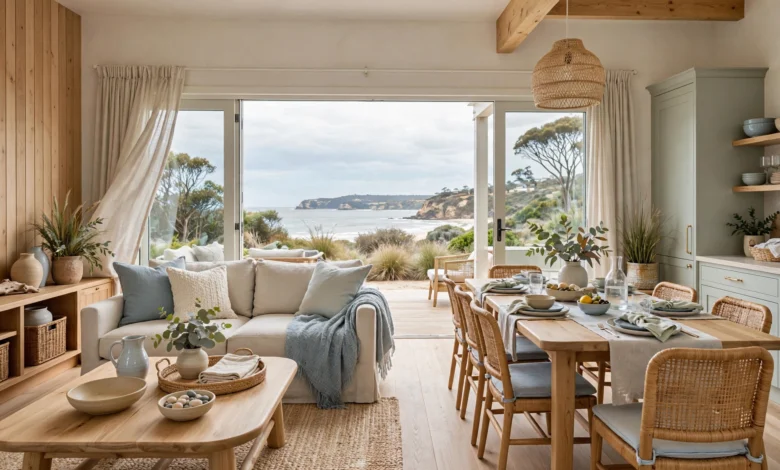
Interior Designer Tips for a Cohesive Home Design in Victoria: 10 Proven Strategies
Introduction
Cohesive home design is one of those things you notice the moment it’s missing. You walk into a house where every room was decorated on its own, with no connection to the one before it, and something feels off even if you can’t quite name it. A Victoria interior designer will tell you that cohesion isn’t about making every room match. It’s about creating a consistent thread, whether that’s color, material, or a repeated design detail, that carries you naturally from one space to the next.
Victoria’s mix of heritage character homes, coastal light, and newer builds makes this particularly relevant. Many homes here blend period architecture with modern additions, which means a cohesive design plan has to respect what’s already there while still feeling intentional and current. Get it right, and a home feels calm and pulled together no matter how many different rooms or styles it contains. Get it wrong, and even a beautifully decorated house can feel disjointed.
This guide walks through ten practical strategies interior designers use to build a cohesive home, from color palette and material repetition to lighting, hardware, and furniture scale. Each one is a small, deliberate decision on its own, but together they’re what separates a house that feels like a collection of unrelated rooms from one that feels like a single, considered home.
1. Start With a Whole-Home Color Palette
The single most common reason a home feels disjointed is that each room was chosen independently, with no plan connecting one to the next. A cohesive home design starts with a whole-home color palette decided before a single room is painted.
- Choose two or three anchor colors that will appear, in some form, throughout the home
- Use variations in tone or saturation from room to room rather than switching colors entirely
- Keep trim, ceilings, and hallways in a consistent neutral to avoid jarring transitions between spaces
- Test colors in the actual light of each room, since Victoria’s coastal light shifts noticeably between seasons
Planning the palette first means every later decision, from furniture to art to rugs, has something consistent to work from.
2. Repeat Materials and Textures Throughout the Home
Cohesion isn’t only about color. Repeating materials, whether it’s a wood tone, a metal finish, or a specific fabric texture, creates a visual thread that ties rooms together even when their functions are completely different.
- Use the same or complementary wood tones across flooring, furniture, and cabinetry
- Repeat a hardware finish (brass, matte black, brushed nickel) on doors, faucets, and light fixtures throughout the home
- Carry one signature texture, such as woven wood shades or linen upholstery, into multiple rooms in varied forms
- Continue flooring materials between connected spaces, particularly in open-plan layouts, to avoid a chopped-up feel
3. Maintain Consistent Hardware and Fixtures
This is one of the easiest details to overlook and one of the most noticeable when it’s inconsistent. Mismatched door handles, faucet finishes, or light fixture styles from room to room quietly undermine an otherwise well-designed home.
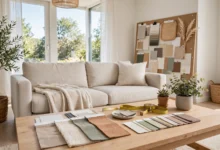
- Pick one primary hardware finish and use it throughout, unless there’s a clear design reason to vary it
- If mixing finishes, keep it intentional, such as warm tones in living spaces and cooler tones in bathrooms, rather than random
- Match interior and exterior door hardware where visible from the same sightline
4. Respect the Home’s Architecture
Many homes in and around Victoria carry real architectural character, from heritage cottages to Craftsman-style details, and a cohesive design plan works with that character instead of against it. Mixing eras and styles can look wonderful, but it requires intention.
- Identify the architectural period or style of the home before choosing a design direction
- Blend contemporary furniture with period details rather than replacing them outright
- Keep new additions or renovated spaces in a similar material language to the original structure so the transition doesn’t feel abrupt
- Preserve original features, such as molding, fireplaces, or window trim, as anchor points for the rest of the design
5. Create a Consistent Furniture Scale
Furniture that’s wildly inconsistent in scale from room to room can make a home feel like it was decorated in pieces rather than as a whole. A cohesive home design pays attention to proportion throughout, not just within individual rooms.
- Match the general weight and scale of furniture across connected living spaces
- Avoid pairing oversized statement pieces in one room with delicate, spindly furniture in the next without a transitional element
- Use similar leg styles or silhouettes across key pieces to create a subtle visual rhythm
6. Layer Lighting With a Unified Plan
Lighting affects mood and cohesion more than most homeowners realize. A home with a completely different lighting style in every room, cool white in the kitchen, warm yellow in the living room, can feel fragmented even if the furniture is perfectly coordinated.
- Standardize on one color temperature throughout the main living areas
- Use a mix of ambient, task, and accent lighting in every major room rather than relying on a single overhead fixture
- Choose fixture styles that share a design language, even if they’re not identical, so lighting reads as intentional rather than mismatched
The Houzz guide to creating flow and cohesion covers this in more depth, particularly around how repeated design choices carry a look from room to room.
7. Plan Sightlines Between Rooms
Cohesion isn’t only about what’s inside each room. It’s also about what you see as you move between them. Standing in one room and looking into the next reveals whether a home flows or feels chopped up.
- Consider what’s visible from the entryway, hallway, and main living spaces before finalizing furniture placement
- Avoid placing visually competing colors or patterns directly in each other’s sightlines
- Use a consistent flooring material through connected spaces to keep the eye moving smoothly
8. Use a Signature Design Element as a Thread
Many designers build cohesion around one repeated signature element, a specific pattern, a color accent, or a material detail, that shows up in a considered way throughout the home. This gives a house a sense of identity rather than feeling like generic, unrelated rooms.
- Choose one accent color and use it sparingly but consistently, such as in throw pillows, art, or ceramics
- Repeat a specific pattern or print in small doses across multiple rooms
- Use a consistent frame style or gallery wall approach for art throughout the home
9. Don’t Be Afraid to Mix Styles, With Intention
Cohesive doesn’t mean identical. A home can mix modern and traditional, or vintage and contemporary, and still feel completely pulled together, as long as the mixing follows a clear internal logic rather than happening at random.
- Keep a consistent color palette even when mixing furniture styles
- Blend eras gradually rather than switching abruptly between rooms
- Use one dominant style as a foundation, with secondary styles layered in as accents rather than competing for attention
10. Work With an Interior Designer Who Understands the Local Character
A Victoria interior designer familiar with the region’s architecture, climate, and available local suppliers brings a level of local knowledge that’s difficult to replicate on your own. They’ll know how to balance heritage character with modern function, how coastal light affects color choices throughout the year, and which local tradespeople and showrooms are worth working with.
Working with a professional also means access to a structured process, from an initial consultation through a formal design plan, rather than making piecemeal decisions room by room. For general standards around professional design credentials, Interior Designers of Canada maintains information on qualifications and professional practice that’s useful when vetting a designer.
Common Mistakes That Break Cohesion
Even with the best intentions, a few habits tend to undo a cohesive design plan:
- Decorating room by room in isolation, without a whole-home plan guiding the choices
- Mixing too many unrelated color palettes, which fragments the visual flow between spaces
- Ignoring architectural context, particularly in older or character homes
- Inconsistent hardware and lighting finishes, which read as an afterthought rather than a design choice
- Overcorrecting into sameness, where every room looks identical instead of connected
Frequently Asked Questions
Does cohesive home design mean every room has to look the same? No. Cohesion is about a consistent thread, whether that’s color, material, or a repeated detail, not identical rooms. Variety within a shared design language actually makes a home feel more interesting.
How do I start creating a cohesive design if my rooms are already decorated differently? Start with the easiest, least expensive fixes first: hardware finishes, paint trim colors, and lighting temperature. These small changes often do more to unify a home than replacing furniture.
Is it worth hiring a designer just for cohesion, or can I do it myself? Many homeowners can apply these principles on their own with a clear plan. A designer becomes more valuable for larger homes, character properties with architectural nuance, or when you want a structured process from color palette through final styling.
Conclusion
A cohesive home design in Victoria comes down to a series of deliberate, connected choices rather than any single trick: a whole-home color palette, repeated materials and hardware finishes, furniture scaled consistently across rooms, unified lighting, and a design plan that respects the home’s existing architecture. Sightlines between rooms, a signature design element used as a thread, and intentional style mixing all reinforce that same sense of flow, and working with a local interior designer who understands the region’s character can pull all of it together more efficiently than tackling it room by room. The result is a home that feels like one considered space rather than a collection of disconnected rooms, no matter how many different functions or styles it contains.
Keywords: