How to Prep Your Home Before Your Interior Designer Visits
: Learn how to prep your home before your interior designer visits with 8 simple steps that make your first consultation smooth and productive.
Prep Your Home Before Your Interior Designer Visits: 8 Essential Steps for a Stress-Free First Meeting Introduction:
To prep your home before your interior designer visits, you don’t need to scrub every baseboard or hide every stray sock. What you do need is a home that clearly communicates how you live, what bothers you about your current space, and what you’re hoping to change. Most homeowners walk into their first design consultation without a plan, and it shows. The designer spends the first thirty minutes asking basic questions that could have been answered in advance, and the meeting ends without much real progress.
A little preparation changes that completely. When you take time to declutter, gather inspiration, and think through your priorities before the appointment, your designer can spend that first visit actually assessing your space, offering ideas, and building a plan, instead of just gathering information. This guide walks through exactly what to do in the days before your interior designer visits, from the practical (cleaning and measurements) to the personal (figuring out your style and budget). By the end, you’ll know how to make that first meeting count, set the right tone for the working relationship, and avoid the common mistakes that slow projects down before they even start.
Why Preparing Your Home Matters Before an Interior Designer Visit
A first design consultation is really a fact-finding mission for both sides. Your designer is trying to understand your home’s layout, your daily routines, and your taste, while you’re trying to figure out whether this person is the right fit for your project. If your home is buried under clutter or your goals are still fuzzy in your own head, that assessment gets harder for everyone.
Preparation isn’t about impressing anyone. It’s about respecting the limited time you have together and making sure that time is spent on the things that actually move your project forward, like discussing layout options, materials, and budget ranges, rather than digging through a closet to find outlets or explaining why there are boxes in the living room.
1. Declutter Every Room the Designer Will See
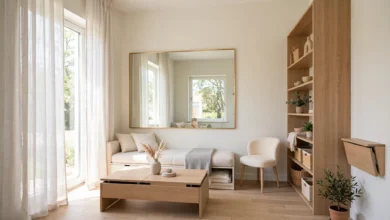
Decluttering is the single most useful thing you can do before an interior designer walks through your door. It’s not about making the house look magazine-ready. It’s about letting the bones of the space show.
- Clear countertops, tables, and floors of everyday items so the designer can see the actual square footage and traffic flow.
- Put away laundry, toys, and paperwork piles that tend to collect in high-traffic rooms.
- Remove excess furniture that doesn’t belong in the room long-term, even if it’s just for the visit.
- Group similar items together (books, electronics, decor) so the designer can see what you own and what might carry into the new design.
You don’t need to rent a storage unit. A few hours of tidying, plus a couple of bins for things you’re not ready to deal with yet, is usually enough.
2. Deep Clean the Key Spaces
Cleaning and decluttering aren’t the same thing. Once the clutter is gone, a quick clean makes it easier for your designer to notice details like wall condition, flooring wear, and natural light.

Focus on:
- Wiping down surfaces and windows so natural light reads accurately in each room.
- Vacuuming or sweeping floors, especially if flooring changes are part of the conversation.
- Cleaning light fixtures and switching on all the lights before the visit, since lighting plays a big role in how a designer reads a space.
- Airing out rooms that haven’t been used recently.
A clean, well-lit room helps your designer give you a more accurate read on color, scale, and how light moves through your home over the course of the day.
3. Gather Your Inspiration and Vision Materials
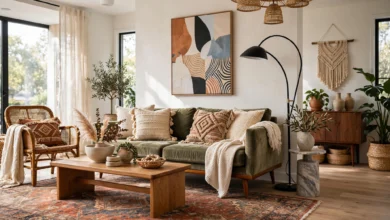
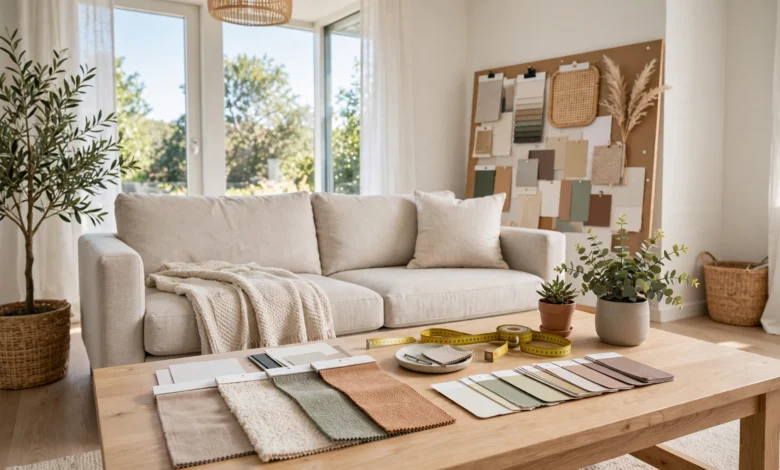
Before your interior designer visits, put together a simple collection of images, colors, and materials that reflect the direction you want to go. This is one of the most valuable things you can hand over, because it gives your designer a visual shortcut into your taste instead of relying on words alone.
Good sources for inspiration include:
- Pinterest boards or Houzz idea books organized by room
- Screenshots saved from Instagram or design blogs
- Torn-out pages from home magazines
- Photos of homes, hotels, or restaurants that caught your eye
- Paint chips, fabric swatches, or product links you’ve already saved
Try to keep this collection focused rather than overwhelming. A folder of ten to fifteen images per room that consistently point in one direction is far more useful than a hundred images with no clear theme. If you and your partner disagree on style, bring both sets of images. It’s easier for a designer to find common ground when they can see the actual gap between two visions.
4. Make a List of Pain Points and Priorities
Your designer needs to know what isn’t working just as much as what you like. Before the visit, walk through each room and jot down honest notes.
Ask yourself:
- What annoys you every day about this space?
- Where does storage run out?
- Which rooms feel too dark, too cramped, or rarely get used?
- What’s non-negotiable, and what’s flexible?
- Are there specific pieces (a sofa, an heirloom, artwork) that must stay in the design?
Turning these observations into a short written list, sometimes called a design brief, gives your designer a real starting point. According to the American Society of Interior Designers, one of the most common reasons design projects stall is a mismatch between client expectations and what was actually communicated at the start, which is exactly what a clear list of priorities helps prevent.
5. Set a Realistic Budget Before the Visit
Budget conversations feel awkward, but skipping them wastes everyone’s time. Before your interior designer visits, take a serious look at what you’re willing to spend and be ready to share a range, even a rough one.
A few things to think through in advance:
- Total project budget, including furniture, materials, and labor
- Whether the budget is flexible for standout pieces or fixed across the board
- If you’re financing part of the renovation, what your monthly comfort level looks like
- Which rooms are the priority if the full budget doesn’t stretch to everything
Designers aren’t trying to catch you off guard by asking about money. They need it to recommend realistic materials, timelines, and furnishings instead of proposing options that are completely outside your range.
6. Handle Minor Repairs and Maintenance
You don’t need to fix everything before your first meeting, but addressing small, obvious issues helps the designer focus on design decisions rather than deferred maintenance.
Consider taking care of:
- Loose cabinet hardware or squeaky doors
- Burnt-out light bulbs
- Visible water stains, cracks, or peeling paint you already know about
- Anything that makes a room hard to walk through safely
If bigger structural issues exist (foundation concerns, outdated wiring, plumbing problems), don’t hide them. Mention them upfront. A good designer would rather know about a real problem on day one than discover it mid-project.
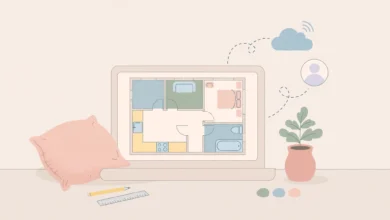
7. Prepare Measurements and Floor Plans
If you have them, dig up any floor plans, blueprints, or past renovation documents before the appointment. If you don’t, take rough measurements yourself.
Useful information to have ready:
- Room dimensions, including ceiling height
- Window and door placements
- Locations of outlets, switches, and vents
- Any structural elements like columns or load-bearing walls you’re aware of
Even basic measurements sketched on paper save real time, since your designer won’t need to remeasure everything from scratch during the first visit. Many designers will still take their own precise measurements later, but having a starting reference speeds up the early planning stages of the interior design process.
8. Involve Everyone Who Lives in the Home
If you share the home with a partner, roommates, or family members who have a stake in the outcome, try to get everyone’s input before the visit rather than after. Mismatched expectations discovered late in a project are one of the most common sources of frustration.
- Ask each person for their top three priorities for the space
- Discuss non-negotiables as a household before the designer arrives
- Decide who will be the main point of contact for decisions going forward
- If possible, have key decision-makers present for the actual visit
According to guidance from the National Kitchen & Bath Association, aligning household decision-makers early is one of the most effective ways to keep a renovation or design project on schedule, since it reduces the back-and-forth that happens when new opinions surface mid-project.
What to Avoid Before Your Interior Designer Visits
A few common mistakes can undercut all the good preparation above:
- Don’t over-clean or stage the home like it’s for sale. Designers want to see how you actually live, not a showroom version of your house.
- Don’t hide problem areas. If a room floods, a closet is always a mess, or a layout never works for your family, say so. That’s exactly the kind of detail that shapes good design decisions.
- Don’t wait until the visit to think about budget. Vague answers on cost slow down every recommendation that follows.
- Don’t collect so much inspiration that it becomes noise. A focused folder beats an overwhelming one.
- Don’t skip the walkthrough beforehand. A quick pass through your home the day before catches things you’ll otherwise forget to mention.
Final Walkthrough Checklist
Before your interior designer visits, do one last pass through your home with this short checklist:
- Clutter cleared from floors, counters, and major surfaces
- Rooms cleaned and well lit
- Inspiration folder or board ready to share
- Written list of pain points and priorities
- Rough budget range in mind
- Minor repairs addressed or noted
- Measurements or floor plans on hand
- Household members aligned on priorities
Running through this list the night before takes less than an hour for most homes and makes a noticeable difference in how productive the first meeting feels.
Conclusion
Getting ready for a designer’s first visit doesn’t require a perfect house, just a prepared one. When you declutter the main spaces, clean and light your rooms well, gather focused inspiration, write down your priorities and budget, handle small repairs, pull together measurements, and get your household on the same page, you give your interior designer everything they need to hit the ground running. That preparation turns the first meeting from a basic information session into a real working conversation about your space, and it sets the tone for a smoother, faster, and more satisfying design project from start to finish.
Keywords: