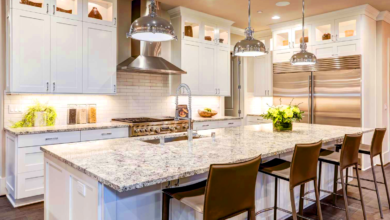
How Much Does a Kitchen Remodel Cost in the USA?
Kitchen remodel cost in the USA broken down by scope, size and region, with real 2026 pricing to help you budget accurately.

Kitchen Remodel Cost: 9 Smart Ways to Avoid Costly Budget Surprises
Kitchen remodel cost is one of the most searched home improvement questions in the country, and for good reason: the honest answer is a much wider range than most people expect. A national average figure sounds reassuring until you realize it’s blending a $12,000 cabinet refresh with a $150,000 gut renovation into a single misleading number.
Across the United States in 2026, most homeowners spend somewhere between $14,600 and $80,000 on a kitchen remodel, with the national average landing around $27,000 to $35,000 depending on which industry report you’re looking at. That’s a genuinely useful starting point, but it only tells part of the story. The real number for your project depends heavily on your kitchen’s size, the scope of work involved, your region, and the materials you choose, and those factors can move your final cost by tens of thousands of dollars in either direction.
This guide breaks down kitchen remodel costs the way an experienced contractor actually would: by project scope, by square footage, by category of spending, and by region, so you can budget with real numbers instead of a single average that may not apply to your home at all. We’ll also cover where your money typically goes, what tends to catch homeowners off guard, and practical ways to control costs without gutting the quality of the finished kitchen. Whether you’re planning a light cosmetic refresh or a full structural renovation, this guide will help you set a realistic, well-informed budget before you ever call a contractor.
What Determines Kitchen Remodel Cost
A kitchen remodel cost depends on far more than square footage alone. Project scope, from a cosmetic refresh to a full layout reconfiguration, has the single biggest impact on total price, followed closely by material and cabinetry choices, regional labor rates, and whether the project involves moving plumbing or electrical systems. Understanding these variables before you start pricing out your own project makes it much easier to interpret contractor quotes and avoid sticker shock partway through.
9 Factors That Shape Your Kitchen Remodel Budget
1. Project Scope: Cosmetic Refresh vs. Full Renovation
The single biggest driver of kitchen remodel cost is scope. Most projects fall into one of three general tiers.
- Minor or cosmetic refresh ($8,000–$28,500): cabinet refacing or repainting, new hardware, updated countertops and a fresh coat of paint, without changing the layout or replacing major systems
- Mid-range remodel ($30,000–$82,000): full cabinet replacement, new premium countertops such as quartz, upgraded flooring and energy-efficient appliances, generally keeping the existing layout intact
- Major or luxury renovation ($80,000–$160,000+): a complete gut renovation that may involve wall removal, plumbing and electrical relocation, custom cabinetry and high-end finishes throughout
Knowing which tier your project realistically falls into before requesting quotes helps you evaluate whether a contractor’s estimate is reasonable or a red flag in either direction.
2. Kitchen Size and Cost Per Square Foot
Kitchen remodels are frequently priced on a per-square-foot basis, which helps standardize comparisons across different home sizes. Nationally, that figure typically lands between $75 and $250 per square foot on the lower end, and up to $500 per square foot for high-end projects involving custom work and premium materials.


- Small kitchens (under 100 sq ft): roughly $9,000 to $30,000
- Medium kitchens (100–200 sq ft): roughly $35,000 to $70,000 for mid-range projects
- Large kitchens (over 200 sq ft): roughly $60,000 to $200,000, depending heavily on scope and materials
3. Cabinetry: The Single Largest Line Item
Cabinetry and hardware consistently account for the largest share of a kitchen remodel budget, typically 25 to 35 percent of total project cost. For a typical kitchen with 20 to 25 linear feet of cabinetry, expect to spend anywhere from $2,000 for stock cabinets to $25,000 or more for custom work.
- Stock cabinets: the most affordable option, available in standard sizes and limited finishes
- Semi-custom cabinets: more size and finish flexibility at a moderate price increase
- Custom cabinets: built to exact specifications, the most expensive option but often necessary for irregular layouts or high-end designs
4. Countertops and Surface Materials
Countertop material choice can swing your budget significantly. Premium natural stone surfaces such as granite and marble typically run $50 to $150 per square foot depending on thickness, color rarity and edge detailing, while engineered quartz offers a similarly upscale look at a somewhat more predictable price point. Laminate and butcher block remain the most budget-friendly options for homeowners prioritizing cost control over premium materials.
5. Labor and Installation Costs
Labor typically accounts for around 25 percent of total renovation costs, though this share climbs significantly on projects involving structural changes, plumbing relocation or electrical rewiring. Hiring a professional kitchen designer, where used, generally costs $65 to $250 per hour and consumes roughly 3 percent of the overall renovation budget. Labor rates vary considerably by region and by the complexity of licensed trades required, particularly in markets with strong union representation or high overall demand for contractors.
6. Appliances and Fixtures
Appliance packages can range from a few thousand dollars for basic, mid-range models to well over $20,000 for a full suite of high-end, professional-grade appliances. Homeowners incorporating smart appliances, induction cooktops or upgraded ventilation systems should budget for additional electrical work to support these features, since older kitchens often weren’t wired with the capacity these upgrades require.
7. Flooring, Lighting and Electrical Work
Flooring, lighting fixtures and any necessary electrical upgrades typically make up a smaller but still meaningful share of the total budget. Demand for upgraded lighting, additional outlets and smart home integration has increased the amount of electrical work included in a typical remodel compared to a decade ago, which is worth factoring into your budget even if your primary focus is cabinetry and countertops.
8. Regional Location
Where you live has a substantial effect on kitchen remodel cost, driven by differences in labor rates, material shipping costs and local demand for contractors.
| Region | Typical Cost Range |
|---|---|
| Northeast | $10,800–$40,400 |
| Northwest | $25,600–$61,100 |
| Southeast | $12,000–$32,200 |
| Southwest | $12,350–$33,950 |
| Midwest | $10,300–$34,300 |
| Mountain Prairie | $6,000–$37,400 |
High-cost metro markets, particularly around Washington D.C., the Northeast corridor and parts of the West Coast, frequently run well above these regional averages due to premium labor rates and elevated material expectations among local buyers.
9. Hidden and Unexpected Costs
Even a carefully planned kitchen remodel budget can be thrown off by costs that only become apparent once work begins. Common surprises include:
- Structural issues discovered once cabinetry or flooring is removed
- Outdated plumbing or electrical systems that need upgrading to meet current code
- Permit fees, which vary significantly by municipality
- Change orders resulting from mid-project design decisions
- Temporary kitchen setup costs if the renovation takes several weeks
Building a contingency of 10 to 20 percent into your budget from the outset is one of the most effective ways to avoid a stressful mid-project scramble for extra funds.
How Kitchen Remodel Costs Break Down by Category
For a typical mid-range remodel, spending generally follows this rough distribution:
- Cabinetry: 25–35% of total budget
- Labor and installation: approximately 25%
- Countertops: 10–15%
- Appliances: 10–15%
- Flooring: 5–10%
- Lighting and electrical: 5–10%
- Design fees and permits: 3–8%
These percentages shift depending on your specific priorities, a homeowner investing heavily in custom cabinetry will naturally see that category consume a larger share, while someone prioritizing a full appliance suite will see spending shift accordingly.
Kitchen Remodel Cost vs. Resale Value
Kitchen remodels remain one of the more reliable home improvements when it comes to resale value, though the return varies by project scope. According to national cost-versus-value research, mid-range major kitchen remodels typically recoup around 50 percent of their cost at resale, while upscale, high-end renovations see a somewhat lower return of roughly 36 percent. For a detailed, regularly updated breakdown of remodeling return on investment, the Cost vs. Value Report from Remodeling Magazine remains one of the most widely cited industry resources.
How to Control Your Kitchen Remodel Budget
- Keep the existing layout where possible. Avoiding plumbing and electrical relocation is one of the most effective ways to control costs, since moving these systems adds both material and labor expense
- Choose semi-custom over fully custom cabinetry if your kitchen’s dimensions are relatively standard
- Get itemized quotes from multiple contractors so you can compare cabinet, labor and material costs individually rather than as a single bundled figure
- Prioritize spending on elements that affect daily function, such as storage and workflow, before splurging on purely aesthetic upgrades
- Set aside a genuine contingency fund rather than budgeting to the exact dollar, since older homes in particular tend to reveal a few surprises once work begins
For homeowners planning a renovation that involves structural changes, it’s also worth reviewing general permitting and building guidance through a resource like the National Association of Home Builders, which publishes research and consumer guidance on remodeling trends and costs across the country.
Final Thoughts
Understanding true kitchen remodel cost starts with recognizing that a single national average rarely applies cleanly to your specific project. Scope, square footage, cabinetry choices, regional labor rates and the condition of your home’s existing systems all shape your final number far more than any one headline figure can capture. Use the tiered ranges and category breakdowns in this guide as a realistic starting point, get itemized quotes from more than one contractor, and build in a genuine contingency before work begins. Approached this way, a kitchen remodel becomes a well-planned investment in your home rather than an open-ended expense that grows the further into the project you get.
Keywords: