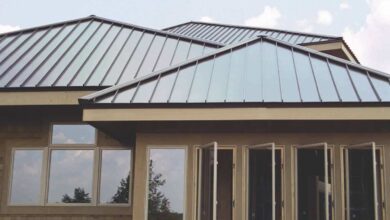
Roofing Ideas Perfect for Coastal Homes in Western Australia
Roofing ideas for coastal homes in Western Australia that handle salt air, harsh UV, and cyclone conditions without early corrosion.
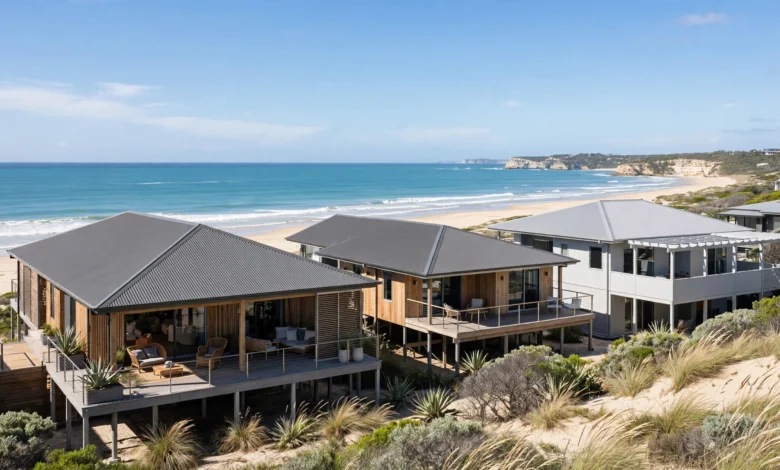
Roofing Ideas for Coastal Homes in Western Australia: 7 Smart Solutions to Outlast the Salt Air
Roofing ideas for coastal homes in Western Australia need to solve a problem that inland properties simply don’t face: salt. Whether you’re along the stretch from Perth down to Margaret River, up around Geraldton, or further north into the Pilbara and Kimberley, salt-laden air is constantly settling on roof surfaces, and it’s relentless about finding weak points in materials, fixings, and coatings that were never designed for it. Add in some of the harshest UV exposure in the country and, in the north, genuine cyclone risk, and it’s easy to see why a roof that performs perfectly well in Melbourne or Adelaide can fail within a decade near the WA coast.
The homeowners who get this right aren’t necessarily spending more, they’re spending smarter. Choosing the right roofing material, the right coating, and the right fixings for a coastal environment often costs about the same as choosing the wrong ones, but the lifespan difference can be twenty years or more.
This guide walks through the best roofing options for coastal properties in WA, covering material choices suited to salt exposure, colour and coating decisions that actually matter in this climate, cyclone-rated considerations for the state’s north, and the maintenance habits that keep a coastal roof performing as long as it’s designed to. Whether you’re building new, replacing an ageing roof, or just trying to understand why your current one is corroding faster than expected, the fundamentals below apply across the WA coastline.
Why Coastal Roofing in Western Australia Needs a Different Approach
Standard roofing products are typically tested and rated for general Australian conditions, not the specific combination WA’s coast presents. Three factors compound here in a way that’s harder to find anywhere else in the country:
- Salt-laden air, carried inland by consistent coastal winds, accelerates corrosion on metal roofing, fixings, and flashing far faster than in non-coastal regions
- Extreme UV exposure, among the highest in Australia, which degrades coatings, seals, and some roofing membranes faster than manufacturers’ standard warranties often assume
- Cyclone risk in the north, from Exmouth up through the Pilbara and Kimberley, which demands wind-rated roofing systems well beyond what southern WA properties require
Together, these mean a roof spec that works fine in Bunbury might genuinely fail early in Port Hedland, and a roof built for Port Hedland’s wind rating is often overbuilt (and overpriced) for a quiet property in Dunsborough. Matching the roofing choice to the specific coastal zone is the first real decision to get right.
1. Choose Marine-Grade Metal Roofing Over Standard Steel
Metal roofing is popular across WA for good reason, it’s durable, lightweight, and handles the state’s heat well, but not all metal roofing is equal when salt exposure is involved. Marine-grade steel roofing, typically coated with a heavier zinc-aluminium alloy layer specifically rated for severe marine environments, resists the pitting and corrosion that standard Colorbond or Zincalume products develop within a handful of years when installed too close to the coast.
As a general guide:
- Within 100 metres of breaking surf, marine-grade coatings are essentially mandatory for acceptable longevity
- 100 metres to 1 kilometre, a mid-tier coastal-rated product is usually sufficient
- Beyond 1 kilometre, standard coastal-rated steel typically performs well, though local wind patterns can push effective salt exposure further inland than distance alone suggests
Manufacturers like BlueScope publish specific coastal application guidelines, and checking a product’s rated distance from the coastline before installation avoids a very common and very expensive mistake.
2. Consider Tile Roofing for Salt-Heavy Zones
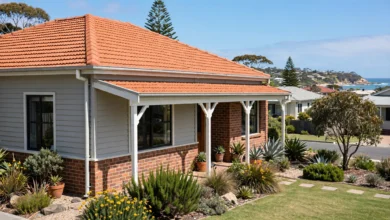
Concrete and terracotta tile roofing doesn’t corrode the way metal can, which makes it a genuinely strong option for properties sitting right on the coastline where salt exposure is at its most aggressive. Tiles handle WA’s UV exposure well too, particularly terracotta, which tends to hold its colour longer than painted or coated products exposed to constant sun.
The trade-offs worth knowing:
- Weight: tile roofing is significantly heavier than metal, so it needs to be factored into the structural design, particularly for renovations rather than new builds
- Wind performance: in cyclone-prone areas, tile roofing requires specific fixing systems rated for the relevant wind category, and not every tile product is rated for the higher cyclone zones in WA’s north
- Maintenance: tiles can crack from impact or movement over time and need periodic checking, though individual tile replacement is usually straightforward compared to patching a metal roof
For homes on exposed headlands or directly facing prevailing coastal winds, tile is often the more forgiving long-term choice precisely because it sidesteps the corrosion issue entirely.
3. Prioritise Corrosion-Resistant Fixings and Flashing
This is the detail that gets missed most often, and it’s arguably more important than the roofing material itself. A high-quality marine-grade roof sheet fixed with standard fasteners will still fail early, because the fixings corrode first and compromise the whole system. Coastal roofing installations in WA should use:
- Stainless steel or specifically coastal-rated fasteners, not standard galvanised screws
- Compatible flashing materials that won’t cause galvanic corrosion when in contact with the main roofing material (mixing incompatible metals accelerates corrosion in both)
- Sealed penetrations for roof vents, skylights, and solar mounting brackets, checked and resealed periodically since sealants degrade faster under WA’s UV levels
A roof is only as strong as its weakest fixing point, and in a coastal environment, that’s very often where problems start.
4. Choose Roof Colours Strategically for Heat and UV
Roof colour in WA isn’t just an aesthetic decision, it has a real impact on both energy efficiency and material longevity. Darker roofs absorb significantly more heat, which increases cooling costs through summer and can accelerate the breakdown of some coatings and sealants under sustained high temperatures.
- Lighter colours (pale greys, off-whites, light blues) reflect more heat, keeping roof surface temperatures lower and reducing cooling load, particularly valuable in WA’s hotter inland-facing coastal towns
- Mid-tone coastal colours (soft blues, sandy tones) are popular for blending with the coastal aesthetic while still offering reasonable heat performance
- Darker roofs, while visually striking on some coastal architecture, generally perform worse for both energy efficiency and long-term coating durability in WA’s climate and are worth choosing deliberately rather than by default
Reflective or “Cool Roof” rated coatings are increasingly available across both metal and tile products and are worth the modest premium in a climate this consistently hot.
5. Build In Cyclone Resistance for Northern WA Properties
For coastal homes from Exmouth northward through the Pilbara and into the Kimberley, roofing needs to meet significantly higher wind-load standards than properties further south. This isn’t optional; it’s governed by the National Construction Code and Australian Standards for wind classification, and non-compliant roofing in these zones creates both safety risk and insurance complications.
Key considerations for cyclone-prone coastal roofing:
- Correct wind rating classification (N or C category depending on location) confirmed with a structural engineer or accredited building certifier
- Reinforced fixing patterns, with significantly more fasteners per square metre than standard wind zones require
- Impact-rated materials in areas at risk of wind-borne debris
- Properly rated eaves and overhangs, since uplift failure often starts at roof edges rather than the main roof plane
The Australian Building Codes Board maintains current wind classification maps and construction requirements that apply directly to roofing decisions in these regions, and it’s a worthwhile reference before finalising any coastal roofing project in WA’s cyclone zones.
6. Improve Roof Ventilation for Coastal Humidity and Heat
Good ventilation matters everywhere, but it does extra work on WA’s coast, where humidity from sea air combines with high daytime temperatures to create conditions that can trap moisture in roof cavities if airflow isn’t managed properly. Poor ventilation contributes to:
- Condensation build-up inside the roof space, which accelerates corrosion on the underside of metal roofing
- Reduced insulation performance, as damp insulation loses much of its effectiveness
- Higher cooling costs, since trapped hot air in the roof cavity radiates back into living spaces below
Ridge ventilation, whirlybirds, and properly sized eave vents are all straightforward additions that meaningfully extend roof lifespan in coastal conditions, and they’re a relatively small cost to add during a new roof installation compared to retrofitting later.
7. Set a Realistic Coastal Maintenance Schedule
Even the best-matched roofing material and coating benefits from regular attention in a salt-heavy environment. A sensible maintenance routine for WA coastal properties includes:
- Rinsing the roof with fresh water every few months, particularly after storms or periods of strong onshore wind, to reduce salt build-up on the surface
- Checking fixings and flashing annually, looking specifically for early rust spots or lifted sealant
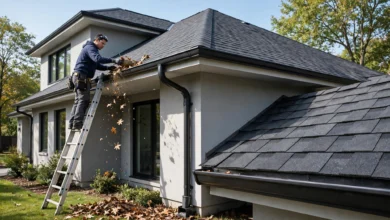
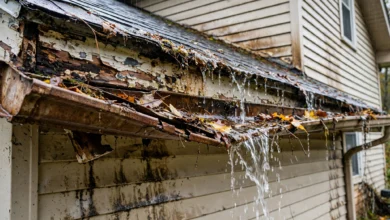
- Clearing gutters regularly, since salt residue combined with debris accelerates gutter corrosion faster than debris alone
- Inspecting after cyclone season in the north, checking for loosened fixings, cracked tiles, or lifted sheet edges even where no obvious damage occurred
Homeowners who build this into a twice-yearly habit consistently get more years out of their roofing investment than those who only look at the roof when something’s visibly wrong.
Comparing Roofing Materials for WA Coastal Homes
| Material | Salt Resistance | Cyclone Suitability | Relative Cost | Best For |
|---|---|---|---|---|
| Marine-grade steel | High (with correct coating) | Strong when properly fixed | Mid-range | Most coastal properties within a few km of the coast |
| Concrete/terracotta tile | Very high (no corrosion) | Good with correct fixing system | Mid to high | Properties directly on the coastline, heavier structures |
| Standard steel (non-marine) | Poor near coast | Variable | Lower | Inland properties only, not recommended near the coast |
| Membrane/flat roofing | Moderate | Requires specific detailing | Mid-range | Modern architectural coastal builds with low-slope design |
Conclusion
Roofing ideas for coastal homes in Western Australia ultimately come down to respecting three forces that inland roofs never have to deal with: relentless salt exposure, some of the harshest UV in the country, and, further north, genuine cyclone-strength wind. Choosing marine-grade metal or tile roofing matched to your actual distance from the coast, insisting on corrosion-resistant fixings, picking a colour that manages heat sensibly, and meeting proper wind-rating requirements in cyclone zones are the decisions that separate a roof that lasts thirty-plus years from one that needs replacing in ten. Add a simple, consistent maintenance routine, rinsing salt build-up and checking fixings a couple of times a year, and a coastal WA roof can genuinely go the distance the climate otherwise makes difficult.
Keywords: