How Weather Affects Your Roof and Gutters Year-Round
How weather affects your roof and gutters year-round, season by season, and what homeowners can do to prevent lasting damage.
How Weather Affects Your Roof and Gutters: 4 Seasons of Damage You Can’t Ignore
How weather affects your roof and gutters is something most homeowners don’t think about until a leak shows up or a gutter pulls away from the house. But your roof is exposed to every temperature swing, storm, and dry spell your climate throws at it, all year long, and each season leaves its own kind of wear behind. Understanding what’s actually happening up there season to season makes it a lot easier to catch small problems before they turn into expensive ones.
It’s easy to assume roof damage only happens during dramatic events like hailstorms or hurricanes. In reality, a lot of the damage builds up slowly and quietly. Sun exposure breaks down shingle granules over years, not days. Freeze-thaw cycles widen tiny cracks a little more with every winter. Gutters sag gradually under the weight of wet leaves long before anyone notices water pooling near the foundation. By the time damage is visible from the ground, it’s often been developing for a while.
In this guide, we’ll break down how weather affects roofing and gutters across all four seasons, covering the specific damage mechanisms behind sun, rain, wind, snow, and temperature swings, along with practical steps you can take to protect your roof no matter what climate you live in.
Why Weather Is the Single Biggest Factor in Roof Lifespan
Manufacturers rate roofing materials for a certain lifespan under normal conditions, but “normal” varies enormously depending on where you live and what your roof actually experiences year to year. A roof in a hot, sunny climate ages differently than one in a region with heavy snow, and a roof that sees frequent hail wears down faster than one in a milder area.
According to the Insurance Institute for Business & Home Safety, weather-related damage, including wind, hail, and prolonged moisture exposure, is among the leading causes of roof failure and insurance claims in the United States. That’s a strong reminder that weather isn’t a background factor in roof performance, it’s often the primary driver of when a roof needs repair or replacement.
How Winter Weather Affects Roofs and Gutters
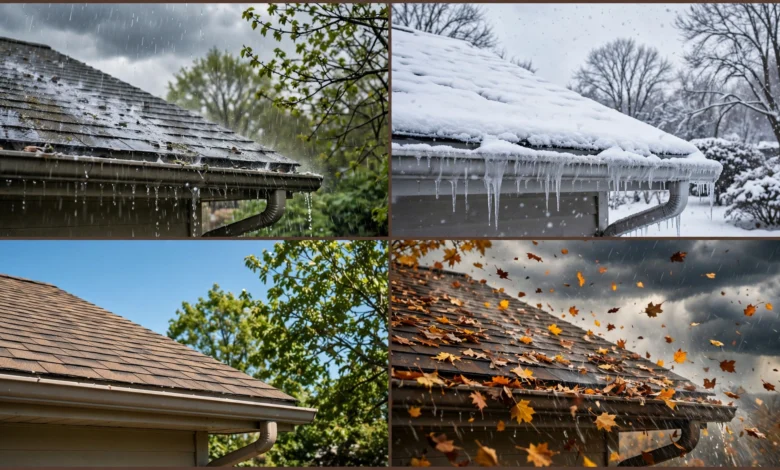
Winter tends to be the harshest season for roofing systems, largely because of the freeze-thaw cycle and the added weight of snow and ice.
- Ice dams form when heat escaping from the attic melts snow on the upper roof, which then refreezes at the colder eaves. This trapped ice can force water backward under shingles, leading to leaks even when the roof itself is in decent condition.
- Snow load adds significant weight to a roof structure. While most roofs are built to handle typical snowfall, heavy or wet snow accumulation over time can stress the frame, especially on older homes or roofs with existing structural issues.
- Freeze-thaw cracking happens when moisture seeps into small cracks in shingles, flashing, or sealant, then expands as it freezes overnight. Repeated freezing and thawing widens these cracks gradually, which is why winter damage often isn’t obvious until spring.
- Gutter freezing can cause ice to expand inside the gutter channel itself, pulling seams apart or bending brackets, which shows up as sagging or leaking once temperatures rise.
Preventing Winter Roof and Gutter Damage
- Keep attic insulation and ventilation in good condition to reduce uneven roof surface temperatures.
- Clear heavy snow buildup with a roof rake rather than climbing onto an icy roof.
- Watch for large icicles, which often indicate an ice dam is forming.
- Make sure gutters are clear of debris before the first freeze, since clogged gutters freeze and expand more easily than clear ones.
How Spring Weather Affects Roofs and Gutters
Spring is when winter’s damage typically becomes visible, and it brings its own set of weather challenges too.

- Heavy rainfall tests every weak point in your roofing and gutter system. Cracks that formed over winter often reveal themselves during the first heavy spring storms, showing up as water stains on ceilings or damp patches in the attic.
- High winds are common during spring storm systems and can lift or tear loose shingles, particularly ones already weakened by winter freeze-thaw cycles.
- Rapid temperature swings between warm days and cold nights continue to stress roofing materials, especially in regions where spring weather is unpredictable.
- Pollen and debris buildup in gutters can accelerate during spring, especially in wooded areas, contributing to clogs right as heavier rain arrives.
What to Check After Spring Storms
- Look for granule loss in gutters, a sign of aging or storm-damaged shingles
- Check attic spaces for new water stains after heavy rain
- Inspect gutters for sagging sections or separated seams
- Clear any debris that accumulated over the winter months
How Summer Weather Affects Roofs and Gutters
Summer heat and storms create a different kind of stress on roofing systems, one driven more by UV exposure and sudden severe weather than by moisture and freezing.
- UV radiation is one of the most underestimated causes of roof aging. Constant sun exposure breaks down the oils in asphalt shingles over time, causing them to become brittle and prone to cracking. This is a gradual process, but it’s one of the main reasons roofs in sunnier climates often need replacement sooner than roofs in cloudier regions.
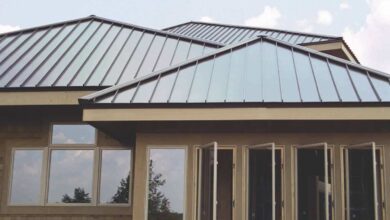
- Thermal expansion and contraction happens as roofing materials heat up during the day and cool at night. Metal roofing, in particular, expands and contracts with temperature shifts, which is why proper installation with room for movement matters.
- Severe thunderstorms and hail can cause sudden, significant damage, including dented gutters, bruised or cracked shingles, and in worse cases, punctures that lead to immediate leaks.
- High humidity contributes to moss and algae growth on roofing surfaces, particularly in shaded areas, which can trap moisture against shingles and shorten their lifespan.
Reducing Summer Heat Damage
- Ensure attic ventilation is adequate to reduce trapped heat, which can accelerate shingle aging from underneath.
- Consider reflective or “cool roof” rated materials if you’re in a consistently hot, sunny climate.
- Inspect for hail damage after any significant summer storm, even if damage isn’t immediately visible from the ground.
- Clean gutters after storms to prevent debris buildup from trapping moisture against the roofline.
How Fall Weather Affects Roofs and Gutters
Fall is a transitional season, and its biggest impact on roofing systems comes down to one thing: leaves.
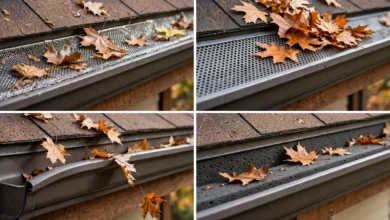
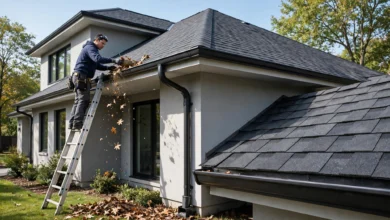
- Leaf accumulation in gutters is the most common fall issue homeowners face. Wet leaves pack together and block water flow, which can lead to overflow during fall rains and add significant weight to gutter brackets.
- Cooling temperatures begin the freeze-thaw cycle again, particularly in regions where nighttime temperatures start dropping below freezing while days remain mild.
- Early frost can affect roofing materials that were softened by summer heat, sometimes creating brittleness before winter fully sets in.
- Wind from fall storm systems can knock debris onto roofs and into gutters, compounding leaf-related clogs.
Fall Maintenance Priorities
- Clean gutters more than once if you have significant tree coverage nearby
- Install gutter guards if recurring clogs are a persistent problem
- Inspect and reseal flashing before winter moisture becomes an issue
- Check attic insulation levels ahead of the coldest months
How Wind Affects Roofing Year-Round
Wind deserves its own mention because it’s a factor in every season, not just during named storms.
- Sustained wind can gradually loosen shingles at the edges and corners of a roof, areas that are more exposed to wind uplift than the center of the roof.
- Wind-driven rain pushes moisture into small gaps around flashing, vents, and shingle edges that wouldn’t normally let water through under calm conditions.
- Debris impact during high winds, from branches to loose items in the yard, is a common cause of dents, punctures, and granule loss.
The National Weather Service notes that wind damage to roofing is a factor across a wide range of storm types, not just hurricanes or tornadoes, since even routine severe thunderstorms can generate gusts strong enough to lift improperly secured shingles.
How Temperature Swings Affect Roofing Materials
Beyond seasonal patterns, the day-to-day temperature swings within a single season also matter more than most homeowners realize.
- Asphalt shingles expand slightly in heat and contract in cold. Frequent, sharp swings accelerate the natural aging process, particularly around nail penetrations and seams.
- Metal roofing handles temperature swings well overall but requires installation methods that allow for expansion and contraction, otherwise panels can buckle or fasteners can loosen over time.
- Sealants and flashing are often the first components to fail under repeated temperature stress, since they’re smaller and more rigid than the surrounding roofing material.
How Gutters Specifically Respond to Weather Changes
Gutters face a slightly different set of pressures than the roof surface itself.
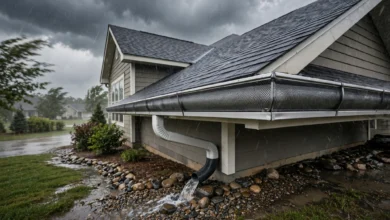
- Heavy rain tests gutter capacity directly, and undersized or clogged gutters overflow quickly during intense storms, sending water against siding and foundations.
- Ice and snow add weight and can cause gutters to pull away from fascia boards, especially if brackets were already loose or corroded.
- Wind can rattle gutters loose over time, particularly at corners and seams where they’re more vulnerable.
- Debris buildup from leaves, pine needles, and seed pods varies by season but is a near-constant maintenance factor depending on the trees near your home.
Building a Year-Round Roof and Gutter Maintenance Habit
Because weather affects roofing differently in every season, a single annual inspection often isn’t enough. A more effective approach looks like this:
| Season | Primary Weather Risk | Key Action |
|---|---|---|
| Winter | Ice dams, snow load, freeze-thaw cracking | Monitor insulation, clear heavy snow safely |
| Spring | Heavy rain, wind, storm damage reveal | Inspect for winter damage, clean gutters |
| Summer | UV exposure, hail, thermal expansion | Check ventilation, inspect after storms |
| Fall | Leaf clogs, early frost, wind debris | Thorough gutter cleaning, reseal flashing |
Sticking to this kind of seasonal rhythm makes it much easier to catch weather-related wear while it’s still a minor fix rather than a major repair.
Conclusion
Weather shapes the condition of your roof and gutters every single day, not just during major storms, and understanding how each season contributes its own kind of wear is one of the most useful things a homeowner can know. Winter’s freeze-thaw cycles and ice dams, spring’s heavy rain and wind, summer’s UV exposure and hail, and fall’s leaf-driven gutter clogs each chip away at your roofing system in different ways, and left unchecked, they compound into bigger, costlier problems. By building a seasonal inspection habit and addressing small issues as they appear, rather than waiting for a visible leak, you can significantly extend the life of your roof and gutters no matter what climate you call home.
10 Keywords: