How to Plan a Garden That Blooms All Year
Learn how to plan a garden that blooms all year with seasonal plant choices, layering techniques, and simple design tips.
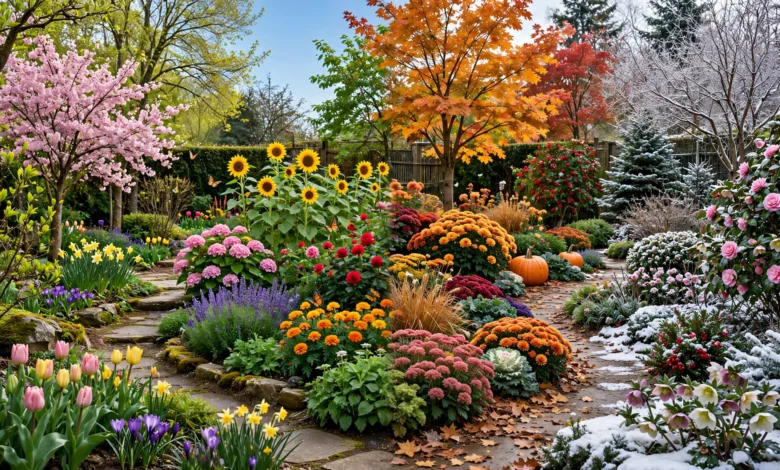
7 Proven Ways to Plan a Garden That Blooms All Year
Introduction
Learning how to plan a garden that blooms all year is one of those goals that sounds ambitious until you break it down into manageable pieces. Most gardens have a moment of glory, usually late spring or early summer, followed by weeks of green foliage and not much else. By the time autumn rolls around, things start looking tired, and winter often means an empty, lifeless yard until the cycle starts over.
The good news is that continuous bloom isn’t about luck or having a huge budget. It comes down to understanding bloom times, layering different plant types, and thinking about your garden as a rotating cast rather than a single performance. A well-planned garden has something stepping into the spotlight just as something else is fading, so there’s rarely a dead stretch where nothing is happening.
This guide walks through a practical, season-by-season approach to building a garden with year-round interest, covering plant selection, layout strategy, and a few maintenance habits that keep the display going. Whether you’re starting from scratch or reworking an existing bed that peaks for three weeks and then goes quiet, these ideas will help you build something that actually holds visual interest across every season. It takes a bit of planning up front, but the payoff is a garden that feels alive no matter what month it is.
Understand Bloom Seasons Before You Plant
The foundation of a garden that blooms all year is knowing exactly when different plants flower, and building your layout around that timing rather than around what looks good at the nursery on a single spring afternoon.
Map Out the Four Bloom Seasons
Before buying anything, it helps to sketch a rough calendar of early spring, late spring into summer, late summer into autumn, and winter. For each season, aim to have at least two or three plants that peak during that window. This prevents the common trap of loading up on spring bulbs and summer annuals while leaving autumn and winter completely bare.
Research Bloom Times for Your Climate Zone
Bloom timing shifts depending on your hardiness zone, so a plant that flowers in April in one region might bloom in June somewhere colder. The Missouri Botanical Garden’s plant finder is a reliable resource for checking bloom times, sun needs, and zone suitability before committing to a plant, available at missouribotanicalgarden.org.
Choose a Mix of Perennials, Annuals, and Bulbs
Relying on just one plant category is the most common reason gardens fall flat outside their peak season. A genuine year-round blooming garden needs a deliberate mix.


Build a Perennial Backbone
Perennials return year after year and form the structural foundation of the garden. Choosing perennials with staggered bloom times, such as early-blooming hellebores, mid-season coneflowers, and late-season sedum, gives you a reliable base of color without replanting each year.
Fill Gaps With Annuals
Annuals bloom for a single season but often flower more continuously and intensely than perennials during that window. Using annuals like petunias, zinnias, or marigolds to fill gaps between perennial bloom cycles keeps color present even when your perennial backbone is between flowering stages.
Layer in Bulbs for Early and Late Color
Spring bulbs like tulips, daffodils, and crocus provide some of the earliest color of the year, often blooming before most perennials have even woken up. Fall-planted bulbs and late bloomers like autumn crocus extend color into the cooler months, bridging gaps that summer plants can’t fill.
Design With Seasonal Layers in Mind
Once you understand bloom timing and plant categories, the next step is arranging everything so the garden reads well no matter which season you’re looking at it in.
Plan for Spring Interest First
Spring is when most gardens naturally shine, so this is often the easiest season to plan. Combine early bulbs, flowering shrubs like forsythia or azalea, and emerging perennial foliage to create a strong opening act for the year.
Carry the Show Into Summer
Summer is typically the longest bloom window, giving you room to layer in heat-loving perennials like coneflower, black-eyed Susan, and daylilies alongside annuals for continuous color. This is also the season where garden succession planning matters most, since early summer bloomers need to be paired with mid- and late-summer varieties to avoid a lull in July or August.
Don’t Neglect Autumn Color
Many gardeners stop planning once summer ends, but autumn offers real opportunity. Asters, ornamental grasses, sedum, and mums provide color well into the cooler months, while trees and shrubs with strong fall foliage, like Japanese maple or burning bush, add visual interest even after flowers fade.
Add Winter Structure and Interest
Winter interest doesn’t have to mean flowers. Evergreen shrubs, ornamental bark, seed heads left standing rather than cut back, and plants like winterberry holly or hellebores (which bloom in late winter in many zones) keep a garden from looking completely dead during the coldest months.
Use Layering Techniques for Continuous Bloom
Beyond seasonal planning, physical layering within a bed helps maximize both bloom coverage and visual depth.
Plant in Drifts, Not Single Specimens
Grouping several of the same plant together in a drift, rather than scattering single plants throughout a bed, creates a stronger visual impact and makes bloom gaps less noticeable when one variety finishes flowering.
Combine Different Heights
Layering tall background plants, mid-height fillers, and low border plants creates depth and ensures that as one layer finishes blooming, another remains visually active. This vertical layering is especially useful in smaller beds where horizontal space is limited.
Interplant Bulbs Among Perennials
Tucking spring bulbs directly among later-emerging perennials means the bulb foliage, which can look messy as it dies back, gets naturally hidden by the perennial growth that follows. This is a simple trick that keeps beds looking tidy across the transition between seasons.
Maintain Your Garden for Continuous Color
Planning is only half the equation. A few ongoing habits keep the bloom cycle going rather than tapering off partway through the season.
Deadhead Regularly
Removing spent blooms redirects a plant’s energy into producing new flowers rather than setting seed. Regular deadheading on repeat-blooming plants like roses, salvia, and many annuals can extend their flowering window by weeks.
Fertilize on a Seasonal Schedule
Light, consistent feeding throughout the growing season supports continuous blooming, especially for heavy-flowering annuals and repeat-bloom perennials. Over-fertilizing, particularly with high-nitrogen products, can push leafy growth at the expense of flowers, so a balanced, bloom-specific fertilizer generally works best.
Water Consistently
Inconsistent watering stresses plants and can shorten bloom periods significantly. Deep, regular watering, adjusted for rainfall and season, keeps plants strong enough to keep producing flowers rather than shutting down to conserve energy.
Prune With Bloom Timing in Mind
Pruning at the wrong time can accidentally remove next season’s flower buds. Shrubs that bloom on old wood, like lilac, should be pruned right after flowering, while those that bloom on new growth can typically be pruned in late winter without losing blooms. The Royal Horticultural Society provides detailed pruning calendars organized by plant type, available at rhs.org.uk.
Practical Planning Checklist for a Year-Round Blooming Garden
Pulling everything together, here’s a simple checklist to work through when planning or reworking a bed:
- List your bloom seasons and identify at least two to three plants flowering in each.
- Choose a perennial backbone with staggered bloom times across the growing season.
- Add bulbs for early spring and late-season color.
- Fill remaining gaps with annuals for continuous, high-impact color.
- Layer plants by height to add depth and hide fading foliage.
- Plan for winter structure using evergreens, bark interest, or seed heads.
- Set a maintenance rhythm for deadheading, feeding, and seasonal pruning.
Common Mistakes That Break the Bloom Cycle
Even a well-intentioned plan can fall apart with a few avoidable missteps.
- Overloading on spring bloomers and leaving summer, autumn, and winter thin.
- Ignoring bloom time labels on plant tags, leading to accidental clustering of flowering periods.
- Skipping deadheading, which shortens the productive bloom window on many plants.
- Planting without considering mature height, which can cause taller plants to shade out shorter, later-blooming varieties.
- Forgetting winter interest entirely, leaving the garden bare for several months each year.
Conclusion
Building a garden that blooms all year comes down to treating bloom time as seriously as color, height, or plant type when making selections. By mapping out the four seasons, layering perennials, annuals, and bulbs with staggered bloom windows, and maintaining the garden with regular deadheading, feeding, and well-timed pruning, you can avoid the common dead stretches that leave most gardens looking tired for weeks at a time. It takes a bit of upfront planning and a willingness to think beyond the initial spring rush, but the result is a garden that stays genuinely interesting no matter what time of year you step outside. Start with the season you’re in right now, fill the gaps around it, and build from there.