Gardening Tips for Homes in Melbourne
Practical gardening tips for homes in Melbourne, covering soil, watering, seasons and plant choices suited to the local climate.
Gardening Tips for Homes in Melbourne: 13 Proven Ways to Grow a Thriving Garden
Introduction
Melbourne is famous for its unpredictable weather, and anyone who has tried to keep a garden alive here knows the frustration of planning around it. One week you’re dealing with baking heat, the next you’re pulling out a jumper and watching frost settle on the lawn. If you’ve ever wondered why your garden doesn’t look like the ones in magazines, the answer usually isn’t a lack of effort. It’s that generic gardening advice doesn’t account for Melbourne’s specific mix of clay soils, shifting rainfall, and that famous four-seasons-in-one-day pattern.
These gardening tips for homes in Melbourne are built around what actually works in this city, not a one-size-fits-all approach borrowed from Sydney’s humidity or Perth’s sandy soil. Whether you’ve got a small courtyard in Fitzroy, a suburban block in the outer east, or a windy coastal garden down in Frankston, the principles below will help you work with the local conditions instead of against them.
We’ll cover soil, plant selection, watering, seasonal care, pest control, and small-space solutions, so by the end you’ll have a practical plan rather than a list of vague suggestions. Let’s get into it.
Understanding Melbourne’s Climate and Soil
Before you plant anything, it helps to understand what you’re actually working with. Melbourne sits in a temperate oceanic climate zone, but it behaves more erratically than that label suggests.
Melbourne’s “Four Seasons in One Day”
The saying isn’t just a joke locals tell tourists. Melbourne’s weather is shaped by its position between the cooler Southern Ocean and the hot inland plains, which means a warm northerly wind can flip to a cold southerly change within hours. For gardeners, this means:
- Young seedlings and tender plants need protection from sudden temperature swings
- Wind-resistant staking is worth the extra ten minutes it takes
- Watering schedules need to be flexible rather than fixed to a strict calendar
Checking the Bureau of Meteorology’s Melbourne forecast a few times a week, rather than relying on a weekly routine, will save you a lot of wilted plants.
Soil Types Across Melbourne
Soil varies a surprising amount across the metro area. The inner and eastern suburbs often sit on heavy clay, which holds water and nutrients well but drains poorly and can set like concrete in summer. Bayside and southeastern suburbs tend toward sandier soils that drain fast but lose nutrients quickly. The northern suburbs are a mixed bag, often with basalt-derived clay that’s fertile but tough to dig.
Knowing your soil type changes almost every decision you make afterward, from what you plant to how often you water. A simple jar test (mix soil with water in a clear jar, let it settle overnight, and look at the layers) will tell you roughly what you’re dealing with without spending a cent.
Choosing the Right Plants for Melbourne Gardens
Plant selection is where most new gardeners go wrong. Picking plants suited to Melbourne’s conditions is one of the most effective gardening tips for homes in Melbourne you’ll find, because it reduces almost every other problem down the line.
Native Plants Suited to the Local Climate
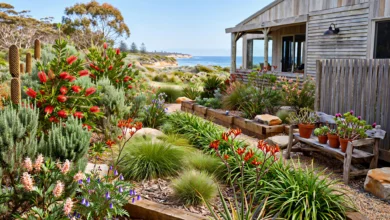
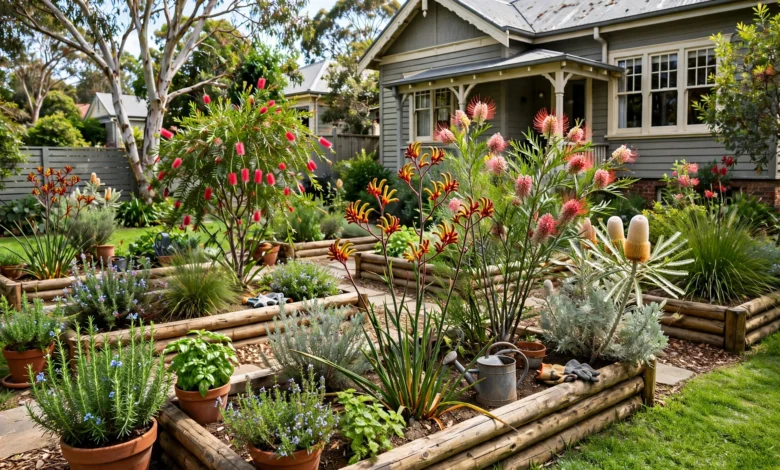
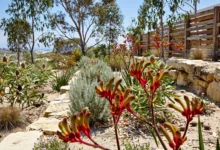
Australian native plants have evolved to handle Melbourne’s dry summers and wet winters, which makes them lower maintenance once established. Good options include:
- Correa (native fuchsia) for shaded or part-shaded spots
- Grevillea varieties for pollinator-friendly colour and drought tolerance
- Lomandra for hardy, low-maintenance borders and erosion control
- Westringia (native rosemary) as a wind-tolerant hedge, especially useful in bayside gardens
Natives generally need less fertiliser and less water once their root systems are established, which is a real advantage during Melbourne’s dry summer stretches.
Drought-Tolerant Exotic Varieties
If you want a mix of native and exotic planting, look for Mediterranean-climate plants that share similar rainfall patterns to Melbourne. Lavender, rosemary, salvias, and olive trees all cope well with dry summers and cooler, wetter winters. These plants also tend to attract bees and other beneficial insects, which helps the rest of your garden.
Watering Wisely in a Water-Conscious City
Melbourne has been through serious droughts, and water restrictions are a real possibility most summers. Smart watering isn’t just about saving money on your bill, it’s about keeping your garden alive through dry spells without wasting a resource that’s genuinely limited.
Build a Sensible Watering Schedule
- Water early morning or in the evening to reduce evaporation loss
- Deep, infrequent watering encourages roots to grow downward, making plants more drought-resilient
- Avoid watering during the heat of the day, when most of it simply evaporates before reaching the roots
- Check Melbourne Water’s current restriction levels before setting up automated systems, since rules can change seasonally
Mulching Makes a Bigger Difference Than People Expect
A 5–7cm layer of mulch around garden beds can cut water evaporation significantly and suppress weeds at the same time. Organic mulches like pea straw or eucalyptus mulch also break down over time, improving soil structure. It’s a small job that pays off across the whole growing season.
Consider a Water-Saving System
Drip irrigation and soaker hoses deliver water directly to plant roots rather than spraying it across leaves and paths, cutting waste substantially. If you’re renovating a garden bed anyway, it’s worth installing irrigation lines while the soil is already exposed. Sustainability Victoria has useful guidance on water-efficient gardening practices that’s worth a read before you commit to a system.
Soil Preparation and Composting Tips
Good soil is the foundation of every successful garden, and Melbourne’s clay-heavy soils in particular benefit from ongoing improvement rather than a one-time fix.
Improving Clay Soil
- Add organic matter such as compost or aged manure every season to improve drainage and aeration
- Avoid working clay soil when it’s wet, as this compacts it further and undoes any progress
- Gypsum can help break up compacted clay over time, particularly in beds that have never been amended before
Starting a Home Compost System
Composting kitchen scraps and garden waste is one of the simplest ways to improve soil for free. A basic setup needs:
- A bin or enclosed compost area with good airflow
- A mix of “greens” (vegetable scraps, grass clippings) and “browns” (dry leaves, cardboard)
- Regular turning every one to two weeks to speed decomposition
- Patience, since good compost typically takes two to six months depending on the season
Many Melbourne councils offer subsidised compost bins and worm farms, so it’s worth checking your local council’s website before buying one at full price.
Seasonal Gardening Tips for Melbourne
Because Melbourne’s seasons are distinct even if they’re unpredictable day to day, timing your gardening tasks around them makes a real difference.
Spring (September to November)
Spring is prime planting season. Soil is warming up and rainfall is generally reliable. Focus on:
- Planting summer vegetables like tomatoes, capsicum, and zucchini after the last frost risk passes
- Dividing overcrowded perennials
- Applying a slow-release fertiliser to give plants a strong start
Summer (December to February)
Summer brings heat waves and potential water restrictions. Prioritise:
- Deep watering in early morning rather than frequent shallow watering
- Providing shade cloth for vulnerable plants during extreme heat events
- Harvesting vegetables regularly to encourage continued production
Autumn (March to May)
Autumn is one of the best times for planting in Melbourne, since the soil is still warm but the harsh summer heat has passed. Good tasks include:
- Planting trees, shrubs, and natives so roots establish before winter
- Sowing winter vegetables like broccoli, spinach, and peas
- Clearing summer debris and topping up mulch
Winter (June to August)
Winter is quieter but not empty. Melbourne winters bring frost risk in outer suburbs, so:
- Protect frost-sensitive plants with covers overnight
- Prune deciduous trees and roses while they’re dormant
- Plan next season’s garden layout and order seeds early
Dealing with Melbourne’s Pests and Diseases
Every garden attracts pests eventually, and Melbourne has its own common culprits worth knowing about in advance.
Common Pests to Watch For
- Aphids on new growth, especially in spring
- Snails and slugs, particularly active after rain in shaded, damp gardens
- Possums, which can strip vegetable patches and fruit trees overnight in leafier suburbs
Practical, Low-Toxicity Control Methods
- Companion planting with strong-scented herbs like basil or marigold can deter some pests naturally
- Beer traps or crushed eggshells around vulnerable plants help manage snails without chemicals
- Netting fruit trees and veggie beds is often more effective against possums than repellent sprays
Keeping a close eye on your garden every few days makes it far easier to catch problems early, before an infestation gets out of hand.
Small Space and Courtyard Gardening Tips
Not every Melbourne home has a sprawling backyard, and inner-city courtyards or apartment balconies come with their own set of challenges.
Vertical Gardening Solutions
- Wall-mounted planters and trellises make use of vertical space without eating into floor area
- Climbing plants like jasmine or climbing beans can soften fences while producing flowers or food
- Hanging baskets work well for herbs and trailing plants in tight courtyards
Container Gardening Basics
- Choose pots with good drainage holes, since waterlogged roots are the most common cause of container plant failure
- Use a quality potting mix rather than garden soil, which compacts too easily in pots
- Group pots together to create a favourable microclimate and reduce water loss
Small gardens often do better with fewer, well-chosen plants than an overcrowded mix, so resist the urge to fill every gap immediately.
Sustainable Gardening Practices for Melbourne Homes
Sustainability isn’t just a trend, it’s increasingly a practical necessity given Melbourne’s water restrictions and changing rainfall patterns.
- Collect rainwater in a tank or barrel connected to your downpipes for use during dry spells
- Choose local and native species where possible, reducing the need for ongoing irrigation and fertiliser
- Compost food waste instead of sending it to landfill, cutting both waste and fertiliser costs
- Group plants by water needs (hydrozoning) so you’re not overwatering drought-tolerant plants to keep thirsty ones alive
These habits reduce your garden’s environmental footprint while also cutting your water and maintenance costs over time.
Common Mistakes to Avoid
Even experienced gardeners fall into a few Melbourne-specific traps worth flagging:
- Ignoring microclimates — a shaded courtyard and a north-facing balcony in the same suburb can have very different conditions
- Overwatering clay soil, which suffocates roots rather than helping them
- Planting frost-sensitive species too early in spring, before the last cold snap has passed
- Skipping mulch, which leaves soil exposed to rapid moisture loss during summer
Avoiding these mistakes alone can save a surprising amount of time and money over a single growing season.
Conclusion
Gardening in Melbourne comes with real challenges, from clay soil and unpredictable weather to water restrictions and a climate that can shift within a single afternoon. But once you understand your soil, choose plants suited to local conditions, water thoughtfully, and work with the seasons rather than against them, a thriving garden becomes far more achievable. The tips covered here, from composting and mulching to seasonal planting and pest control, are aimed at giving you a realistic, practical foundation rather than generic advice. Start with a few changes, whether that’s testing your soil or setting up a compost bin, and build from there. Melbourne’s gardens can be genuinely rewarding once you’re working with the city’s climate instead of fighting it.