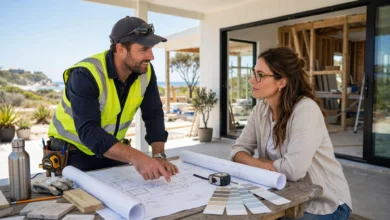
10 Questions to Ask a General Contractor Before You Sign
10 questions to ask a general contractor before you sign, covering licensing, timelines, payment terms, and warranty details.
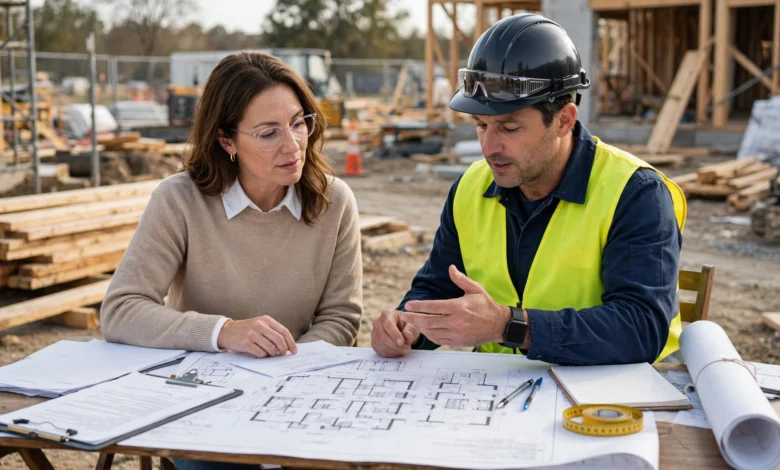
10 Crucial Questions to Ask a General Contractor Before You Sign
10 questions to ask a general contractor before you sign anything can save you from months of frustration, unexpected costs, and unfinished work. A polished quote and a friendly personality aren’t enough on their own to tell you whether a contractor will actually deliver. The questions you ask during the interview stage, and how directly they’re answered, reveal far more about how a project is likely to go than a glossy portfolio ever will.
This guide walks through ten specific questions worth asking before signing a contract, along with what a good answer sounds like and what should raise concern. We’ll cover licensing and insurance, timelines, payment structure, subcontractor use, and how disputes get handled if something goes wrong. Each question is designed to expose gaps in a contractor’s process before you’ve committed any money, rather than after.
None of these questions require special construction knowledge to ask or evaluate. What matters is paying attention to how confidently and specifically a contractor answers. Vague, defensive, or rushed responses are just as telling as the actual content of the answer. By the end of this article, you’ll have a practical checklist you can bring into any contractor interview, whether you’re planning a kitchen remodel, a home addition, or a full renovation.
Why Asking the Right Questions Matters Before You Sign
Homeowners often focus on price when comparing contractors, but price alone doesn’t tell you whether a project will finish on time, on budget, or without disputes along the way. Questions to ask a general contractor should be designed to surface information that a quote by itself won’t show you.
A thorough interview process helps you:
- Confirm the contractor is properly licensed and insured for your specific project
- Understand how the contractor communicates and handles unexpected problems
- Get a realistic sense of the timeline and payment structure before committing
- Identify red flags early, before you’ve signed anything or paid a deposit
Skipping this step, or asking only surface-level questions, is one of the most common reasons homeowners end up dealing with delays, disputes, or subpar work later in a project.


Question 1: Are You Licensed and Insured for This Type of Work?
This should be the first question in any contractor interview, and the answer should come with actual documentation, not just a verbal confirmation.
- Ask for the specific license number and verify it directly through your state’s licensing board
- Confirm the license covers general contracting as well as any specialty work involved, electrical and plumbing often require separate licenses
- Request proof of both general liability insurance and workers’ compensation coverage
A contractor who hesitates, provides vague answers, or can’t produce documentation on request is a significant warning sign.
Question 2: Can You Provide References From Recent, Similar Projects?
References tell you more about a contractor’s actual performance than reviews alone, since you can ask follow-up questions directly.
- Ask for at least three references from projects completed within the last one to two years
- Request references for projects similar in scope to yours, a kitchen remodel reference isn’t as useful if you’re planning a full addition
- Follow up with questions about communication, whether the timeline was met, and how any problems were resolved
If a contractor is reluctant to provide references, or only offers older projects, it’s worth asking why.
Question 3: What’s the Realistic Timeline for This Project?
Timelines matter both for planning your own life around the disruption and for spotting contractors who overpromise to win the job.
- Ask for a written timeline, not just a verbal estimate
- Ask specifically what could cause delays, permit approval, material availability, weather, and how those are typically handled
- Be cautious of timelines that seem significantly shorter than other bids for comparable work, since this can signal rushed or understaffed work
Question 4: Will You Use Subcontractors, and How Are They Vetted?
Many general contractors rely on subcontractors for specialty work like electrical, plumbing, or HVAC, which isn’t inherently a problem, but it’s worth understanding how that work is managed.
- Ask which parts of the project will involve subcontractors versus the contractor’s own crew
- Confirm subcontractors are also licensed and insured for their specific trade
- Ask how the general contractor supervises subcontractor work and quality on-site
A contractor who can’t clearly explain their subcontractor relationships may have less oversight over parts of your project than you’d expect.
Question 5: What Does the Payment Schedule Look Like?
Payment structure is one of the clearest indicators of a contractor’s legitimacy and financial stability.
- A reasonable structure typically includes a modest deposit, followed by payments tied to completed milestones, with a final payment held until the work passes inspection
- Be cautious of contractors requesting more than 10-20% upfront, or asking for the majority of payment before work begins
- Ask specifically what happens if a payment is late or if you’re unsatisfied with completed work at a milestone
The Federal Trade Commission advises homeowners to avoid paying the full contract amount upfront and to tie payments to verified project milestones, which protects you if a contractor fails to complete the work as agreed.
Question 6: How Do You Handle Change Orders and Unexpected Costs?
Almost every renovation project encounters some unexpected issue once walls, floors, or ceilings are opened up. How a contractor handles these moments matters as much as how they handle the planned work.
- Ask how change orders are documented, verbally is not sufficient, get it in writing
- Confirm whether change orders require your approval before work proceeds and additional costs are incurred
- Ask for an example of how a past project’s unexpected issue was communicated and resolved
A contractor who can’t describe a clear change order process is more likely to surprise you with costs after the fact.
Question 7: What’s Included in the Written Estimate?
A detailed, itemized estimate protects you from vague pricing that leaves room for disputes later.
- Ask whether the estimate includes specific materials, brands, and quantities, or just broad categories of cost
- Confirm whether the estimate includes labour, permits, disposal fees, and cleanup, some contractors leave these out and add them later
- Ask how long the estimate is valid for, since material costs can shift and affect pricing over time
A vague, lump-sum estimate without itemized detail makes it much harder to know exactly what you’re paying for.
Question 8: What Warranty Do You Offer on Labour and Materials?
Warranty coverage is easy to overlook during the excitement of planning a project, but it matters significantly if something fails after completion.
- Ask specifically what’s covered under labour warranty, and for how long
- Confirm whether material warranties come from the contractor, the manufacturer, or both
- Ask how warranty claims are handled, and get the response and resolution process in writing
A contractor without a clear warranty policy leaves you with little recourse if something goes wrong after the project wraps up.
Question 9: How Will We Communicate During the Project?
Communication style becomes especially important once work is underway and issues inevitably come up.
- Ask how often you can expect updates, and through what method, phone, email, text, or an app
- Confirm who your primary point of contact will be, especially on larger projects with a crew and site supervisor
- Ask how the contractor handles homeowner concerns raised mid-project, and how quickly you can expect a response
Clear, proactive communication tends to prevent small issues from becoming larger disputes later.
Question 10: What Happens If There’s a Dispute?
It’s uncomfortable to plan for conflict before a project even starts, but understanding the dispute process protects you if things don’t go smoothly.
- Ask whether the contract includes a mediation or arbitration clause, and what that process looks like
- Confirm how lien waivers are handled to protect you from subcontractor payment disputes after the project ends
- Ask what recourse you have if work doesn’t meet the agreed scope or quality
The Better Business Bureau recommends reviewing a contractor’s dispute resolution history and complaint record before signing, since past patterns often predict how future disagreements will be handled.
Red Flags That Should Change Your Decision
Certain answers, or lack of answers, to the questions above should give you real pause before signing anything.
- Refusing to provide license or insurance documentation on request
- Pressuring you to sign quickly or offering discounts only if you commit immediately
- Requesting unusually large upfront payments without a clear milestone structure
- Vague or evasive answers about subcontractors, timelines, or change order processes
- No written contract or estimate, relying instead on verbal agreements
If more than one of these shows up during your interview, it’s generally worth continuing your search rather than proceeding.
Putting the Answers Into Your Decision
Once you’ve asked all ten questions across your shortlisted contractors, compare the answers side by side rather than relying on memory or a general impression.
- Note which contractors provided documentation immediately versus those who delayed or avoided it
- Compare payment structures and flag any outliers requesting unusually high upfront amounts
- Weigh communication style, since this affects your day-to-day experience throughout the project
- Cross-check references and confirm the details match what the contractor told you directly
- Review each written estimate for completeness before making a final decision
Choosing based on this fuller picture, rather than price or first impression alone, significantly reduces the risk of problems once work begins.
Conclusion
Asking the right questions to ask a general contractor before you sign is one of the simplest, most effective ways to protect your home, your budget, and your timeline. Licensing and insurance, references, payment structure, change order handling, warranty terms, and communication style all reveal something a quote alone can’t show you. Taking the time to ask these ten questions, and paying close attention to how confidently and specifically they’re answered, puts you in a far stronger position before any contract is signed. Whether you’re planning a small remodel or a major renovation, this kind of upfront diligence tends to pay for itself many times over if it helps you avoid even one serious contractor problem.