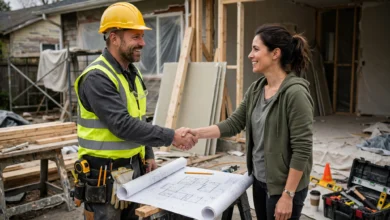
What to Expect When Working With a General Contractor
Learn what to expect when working with a general contractor, from the first consultation through final walkthrough and payment.
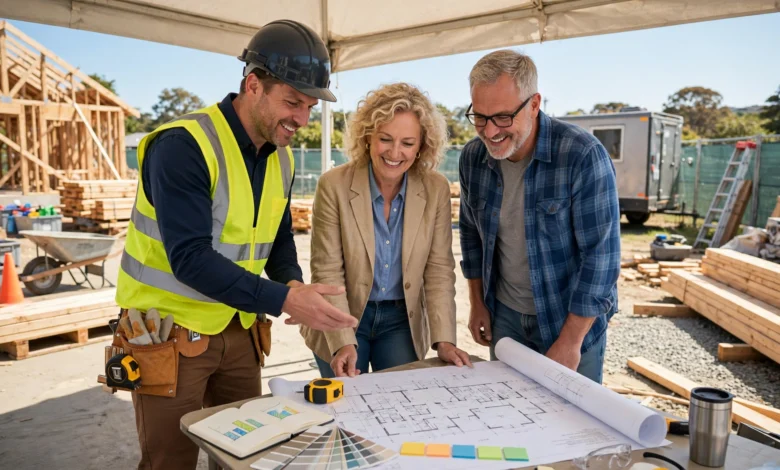
What to Expect When Working With a General Contractor: 8 Essential Stages Explained
Introduction
What to expect when working with a general contractor isn’t something most homeowners think to ask about until they’re already in the middle of a project, wondering whether the pace, the communication, or the sudden change order is normal. The renovation process has a general rhythm to it, and knowing that rhythm ahead of time makes a huge difference in how manageable the whole experience feels.
A lot of the stress people associate with renovations doesn’t actually come from the work itself. It comes from uncertainty, not knowing how long the permitting process typically takes, why a contractor suddenly needs an extra week, or what a “rough-in inspection” even is. Once you understand the general stages a project moves through, most of that uncertainty disappears, and you’re able to tell the difference between a normal part of the process and something that actually needs your attention.
This guide walks through the typical stages of working with a general contractor, from your first consultation through the final walkthrough, along with what’s reasonable to expect in terms of communication, budget shifts, and timeline. Whether this is your first renovation or your fifth, having a clear picture of the process ahead of time helps you plan better and worry less along the way.
Why Understanding the Process Matters
Renovation projects involve a lot of moving parts, subcontractors, permits, inspections, and material deliveries, all of which need to happen in a fairly specific order. According to the National Association of Home Builders, project delays are common in residential construction and renovation work, often tied to permitting timelines, material availability, or issues uncovered once work is underway.
Knowing this ahead of time helps set realistic expectations. A project running a few weeks behind schedule isn’t necessarily a sign of a bad contractor, it’s often just a normal part of working with older homes, local permitting offices, and supply chains that don’t always move as fast as anyone would like.
What to Expect When Working With a General Contractor: 8 Essential Stages
1. Initial Consultation and Project Scope
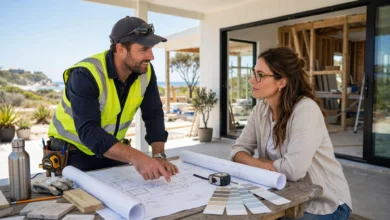
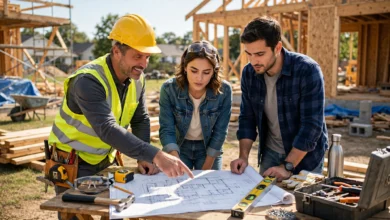
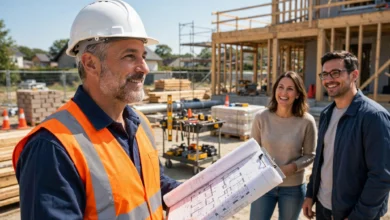
The process typically starts with a consultation where the contractor visits your home, discusses your goals, and gets a sense of the project’s scope. This is your opportunity to ask questions and gauge how well the contractor communicates before you’ve committed to anything.
During this stage, expect to discuss:


- Your general vision and priorities for the project
- Budget range and any non-negotiable elements
- Rough timeline expectations
- Any existing issues you’re aware of with the property
A good contractor will ask thoughtful questions here rather than jumping straight to a price, since understanding your priorities affects how they approach the design and materials conversation later.
2. Bidding and Quote Comparison
After the consultation, most contractors will provide a written quote, and it’s worth getting at least two or three from different contractors to compare. Quotes should break down labor, materials, and any subcontracted work separately, so you can see exactly what’s driving the total cost.
This stage typically takes anywhere from a few days to a couple of weeks, depending on the complexity of the project. Be cautious of quotes that arrive unusually fast with little detail, since a thorough estimate takes time to prepare properly.
3. Contract Signing and Deposit
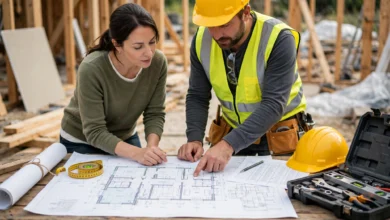
Once you’ve chosen a contractor, you’ll sign a detailed written contract outlining the scope of work, materials, timeline, payment schedule, and warranty terms. A reasonable deposit, generally 10-30% of the total project cost, is standard at this stage to secure your spot on the contractor’s schedule and cover initial material orders.
Before signing, confirm:
- Every detail discussed verbally is actually reflected in the written contract
- The payment schedule ties to specific project milestones, not arbitrary dates
- There’s a clear process outlined for handling changes to the scope
4. Permitting and Approvals
Depending on your project and location, permits may be required before physical work can begin. This stage is often where homeowners experience their first delay, since permitting timelines vary significantly by municipality and can take anywhere from a few days to several weeks.
A good general contractor handles this process on your behalf and should be able to give you a realistic estimate of how long approval typically takes in your area. According to the Consumer Financial Protection Bureau, skipping required permits can create serious problems later, including issues with insurance claims or when selling your home.
5. Site Preparation and Demolition
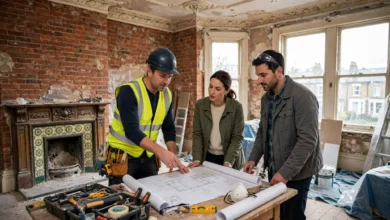
Once permits are approved, work usually begins with site preparation, which might include protecting floors and furniture, setting up temporary barriers, and removing existing fixtures or structures that are being replaced. Demolition often reveals the first surprises of the project, especially in older homes, things like outdated wiring, water damage, or structural issues that weren’t visible beforehand.
Expect your contractor to communicate promptly if something unexpected is found, along with options for how to address it and any impact on cost or timeline.
6. Active Construction Phase
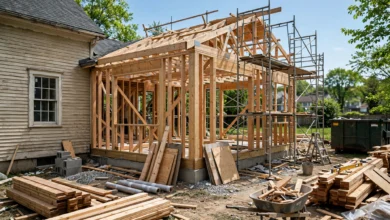
This is typically the longest stage of the project, covering framing, electrical and plumbing rough-in, insulation, drywall, and finish work. Multiple subcontractors may rotate through the site during this phase, each handling a specific part of the job in sequence.
During active construction, reasonable expectations include:
- Regular updates from your contractor, whether through scheduled check-ins or as milestones are completed
- Some noise, dust, and general disruption to daily life, especially for larger projects
- Occasional short delays tied to material availability or scheduling conflicts between subcontractors
7. Inspections and Quality Checks
Most projects requiring permits also require inspections at specific stages, commonly after rough-in electrical and plumbing work, and again after the project is substantially complete. These inspections confirm the work meets local building codes before it’s covered up by drywall or finishes.
- Rough-in inspections happen before walls are closed up, checking electrical, plumbing, and structural elements.
- Final inspections confirm the completed work meets code before the permit is closed out.
A failed inspection isn’t necessarily a disaster, it usually just means a specific item needs correction before work can proceed, which a good contractor will handle as part of the process.
8. Final Walkthrough and Project Completion
Once construction is finished, you’ll do a final walkthrough with your contractor to review the completed work. This is the time to note anything that needs correction, sometimes called a “punch list,” items like touch-up paint, minor adjustments, or small defects that need to be addressed before final payment.
A reasonable process at this stage includes:
- A detailed walkthrough covering every part of the completed work
- A written punch list of any outstanding items
- Final payment withheld until punch list items are resolved
- Warranty documentation provided for labor and materials
What to Expect in Terms of Communication
Communication expectations should be set early, ideally during the initial consultation or contract signing stage. Reasonable expectations generally include:
- A clear point of contact for questions throughout the project
- Regular updates, whether weekly check-ins, text updates, or scheduled site visits
- Prompt communication about any delays, unexpected issues, or cost changes
If communication feels inconsistent or you’re regularly left wondering what’s happening on-site, it’s worth raising the issue directly and early, rather than waiting until frustration builds.
What to Expect in Terms of Budget and Timeline
Even well-planned projects often experience some shift in budget or timeline, particularly for renovations involving older homes. A reasonable range to expect:
- Budget contingency: Build in 10-20% above your initial estimate for unexpected issues, especially in older properties.
- Timeline flexibility: Permitting delays, material backorders, and issues uncovered during demolition can all extend a project beyond its original estimate.
A contractor who communicates proactively about these shifts, rather than surprising you with them after the fact, is doing exactly what you should expect from the process.
Common Challenges During the Process
A few challenges tend to come up across most renovation projects, regardless of size:
- Unexpected issues uncovered during demolition, such as water damage or outdated wiring
- Material delays, particularly for custom or specialty items
- Scheduling conflicts between subcontractors handling different parts of the job
- Permitting delays tied to local government processing times
- Scope creep, where small additions to the project add up in both cost and time
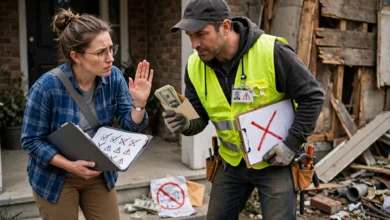
Knowing these are common rather than unusual helps you respond calmly rather than assuming something has gone seriously wrong.
How to Prepare Yourself Before Work Begins
A few steps before the project starts can make the whole process smoother:
- Set up a temporary living arrangement for affected spaces, like a temporary kitchen setup during a kitchen remodel.
- Clear the work area of personal belongings and furniture ahead of time.
- Confirm parking and access arrangements with your contractor, especially in tighter urban settings.
- Review the contract one more time before the start date to confirm you’re clear on the scope, timeline, and payment schedule.
Conclusion
Understanding what to expect when working with a general contractor turns a process that can otherwise feel unpredictable into something far more manageable, from the initial consultation and bidding stage through permitting, active construction, inspections, and the final walkthrough. Knowing the typical stages, along with realistic expectations around communication, budget flexibility, and timeline shifts, helps you tell the difference between a normal part of the renovation process and a genuine red flag worth addressing directly. Going in with this knowledge means you’re far better equipped to work alongside your contractor as a team, rather than feeling like you’re simply along for the ride.