How to Choose the Right Home Builder for Your Dream House
Learn how to choose the right home builder for your dream house with 8 proven tips covering credentials, contracts
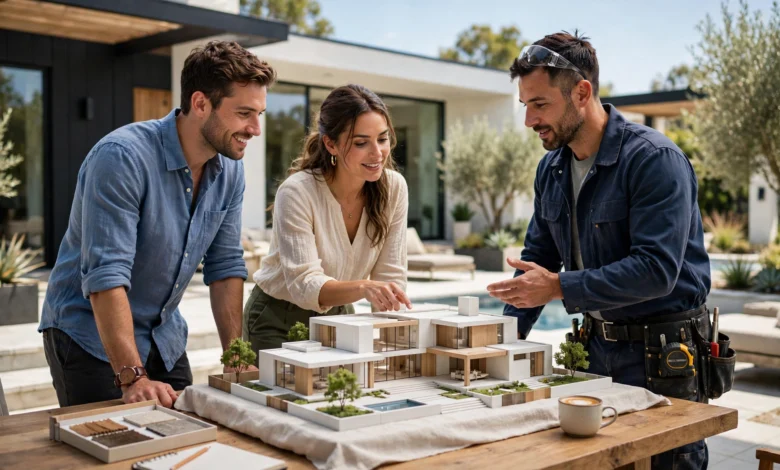
How to Choose the Right Home Builder for Your Dream House: 8 Proven Tips That Actually Matter
Learning how to choose the right home builder for your dream house is one of the most consequential decisions in the entire building process, and it’s also one homeowners often rush through. It’s easy to get caught up in floor plans, finishes, and design boards, but none of that matters if the builder behind the project isn’t experienced, financially stable, or honest about what your budget can actually deliver.
Building a custom home is fundamentally different from buying an existing one. You’re trusting a builder with hundreds of decisions over many months, from site preparation and foundation work through framing, systems installation, and final finishes. A builder who cuts corners, misses deadlines, or goes out of business mid-project can turn your dream home into a financial and emotional nightmare, and unfortunately, this happens more often than most people expect.
The good news is that choosing well isn’t about luck. It comes down to knowing exactly what to check before signing anything: licensing and insurance, financial stability, past client experiences, communication style, and how a builder handles problems when they inevitably come up. This guide walks through each of these factors in detail, along with the specific questions to ask during builder interviews and the red flags that should make you walk away, no matter how appealing the sample home or sales pitch might be.
Whether you’re building on your own lot or working with a builder who develops entire communities, the fundamentals of choosing well are the same, and getting this decision right sets the tone for everything that follows.
Why the Builder Matters More Than the Floor Plan
It’s tempting to fall in love with a floor plan or a builder’s model home and let that drive the decision. But the builder’s track record, financial health, and communication style will shape your actual experience far more than any single design detail.
A home builder you choose is responsible for:


- Coordinating dozens of subcontractors and trades throughout construction
- Managing the budget and flagging cost changes honestly and promptly
- Navigating permitting, inspections, and code compliance
- Standing behind the work through a warranty period after move-in
A great floor plan built by a poor builder often ends up compromised anyway, through delays, cut corners, or disputes that derail the original vision. Choosing the right builder protects the vision you started with.
Step 1: Verify Licensing, Insurance, and Financial Stability
Before anything else, confirm that a builder is properly licensed, insured, and financially sound enough to complete your project.
Licensing and Insurance
- Check your state or local licensing board to confirm the builder’s license is active and in good standing
- Confirm general liability insurance and workers’ compensation coverage, and ask for certificates directly from the insurer
- Verify there are no unresolved complaints or disciplinary actions tied to the builder’s license
The National Association of Home Builders recommends verifying builder credentials directly through state licensing boards rather than relying solely on a builder’s own claims or marketing materials, since licensing status can change and isn’t always reflected on a company’s website.
Financial Stability
- Ask how long the company has been in business under its current name
- Request bank or supplier references, which reputable builders should be willing to provide
- Check for any liens, lawsuits, or bankruptcy filings tied to the company through public court records
A builder in financial trouble is far more likely to cut corners, delay payments to subcontractors (which can lead to liens on your property), or in worst cases, leave a project unfinished entirely.
Step 2: Review Their Portfolio and Past Projects
A builder’s past work tells you more than any sales presentation. Look for homes similar in style, size, and complexity to what you’re planning.
What to Look For
- Homes with a similar architectural style or complexity to your project
- Consistency in quality across multiple completed homes, not just one standout example
- Whether the builder specializes in a particular style, like custom modern homes versus traditional builds
- How recently the featured projects were completed
Visit Completed Homes When Possible
If a builder offers the chance to walk through a completed or in-progress home, take it. Pay attention to:
- Finish quality on details like trim work, cabinetry, and flooring transitions
- How well systems like HVAC and electrical are integrated and concealed
- Whether the home feels solidly built, without obvious shortcuts
Seeing finished work in person reveals details that photos on a website simply can’t capture.
Step 3: Talk to Past Clients Directly
Reviews online are useful, but a direct conversation with a past client gives you a much clearer picture of what it’s actually like to work with a builder.
Questions to Ask References
- Did the project finish on time and on budget, and if not, why?
- How did the builder communicate throughout the process?
- How were problems or unexpected issues handled?
- Would you hire this builder again for another project?
- Did they respond promptly to warranty issues after move-in?
Ask for at least two or three references from projects completed within the past couple of years, since a builder’s quality and reliability can shift over time as the business grows or changes ownership.
Step 4: Understand Their Building Process and Communication Style
Every builder has a slightly different process, and understanding it upfront helps set realistic expectations for your own project.
Questions About Process
- How often will I receive updates, and through what communication method?
- Who is my main point of contact throughout the build?
- How do you handle change orders and unexpected cost increases?
- What’s your typical timeline from groundbreaking to move-in for a project like mine?
Why Communication Style Matters
A builder who communicates clearly and proactively, even when delivering bad news like a delay or cost increase, is far easier to work with than one who avoids difficult conversations until problems become unavoidable. This single factor often determines how stressful or smooth the entire building process feels.
Step 5: Compare Quotes and Contracts Carefully
Just like with any major construction project, getting multiple detailed quotes helps you understand what’s realistic for your budget and design goals.
What a Detailed Quote Should Include
- A comprehensive breakdown of costs by category, including site work, foundation, framing, systems, and finishes
- Clearly defined allowances for items not yet finalized, like flooring, countertops, or fixtures
- A realistic timeline with major milestones outlined
- Payment schedule tied to completed phases of construction
Comparing Builders Fairly
- Confirm each quote reflects the same scope, square footage, and quality level of materials
- Ask each builder to explain their allowance amounts, since lowball allowances are a common way quotes appear cheaper than they’ll actually end up being
- Compare warranty terms, since these vary significantly between builders
A noticeably lower quote often reflects lower-grade materials, unrealistic allowances, or a scope gap rather than genuine savings.
Step 6: Understand the Contract Thoroughly Before Signing
A detailed, well-structured contract protects you throughout the building process. Before signing, confirm it includes:
- A complete scope of work, referencing final architectural plans and specifications
- Itemized costs and defined allowances
- A payment schedule tied to construction milestones, not arbitrary dates
- A clear change order process, including how cost and timeline impacts will be documented
- Start and estimated completion dates, along with how delays will be communicated
- Warranty terms covering both structural elements and finishes
Have a real estate attorney review the contract if the project is large or complex, particularly for custom home builds where the stakes and costs are significantly higher than a typical renovation.
Step 7: Know the Red Flags That Signal a Risky Builder
Some warning signs should make you pause and dig deeper before signing with a builder.
- Reluctance to provide references or allow you to visit past projects
- Vague or unusually low quotes without clear allowance breakdowns
- Pressure to sign quickly, especially with limited-time pricing incentives
- Frequent staff or subcontractor turnover, which can signal instability
- No physical business address or a very short operating history
- Requests for unusually large upfront deposits beyond what’s standard for the project size
If a builder shows more than one of these red flags, it’s worth treating that as a serious signal rather than a minor inconvenience to work around.
Step 8: Plan for the Warranty and Post-Move-In Support
A great builder’s responsibility doesn’t end at move-in. Understanding warranty coverage and post-construction support is an important part of the decision.
What to Confirm About Warranty Coverage
- What’s covered under structural, mechanical, and finish warranties, and for how long
- How warranty claims are submitted and how quickly they’re typically addressed
- Whether the builder offers a formal walkthrough process in the months after move-in to catch settling issues, like minor drywall cracks
Questions to Ask About Ongoing Support
- Who do I contact if an issue comes up after move-in?
- How have past warranty claims typically been handled?
- Is there a dedicated customer service team, or does it go back through the original sales contact?
A builder who treats the warranty period seriously, rather than considering the relationship over once the final payment clears, is a strong sign of a company that stands behind its work long-term.
Common Mistakes Homeowners Make When Choosing a Builder
- Choosing based on price alone, without verifying licensing, insurance, or financial stability
- Skipping reference checks, relying only on online reviews
- Not reading the contract closely, especially allowance and change order sections
- Assuming a builder’s model home reflects the actual quality of every project
- Ignoring communication style during early conversations, which often predicts how the entire project will go
Avoiding these mistakes takes some extra time upfront, but it significantly reduces the risk of delays, disputes, or a finished home that doesn’t match the quality you expected.
Frequently Asked Questions
How many builders should I get quotes from before deciding? Most experts recommend getting quotes and proposals from at least three builders, comparing not just price but scope, allowances, and communication style during the process.
What’s the biggest red flag when choosing a home builder? Reluctance to provide references or allow a visit to past completed projects is one of the clearest warning signs, since reputable builders are typically proud to showcase their work.
Should I hire an attorney to review my home building contract? For custom home builds or large-scale projects, having a real estate attorney review the contract is a smart investment given the size of the financial commitment involved.
How important is it to visit a builder’s past projects in person? Very important. Photos and marketing materials can’t fully capture finish quality, structural soundness, or how well a home was actually built, which is why in-person visits are worth the extra effort.
What should I check about a builder’s warranty before signing? Confirm what’s covered, for how long, and how claims are submitted and resolved. Also ask how quickly past warranty issues have typically been addressed for other clients.
Conclusion
Knowing how to choose the right home builder for your dream house comes down to looking past the floor plans and model homes to verify what actually matters: licensing, insurance, financial stability, a strong portfolio, and honest communication throughout the process. Talk to past clients directly, compare detailed quotes rather than bottom-line numbers, and read the contract thoroughly before signing, ideally with legal review for larger projects. Watch for red flags like reluctance to share references or unusually low quotes, and don’t overlook the importance of warranty coverage and post-move-in support. Taking the time to evaluate a builder this thoroughly won’t eliminate every challenge that comes with building a custom home, but it dramatically increases the odds that your dream house turns out the way you actually envisioned it.