Swimming Pool Tips for Homeowners in New South Wales
Swimming pool tips for NSW homeowners covering fencing rules, registration, maintenance, and water-wise habits that keep your pool compliant.
Swimming Pool Tips for Homeowners: 12 Essential Rules for New South Wales
Swimming pool tips for homeowners in New South Wales tend to come with a catch that people in other states don’t always deal with: strict, well-enforced safety law sitting right alongside all the usual maintenance and design advice. Owning a pool here isn’t just about keeping the water clean and the filter running. It’s also about fencing that meets Australian Standard AS1926.1, registration on a government database, and compliance certificates that need renewing every few years. Miss one of these and you’re not just risking a fine, you’re risking your ability to sell or lease the property at all.
That combination, part lifestyle asset and part regulated structure, is what makes pool ownership in NSW a little different from anywhere else in the country. Sydney’s climate makes a backyard pool genuinely usable for most of the year, but the state’s history with child drowning incidents has shaped some of the tightest pool safety requirements in Australia. Homeowners who understand these rules early tend to save themselves a lot of stress, and money, down the track.
This guide covers what NSW homeowners actually need to know: the legal obligations around fencing and registration, practical maintenance habits that keep a pool in good shape, water-saving tips that matter given the state’s periodic drought restrictions, and a few upgrades worth considering if you’re planning renovations. Whether you’ve just bought a home with an existing pool or you’re building one from scratch, this should give you a clear, practical starting point.
Why Pool Ownership in NSW Comes With Extra Responsibility
New South Wales regulates backyard pools more closely than most people expect until they actually own one. The rules exist because backyard pools have historically been one of the leading locations for drowning among children under five, and the state has responded with legislation that’s specific, enforced, and updated periodically as standards evolve.
Two pieces of legislation sit behind almost everything a homeowner needs to know: the Swimming Pools Act 1992 and the Swimming Pools Regulation 2018. Together they set out pool safety requirements, registration obligations, and the certification process that applies whenever a pool is sold, leased, or significantly altered. On top of that, Australian Standard AS1926.1 sets the technical specifications for fencing, gates, and barriers.
None of this is optional, and ignorance of the rules isn’t much of a defence if something goes wrong or an inspector flags a problem. The good news is that once you understand the core requirements, staying compliant is mostly a matter of routine checks rather than constant worry.
Swimming Pool Tips: Registration and Compliance Basics
Every Pool Over 300mm Deep Must Be Registered
If your pool or spa can hold more than 300 millimetres of water, it needs to be registered on the NSW Swimming Pool Register, regardless of whether it’s a permanent in-ground pool, an above-ground pool, or even a large inflatable pool used seasonally. This applies to residential, strata, and commercial properties alike.
Registration itself is a straightforward online process through the state government’s portal, and it’s separate from actual compliance. In other words, registering your pool tells the government it exists. It doesn’t confirm the fencing or barriers meet current standards. Those are assessed through a separate inspection process.
Compliance Certificates Are Required for Sale or Lease
If you’re planning to sell or lease a property with a pool, you’ll need a current compliance certificate, generally valid for three years, confirming the pool barrier meets NSW standards. Selling a property without one can hold up settlement or create legal complications, so it’s worth arranging an inspection well before you list.
You can find detailed guidance, checklists, and the online registration portal through the official <a href=”https://www.swimmingpoolregister.nsw.gov.au/”>NSW Swimming Pool Register</a>, which is the primary government resource for pool owners across the state.
Understanding Pool Fencing Rules in NSW
Minimum Fence and Barrier Requirements
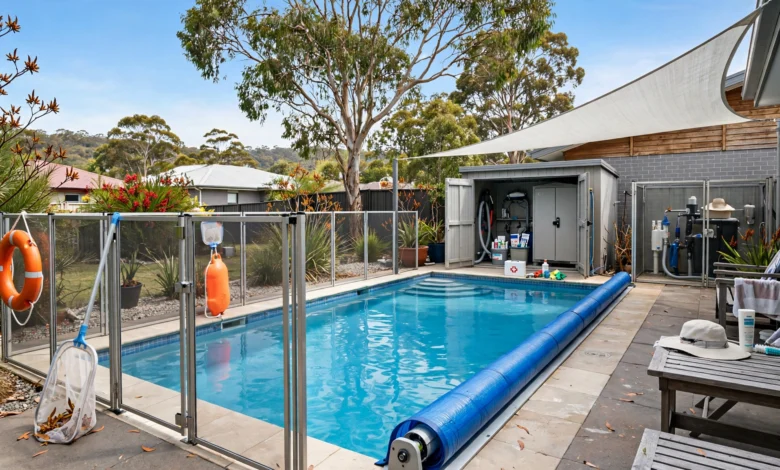
Pool fencing is where most compliance issues actually show up, often because homeowners assume a fence installed years ago still meets current standards. A few of the core requirements include:
- Fence height of at least 1.2 metres from the finished ground level on the outside of the pool enclosure
- Self-closing and self-latching gates that swing away from the pool area, never toward it
- A non-climbable zone, generally around 900mm of clear space around the outside of the fence, free of anything a child could use as a foothold
- Gate latches positioned out of reach of young children
- No gaps or footholds in the fence itself that could allow a child to climb over or squeeze through
The exact standard that applies can depend on when your pool was built, since older pools may have been assessed under earlier versions of the code. If you’re unsure which standard applies to your property, a licensed pool safety inspector can clarify this quickly.
Common Reasons Pools Fail Inspection
A surprising number of established pools fail their first compliance inspection, usually for reasons that have nothing to do with the original fence design. The most frequent issues include:
- Garden furniture, pot plants, or landscaping placed close enough to the fence to act as a climbing aid
- Gates that no longer self-latch properly due to wear or a shifted frame
- Gaps that have opened up as timber fencing ages or settles
- Non-compliant modifications made during a landscaping or renovation project without re-checking the barrier
Routine, seasonal checks of your fence and gate hardware can catch most of these issues before they turn into a failed inspection.
CPR Signage Is Mandatory
Every backyard pool in NSW is required to display up-to-date CPR signage near the pool area. If your pool has been substantially altered, rebuilt, or resurfaced, you’re required to update this signage as well, since older versions may no longer meet current formatting requirements.
For general guidance on water safety and CPR awareness, <a href=”https://www.royallifesaving.com.au/”>Royal Life Saving Australia</a> publishes resources aimed specifically at reducing drowning risk in backyard pools, and it’s a useful reference for homeowners with young children or frequent guests.
Practical Maintenance Tips for NSW Pool Owners
Manage Water Chemistry Regularly
NSW’s climate, particularly along the coast and in Sydney’s basin, means pools face heavy UV exposure for most of the year, which breaks down chlorine faster than in cooler climates. A consistent testing routine matters more here than in states with shorter swimming seasons.
- Test pH and chlorine levels at least twice a week during summer, and weekly during cooler months
- Keep pH between roughly 7.2 and 7.6, since water outside this range makes chlorine less effective and can irritate skin and eyes
- Shock the pool periodically, especially after heavy pool use, storms, or extended hot spells
- Clean skimmer baskets and filters regularly, since NSW’s eucalyptus-heavy suburbs mean a lot of leaf litter ends up in backyard pools
Watch for Algae in Warmer Months
Algae growth accelerates quickly once water temperature climbs, which in much of NSW happens from around October through March. Brushing pool walls weekly, maintaining consistent chlorine levels, and running the filtration system for enough hours each day are the most effective preventive steps. Once algae takes hold, it’s considerably more work, and more chemicals, to bring the water back under control than it is to prevent it in the first place.
Service Equipment Before Peak Season
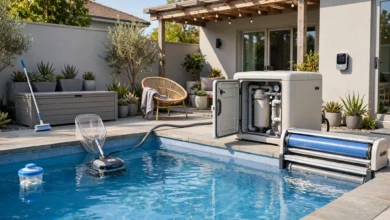
Pumps, filters, and heaters get the heaviest use over summer, so late-winter or early-spring is the right time to have equipment serviced. A pump that’s struggling to keep up during a heatwave is a far bigger headache than the same issue caught in August.
Water-Wise Swimming Pool Tips for NSW Conditions
Water restrictions have come and gone across NSW over the years, particularly during drought periods affecting the Greater Sydney region and regional centres. Building water-conscious habits into your pool routine isn’t just about compliance during restriction periods, it’s also a straightforward way to reduce your water and energy bills year-round.
- Use a pool cover when the pool isn’t in regular use, since evaporation is one of the biggest sources of water loss in backyard pools, especially during hot, windy Sydney summers
- Check for leaks periodically by monitoring water levels against a marked point, since a slow leak can waste far more water than most owners realise
- Install a variable-speed pump, which uses meaningfully less electricity than an older single-speed pump while still maintaining good filtration
- Time backwashing and top-ups thoughtfully, avoiding unnecessary water waste during routine filter maintenance
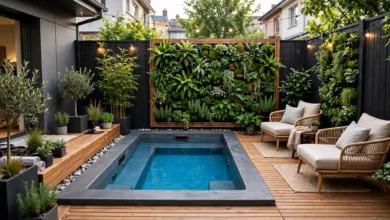
- Consider a smaller pool footprint with a spa or plunge design if you’re building new, since these use less water to fill and maintain than a full-size lap pool
Design and Renovation Tips Worth Considering
Choosing Materials for NSW’s Climate
Coastal properties in NSW, particularly around Sydney, Newcastle, and the Illawarra, deal with salt air that can accelerate corrosion on metal fittings and fencing. If you’re near the coast, look for:
- Marine-grade stainless steel fixtures and fencing hardware
- UV-stable glass or aluminium fencing rather than materials prone to rust or fading
- Pebble or aggregate interior finishes, which tend to hold up better against NSW’s water chemistry and sun exposure than plain plaster
Saltwater Systems Remain a Popular Choice
Saltwater chlorination systems have become a common upgrade for NSW pool owners, largely because they reduce the need to handle and store chlorine directly while still keeping the water sanitised. They’re not maintenance-free, but many owners find the water feels gentler and the day-to-day upkeep more manageable than a traditional chlorine dosing routine.
Shade and Heating for Year-Round Use
Given how usable a pool can be for much of the NSW calendar, a pool heater or heat pump extends the swimming season noticeably, particularly in Sydney where spring and autumn water temperatures can still feel cold without assistance. Pairing this with shade structures, whether a pergola, sail shade, or established tree cover, makes the pool area more comfortable during the intense UV months of December through February.
A Quick Checklist for New Pool Owners
If you’ve just bought a property with an existing pool, or you’re finishing a new build, here’s a condensed rundown of what to sort out early:
- Confirm the pool is registered on the NSW Swimming Pool Register
- Arrange a compliance inspection if you don’t have a current certificate
- Check fence height, gate operation, and the non-climbable zone yourself before booking a professional inspection
- Update or install CPR signage near the pool
- Test water chemistry and adjust as needed before regular use begins
- Service the pump, filter, and heater if they haven’t been checked recently
- Set a seasonal reminder to re-check fencing and equipment, ideally each spring
Conclusion
Owning a pool in New South Wales comes with a genuine mix of lifestyle upside and legal responsibility, and the homeowners who do best with it are the ones who treat both sides seriously from the start. Registering the pool, keeping fencing and gates compliant with AS1926.1, and staying on top of water chemistry and equipment maintenance will keep you out of trouble with inspectors and, more importantly, keep the people using your pool safe. Add in a few water-wise habits suited to the state’s climate and occasional restrictions, and a NSW backyard pool can be a low-drama, high-value part of the home for years to come. Whether you’re just getting familiar with the rules or renovating an older pool to bring it up to standard, working through the requirements methodically, rather than all at once under pressure from a sale or an inspection, is the easiest way to stay ahead of it.