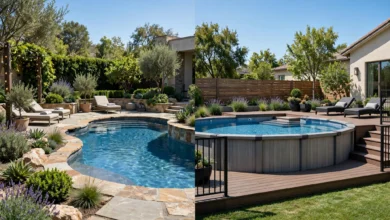
Swimming Pool Ideas for Homes in Western Australia
Practical swimming pool ideas for Western Australian homes, covering climate-smart design, native planting, materials, and local pool rules.
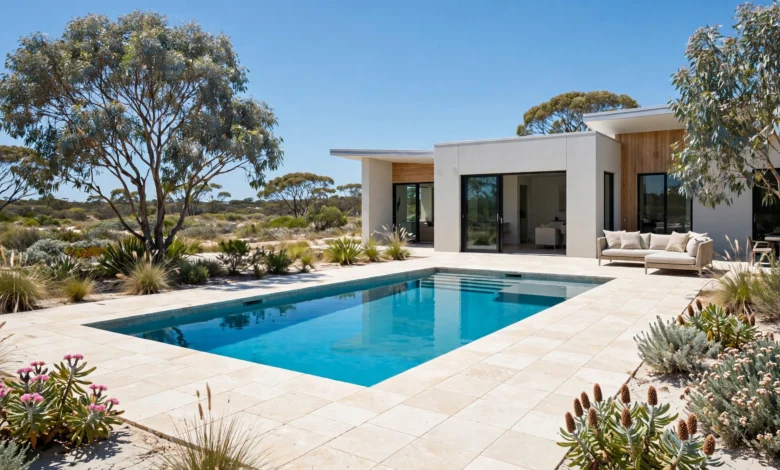
Swimming Pool Ideas for Homes in Western Australia: 12 Smart Designs
Swimming pool ideas for homes in Western Australia need to account for something most generic design guides never mention: this state’s climate is genuinely different from the rest of the country, and it punishes pool designs that weren’t built for it. Perth summers regularly push past 40°C, rainfall is unreliable, soils are sandy and fast-draining, and the afternoon sea breeze known locally as the “Fremantle Doctor” can be brutal on unprotected plants and materials.
A pool design that looks stunning in a Sydney or Melbourne magazine spread can struggle here. Plants that need daily watering die back in weeks. Dark paving that looks sleek in a cooler climate turns into a hot plate underfoot by 10am. And homeowners across WA, from Perth’s inner suburbs to the South West, are also working within specific state pool safety and fencing rules that differ from the rest of Australia.
This guide covers swimming pool ideas built specifically around WA’s conditions: water-wise native planting, heat-appropriate materials, shade and shelter from wind and sun, and the safety barrier requirements that apply to every private pool in the state. Whether you’re planning a new pool for your Perth home or refreshing an existing pool area, these ideas will help you build something that actually holds up to the local climate instead of fighting it every season. Let’s get into what actually works.
Why Pool Design in Western Australia Needs a Local Approach
Western Australia’s climate is closer to Mediterranean than tropical: long, hot, dry summers and short, mild, wetter winters. That pattern shapes almost every decision around a pool for Western Australian homes, from which plants survive near the water to how much shade your seating area actually needs. Add sandy, fast-draining soil across much of the Perth metro area and increasingly tight water restrictions, and you’ve got a set of conditions that calls for deliberate design choices rather than a generic pool package.
1. Choose Water-Wise Native Plants Over Thirsty Imports
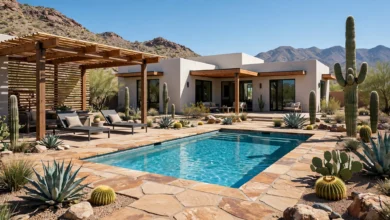
Traditional lush, tropical-style poolside planting looks great in photos but often demands daily watering to survive a WA summer. Native plants are the smarter long-term choice for a Western Australian pool because they’ve adapted to exactly the sandy soil, low rainfall, and intense sun this state is known for.
Strong options for poolside beds include:
- Lomandra and Dianella for low, grassy texture with minimal litter
- Westringia for a soft, rounded hedge that tolerates wind and salt spray
- Kangaroo Paw for seasonal colour without heavy water demand
- Banksia, Grevillea, and Callistemon (Bottlebrush) for taller screening that also attracts native birds
Once established, waterwise native species typically need only occasional deep watering rather than the daily irrigation thirstier exotic plants require, which matters given how tightly Perth’s water use is managed during summer.
2. Work With Sandy Soil Instead of Against It
Much of the Perth metro area sits on sandy soil that drains fast and holds very little moisture. Rather than importing large volumes of heavy garden soil to force non-native plants to survive, the smarter approach is soil improvement: mixing in organic matter and mulch around planting beds, and choosing species that are genuinely comfortable in sand. This reduces both your water bill and the amount of ongoing maintenance your pool garden demands.
3. Pick Heat-Reflective Paving and Decking
Surface temperature around the pool matters enormously in a climate that regularly hits 40°C. Pool decking and paving choices should prioritise materials that stay cool underfoot:
- Travertine – A premium option with excellent heat-reflective properties, staying noticeably cooler than darker stone even on extreme days.
- Sandstone – Warm, earthy tones that pair naturally with native planting schemes.
- Light-toned concrete pavers – A budget-friendly option, especially with an exposed aggregate finish for slip resistance.
- Composite decking – Splinter-free and comfortable underfoot, popular for the immediate pool surround where people sit and sunbake.
Avoid dark bluestone or dark-toned pavers directly around the pool edge unless you’re prepared for genuinely hot surfaces during peak summer.
4. Add Shade Structures That Handle Wind, Not Just Sun
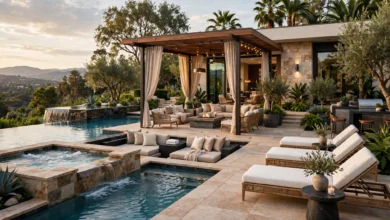
Shade in WA needs to do double duty: block harsh UV and stand up to the strong afternoon winds that roll through much of the state. Pergolas with fixed or louvred roofing tend to perform better here than lightweight shade sails, which can flap or tear in strong gusts. Position shaded lounging areas to also block the worst of the afternoon sea breeze, so the space stays usable even when the wind picks up.
5. Design for a Mediterranean-Style Aesthetic
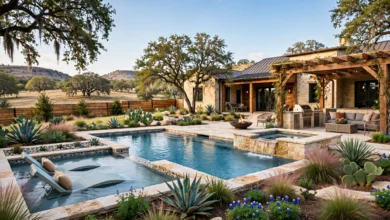
Because WA’s climate closely mirrors the Mediterranean, a Mediterranean-style pool design, think rendered walls, terracotta or warm-toned pavers, olive trees, and simple geometric pool shapes, tends to suit the local conditions better than tropical or alpine-inspired styles borrowed from other climates. This aesthetic also naturally pairs well with drought-tolerant planting, since many Mediterranean garden staples (lavender, rosemary, olive) are already well suited to WA’s dry summers.
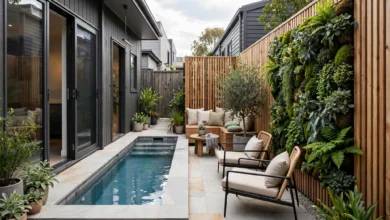
6. Consider a Plunge Pool for Smaller Blocks
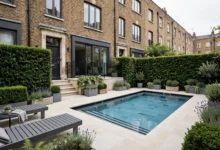
Perth’s newer housing developments often come with tighter lot sizes, which has made plunge pools increasingly popular across WA. A plunge pool typically requires less space, less water, and less ongoing chemical and energy cost than a full-size lap or family pool, while still delivering a genuine spot to cool off on a 40-degree day. For smaller backyards, a well-designed plunge pool paired with quality decking and planting can feel just as resort-like as a larger pool on a bigger block.
7. Use Salt Chlorination for Easier Long-Term Maintenance
Many WA homeowners choose saltwater pool systems over traditional chlorine dosing, largely because they reduce the manual handling of chemicals during long, hot swim seasons that can run nearly year-round in Perth’s climate. Salt systems still need regular water testing and occasional shock treatment, but they generally mean less frequent chemical purchasing and a gentler feel on skin and eyes during heavy summer use.
8. Build In a Water Feature Without Overdoing It
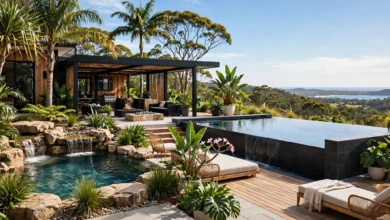
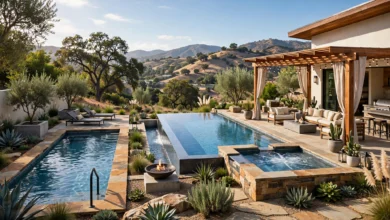
A modest water feature, a stone spillway, a bubbling urn, or a simple sheet waterfall, adds movement and sound to a pool area without requiring excessive water or maintenance. Keep the scale proportionate to your yard: a small courtyard pool suits a subtle feature, while larger resort-style pools can support something bolder like a rock waterfall or in-pool spa spillover.
9. Choose Pool Fencing That Meets WA’s Legal Requirements
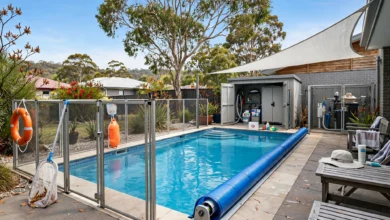
This is the one area where “ideas” and “legal obligations” overlap directly. Under Western Australian law, every domestic swimming or spa pool capable of holding more than 300mm of water must have a compliant safety barrier, and this applies to permanent inground pools as well as portable and inflatable pools. According to Building and Energy, Government of Western Australia, these barrier requirements are governed by the Building Act 2011 and the Building Regulations 2012, and local governments carry out inspections of pool safety barriers at least once every four years.
Popular fencing choices that meet these requirements while still looking good include:
- Frameless glass fencing – Keeps sightlines open and doesn’t visually block a pool area, popular for modern WA homes.
- Aluminium slat or pool fencing – A cost-effective, durable option that resists coastal corrosion better than some metals.
- Combination barriers – Using part of the home’s wall as a barrier section, provided doors and windows meet the relevant Australian Standard.
Whatever style you choose, confirm it complies with AS 1926.1, since this Australian Standard underpins WA’s specific pool barrier rules.
Building Permits for Pool Fences
As of mid-2024, most standard pool fences in WA no longer require a separate building permit. A permit is still required, however, if the fence also functions as a fall-protection balustrade, is a masonry fence over a certain height, or is located in a higher wind-rated region. It’s worth checking current requirements with your local government or a licensed pool fencing installer before installation, since this detail affects your project timeline.
10. Plan Your Pool Area Around How You Actually Use It
Before finalising layout, decide what role your pool actually plays in your household. A lap-focused pool wants long sightlines and a narrow planting border that doesn’t interrupt the swim line. A family pool built for kids and entertaining benefits from open lawn space, shaded seating, and clear supervision sightlines from the house. A glassy, view-framing pool designed as a visual feature from the living area calls for a more restrained, architectural planting style. Working this out early avoids a layout that looks nice but doesn’t suit how your family actually spends time outside.
11. Add an Outdoor Entertaining Zone
Western Australians spend a huge amount of time outdoors given the climate, so a pool area that includes a dining or lounge zone gets far more use than one that’s just water and a narrow strip of paving. A 6-seat table under shade, positioned with a clear view of the pool, tends to become the space a family actually uses every weekend rather than only on special occasions. Combining this with an outdoor kitchen or simple bar setup extends the pool area’s role well beyond swimming.
12. Choose Pool Coping and Tile Finishes That Suit the Light
WA’s intense natural light changes how pool colours and finishes read compared to cloudier climates. Lighter-toned coping and pale blue or sandy-toned pool interiors tend to look brighter and more inviting under strong Australian sun, while darker “resort-style” finishes, though popular in design photography, absorb more heat and can look almost black in direct midday light. Test finish samples in full sun before committing, since a swatch that looks great indoors can read completely differently outside.
Quick Checklist Before You Start
Before finalising your pool design, run through this list:
- Plant selection – Are you choosing water-wise natives suited to sandy soil, rather than thirsty imports?
- Surface heat – Have you chosen decking and paving that stays cool enough to walk on barefoot at midday?
- Wind exposure – Will your shade structure hold up to the afternoon sea breeze?
- Pool size – Would a plunge pool suit your block better than a full-size pool?
- Sanitisation system – Have you compared saltwater and traditional chlorine for your household’s needs?
- Fencing compliance – Does your barrier design meet AS 1926.1 and current WA Building Regulations?
- Layout purpose – Does the design match how your household will actually use the pool day to day?
Conclusion
Swimming pool ideas for homes in Western Australia work best when they’re built around the state’s actual conditions rather than borrowed wholesale from cooler, wetter climates elsewhere in Australia. That means choosing water-wise native planting suited to sandy soil, selecting heat-reflective paving that stays comfortable underfoot, designing shade that can handle strong coastal winds, and making sure your pool barrier meets WA’s specific safety and fencing requirements from day one. Whether you’re building a compact plunge pool on a smaller block or a full resort-style family pool, designing with Perth’s Mediterranean-style climate in mind, rather than against it, is what turns a pool into a genuinely low-maintenance, long-term asset for your home.