Gardening Ideas for Dry Climates in Arizona
Practical gardening ideas for dry climates in Arizona, covering desert plants, water-wise design, soil prep, and seasonal timing.
13 Stunning Gardening Ideas for Dry Climates in Arizona
Introduction
Gardening ideas for dry climates in Arizona need to start from a completely different set of assumptions than most mainstream gardening advice. With triple-digit summer heat, minimal rainfall outside the monsoon season, intense sun exposure, and soil that often includes a hard, cement-like layer called caliche, Arizona gardening is its own discipline. What works in a temperate, rainy climate will often fail here within weeks, no matter how much water you throw at it.
The good news is that Arizona’s desert conditions aren’t actually a barrier to a genuinely beautiful, productive garden. They just require a different approach: choosing plants that are built for heat and drought, managing water with real intention instead of habit, and timing your gardening calendar around the state’s unusual seasonal rhythm, where fall and winter are often better growing windows than the brutal peak of summer.
This guide covers thirteen practical ideas for gardening successfully in Arizona’s dry climate, from desert-adapted plant choices and xeriscaping principles to soil improvement, irrigation strategy, and seasonal timing. Whether you’re gardening in Phoenix, Tucson, or a smaller desert community, these ideas reflect how Arizona’s climate actually behaves rather than generic advice written for a wetter, cooler part of the country. By the end, you’ll have a clearer picture of what genuinely works here and how to build a garden that holds up through the state’s long, dry summers.
Understand Arizona’s Unique Growing Conditions
Before choosing plants or setting up irrigation, it helps to understand exactly what makes Arizona’s climate so different from most of the rest of the country.
Extreme Heat and Low Humidity
Arizona summers regularly exceed 100°F, often for months at a stretch, combined with very low humidity that pulls moisture from soil and plants quickly. This combination means water requirements, planting timing, and plant selection all need to account for stress levels most gardening advice never anticipates.
The Monsoon Season Changes the Rules
From roughly late June through September, much of Arizona experiences monsoon storms that deliver intense, short bursts of rainfall. This period brings welcome moisture but also flash flooding risk and rapid runoff, meaning dry climate gardening in Arizona actually needs to account for both drought and sudden heavy rain within the same season.
Caliche Soil Is a Common Obstacle
Much of Arizona’s soil contains caliche, a hard, calcium carbonate layer that can sit just below the surface and block drainage and root growth almost entirely. Identifying and addressing caliche early is one of the more overlooked steps in successful Arizona gardening.
Choose Desert-Adapted Plants
Plant selection is the foundation of any successful Arizona dry climate garden, and there’s a wider range of options than many newcomers expect.
Prioritise Native Desert Plants
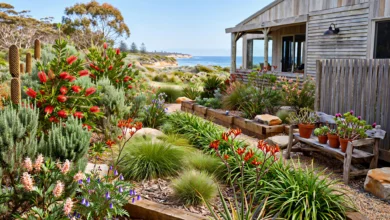
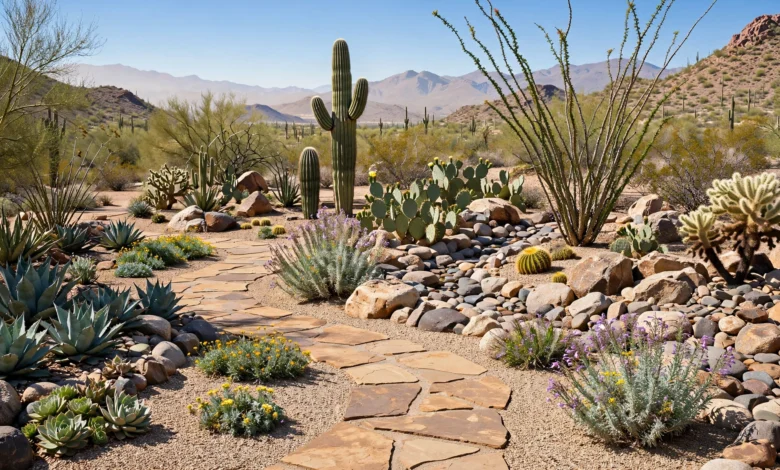
Species like palo verde, desert marigold, brittlebush, and various agave and cacti varieties are naturally adapted to Arizona’s rainfall patterns and soil, requiring minimal supplemental water once established. These plants have evolved specifically to handle the state’s extreme heat and long dry stretches.
Consider Drought-Tolerant Non-Natives
Beyond true natives, many drought-tolerant species from other arid regions, such as lavender, rosemary, and various Mediterranean herbs, also perform well in Arizona’s climate, offering more variety for gardeners wanting something beyond strictly native plantings.
Use Shade Trees Strategically
Desert-adapted shade trees like palo verde, mesquite, and desert willow not only tolerate Arizona’s heat but also help cool the surrounding garden and home, creating microclimates where more delicate plants can survive beneath their canopy.
Practice Xeriscaping Principles
Xeriscaping, landscaping designed specifically to reduce or eliminate the need for irrigation, is one of the most effective gardening ideas for dry climates in Arizona, and it’s become the standard approach across much of the state.
Group Plants by Water Needs
Hydrozoning, placing plants with similar water requirements together, prevents overwatering drought-tolerant species while underwatering thirstier ones nearby. This is especially important in Arizona, where water efficiency directly affects both plant survival and utility costs.
Reduce Turf Area
Traditional lawns are extremely water-intensive in Arizona’s climate. Replacing lawn areas with decomposed granite, native groundcover, or desert plantings dramatically cuts outdoor water use while still providing an attractive, usable yard. The Arizona Municipal Water Users Association offers detailed xeriscaping and water conservation guidance specific to the state, available at amwua.org.
Use Rock and Gravel Mulch
Unlike organic mulch, rock and gravel mulch don’t break down in Arizona’s heat and actually help reflect excess sunlight while still moderating soil temperature and reducing evaporation, making it a popular and practical choice across much of the state.
Improve Arizona’s Challenging Soil
Soil improvement in Arizona often looks different than in other climates, largely due to caliche and generally low organic content.
Break Through Caliche Layers
Where caliche is present, it needs to be physically broken through, often with a pickaxe or auger for planting holes, to allow proper root growth and drainage. Skipping this step is one of the most common reasons new plantings fail in Arizona gardens.
Add Organic Matter Where Possible
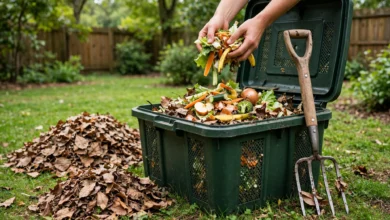
Arizona’s native soil is typically low in organic content. Working in compost improves water retention and nutrient availability, even for drought-tolerant plants that need relatively little supplemental feeding once established.
Test Drainage Before Planting
Filling a planting hole with water and checking how quickly it drains helps identify caliche or compacted soil issues before you invest in plants. Slow drainage typically signals a need for deeper soil amendment or an alternative planting location.
Set Up Efficient Irrigation
Water management is arguably the single most important factor in successful Arizona gardening, given how quickly the climate can stress both plants and budgets.
Install Drip Irrigation
Drip irrigation delivers water directly to plant roots, minimizing the evaporation loss that overhead sprinklers suffer in Arizona’s heat and low humidity. This is one of the most effective water-wise gardening ideas available anywhere in the state. The EPA’s WaterSense program offers detailed guidance on efficient irrigation setup suited to arid climates, available at epa.gov/watersense.
Water Deeply and Early
Watering deeply, encouraging roots to grow downward toward cooler, more stable soil moisture, holds up far better in Arizona’s heat than frequent shallow watering. Early morning watering, before sunrise if possible, further reduces evaporation loss during the hottest parts of the day.
Capture Monsoon Rainfall
Rain barrels and passive water harvesting basins can capture monsoon rainfall for use during drier months. Even small-scale water harvesting significantly reduces reliance on municipal water across the rest of the year.
Time Your Planting Around Arizona’s Seasons
Arizona’s growing calendar runs differently than most of the country, and getting this timing right matters more here than almost anywhere else.
Fall Is Prime Planting Season
Unlike much of the U.S., fall is often the best time to plant in Arizona, particularly in lower desert regions like Phoenix and Tucson. Cooler temperatures allow plants to establish root systems before facing the following summer’s heat, giving them a significant survival advantage.
Avoid Planting During Peak Summer Heat
New plantings struggle enormously if introduced during the hottest months, generally June through August. Waiting until temperatures moderate in fall, or planting in early spring before summer heat arrives, gives new plants a far better chance of establishing successfully.
Plan Vegetable Gardens Around Cooler Windows
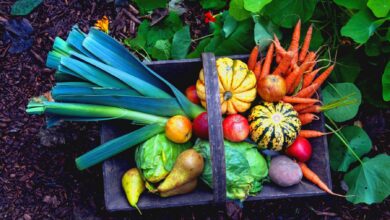
Cool-season vegetables like lettuce, broccoli, and carrots do well planted in fall for a winter harvest across much of Arizona, while warm-season vegetables like tomatoes and peppers generally need to go in during the narrow spring window before summer heat sets in.
Protect Plants From Extreme Sun and Heat
Even desert-adapted plants sometimes need protection during Arizona’s most extreme heat events.
- Use shade cloth over vulnerable plants during the hottest summer weeks.
- Position sun-sensitive plants on the east side of structures, where they get morning sun but afternoon shade.
- Mulch heavily around root zones to keep soil temperatures more stable.
- Water container plants more frequently, since pots heat up and dry out faster than in-ground beds.
- Avoid pruning heavily right before summer, since this removes natural shade cover plants provide for their own root zones.
Manage Pests in a Desert Environment
Pest pressure in Arizona differs from wetter climates, and a few targeted strategies work well here.
Watch for Heat-Loving Pests
Spider mites and certain beetle species thrive in Arizona’s hot, dry conditions. Regular monitoring, especially during peak summer, helps catch infestations early before they spread across a garden bed.
Encourage Beneficial Insects
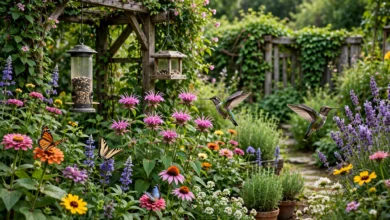
Ladybugs, lacewings, and native pollinators help control common pests naturally. Planting flowering natives like desert marigold and brittlebush alongside vegetable beds attracts these beneficial insects to the garden.
Practice Good Garden Hygiene
Removing dead plant material and fallen fruit reduces pest habitat, which matters particularly in Arizona where certain pests can multiply quickly during the warmer months if left unchecked.
Conclusion
Successful gardening ideas for dry climates in Arizona all come back to one central idea: working with the desert’s natural rhythm rather than fighting it. Choosing native and drought-tolerant plants, practicing xeriscaping principles, improving caliche-heavy soil, setting up efficient drip irrigation, and timing planting around Arizona’s fall-forward growing calendar all address the specific challenges this climate presents. Add sensible sun protection and targeted pest management, and you’ve got a genuinely workable framework for a garden that thrives here rather than merely surviving. Start with the changes most relevant to your own yard, whether that’s fixing drainage or switching to drip irrigation, and build from there. Arizona’s climate is demanding, but with the right approach, it’s far from impossible to garden well here.