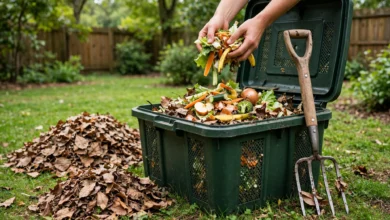
15 Gardening Ideas That Thrive in Small Spaces
Practical small space gardening ideas for patios, balconies, and tight yards, covering containers, vertical growing, and smart plant choices.
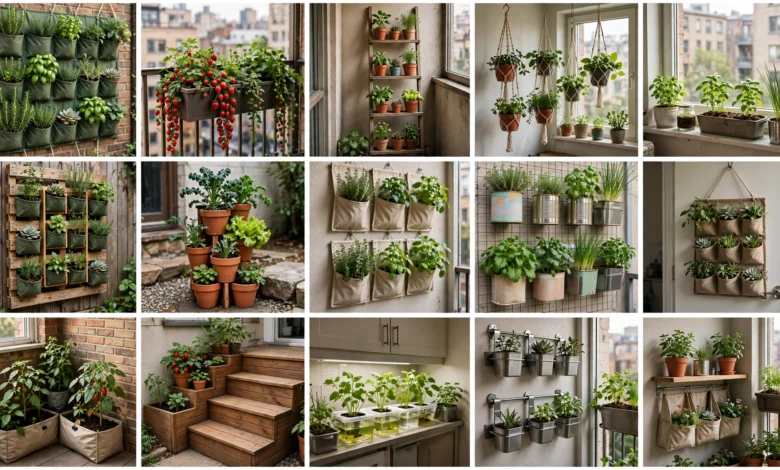
15 Brilliant Small-Space Gardening Ideas That Truly Thrive
Introduction
Small space gardening ideas matter more than ever right now. More people are living in apartments, condos, and homes with modest yards, and just as many are discovering that a lack of square footage doesn’t have to mean a lack of green. Whether you’ve got a narrow balcony, a concrete patio, a tiny side yard, or just a sunny windowsill, there are real, workable ways to grow something worth caring for.
The trouble is that a lot of gardening advice assumes you have a full backyard to work with. Raised beds the size of a car, sprawling perennial borders, rows of vegetables stretching thirty feet. None of that helps if you’re working with a hundred square feet or less. What actually helps is knowing which techniques and plants are built for tight quarters, and which ones will just frustrate you.
This guide walks through fifteen practical ideas for growing in small spaces, from container arrangements and vertical structures to smart plant selection and space-saving tools. Some of these ideas work indoors, some outdoors, and many work anywhere with a bit of sunlight. You don’t need acres of land to grow herbs for dinner, flowers that make a balcony feel alive, or even a modest vegetable harvest. You just need the right approach for the space you actually have, and that’s exactly what this list is built around.
Why Small-Space Gardening Works So Well
Before getting into specific ideas, it helps to understand why gardening in a limited footprint isn’t a compromise so much as a different approach entirely.
Less Space Means More Control
A smaller garden is easier to monitor closely. You’ll notice pests, dry soil, or nutrient issues faster because you’re looking at the same handful of containers or beds every day. This tends to lead to healthier plants overall, since problems get caught and corrected early.
Container Gardening Adapts to Any Layout
Containers can go almost anywhere: a fire escape, a rooftop, a stoop, a kitchen counter near a window. This flexibility is one of the biggest advantages of small-space growing, since you’re not locked into a single in-ground plot.
Container Gardening Ideas for Tight Spaces
Containers are the backbone of most small space gardening ideas, and there’s a lot more variety here than a few plastic pots on a windowsill.
Choose the Right Container Size
Bigger isn’t always better, but too small is a common mistake. Root vegetables and tomatoes need at least 12–18 inches of depth, while herbs and lettuce can thrive in containers as shallow as 6–8 inches. Matching container size to plant type prevents root-bound, stressed plants down the line.
Use Self-Watering Containers
Self-watering containers hold a water reservoir at the base that wicks moisture up to the roots as needed. These are especially useful for balconies and patios that get full sun, where soil in a standard pot can dry out within a day. They also reduce how often you need to check on things, which matters if you travel or have a busy schedule.
Group Containers by Water and Light Needs
Just like an in-ground garden, containers should be grouped based on similar sun exposure and watering needs. Succulents and herbs like rosemary want less frequent watering than leafy greens or tomatoes, so keeping them separated makes care far more manageable.
Vertical Gardening Solutions
Vertical growing is one of the most effective small-space gardening ideas because it uses wall and fence space that would otherwise sit empty.
Install a Trellis System
Trellises let vining plants like cucumbers, peas, and pole beans grow upward instead of sprawling across limited ground space. A simple trellis against a sunny wall or fence can double the growing capacity of a small yard or patio.
Try a Living Wall or Vertical Planter
Pocket planters, stackable vertical towers, and wall-mounted grid systems allow you to grow dozens of small plants, like strawberries, lettuce, and herbs, in the footprint of a single standard bed. These systems work particularly well on bare exterior walls that get decent sunlight.
Hang Baskets Where You Can
Hanging baskets take advantage of vertical airspace, whether from a porch ceiling, a balcony railing, or a wall bracket. Trailing plants like petunias, cherry tomatoes, and certain herb varieties do especially well here, cascading downward without taking up any floor space.
Raised Beds and Compact Garden Structures
Raised beds aren’t just for large yards. Scaled-down versions work well in tight spaces too, and they solve a few problems that in-ground planting can’t.
Build Narrow Raised Beds
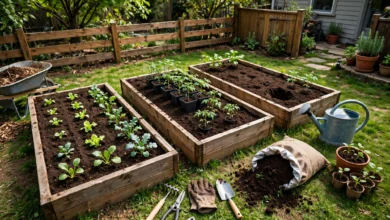
A raised bed as narrow as two feet wide can still support a productive mix of vegetables and flowers, especially along a fence line or the edge of a patio. Raised beds also warm up faster in spring and drain better than compacted urban soil, giving plants a stronger start.
Use Tiered Planters
Tiered or stepped planters stack multiple growing levels vertically, which is ideal for a small patio corner. They’re often used for strawberries and herbs, letting you fit what would normally require several square feet of garden bed into a much smaller footprint.
Consider a Keyhole or Compact Raised Bed Design
Compact raised bed layouts, including keyhole designs with a small access path built into the center, maximize planting area while keeping every part of the bed within easy reach, which matters a lot when your total space is limited.
Best Plants for Small Spaces
Plant selection can make or break a small garden. Some varieties are simply built for compact growing, while others will outgrow their space within a season.
Choose Dwarf and Compact Varieties
Many popular vegetables now come in dwarf or “patio” varieties bred specifically for container and small-space growing. Patio tomatoes, bush cucumbers, and dwarf pepper plants all produce a solid harvest without needing the sprawling space their standard-sized counterparts require.
Grow Herbs for Maximum Payoff
Herbs are some of the most rewarding small space gardening ideas available, since they take up minimal room and return near-constant value in the kitchen. Basil, thyme, chives, mint, and parsley all do well in containers as small as six inches across, and most tolerate partial sun better than fruiting vegetables do.
Pick Flowers That Punch Above Their Weight
For homeowners more interested in color than food, compact flowering plants like marigolds, dwarf zinnias, and trailing lobelia bring a lot of visual impact without needing much room. These are also useful for attracting pollinators to a small garden, which benefits any vegetables growing nearby.
Maximize Every Inch With Smart Layout Choices
Beyond containers and plant choice, how you arrange a small garden matters just as much as what’s in it.
Practice Companion Planting
Pairing plants that support each other, like basil near tomatoes or marigolds near vegetable beds to deter pests, allows you to fit more useful plants into the same space without sacrificing plant health. The USDA’s National Agricultural Library offers reliable guidance on plant pairing and small-scale garden planning, available at nal.usda.gov.
Use Succession Planting
Instead of planting everything at once, stagger plantings every few weeks so that as one crop finishes, another is ready to take its place. This keeps a small space consistently productive rather than sitting empty after an early harvest.
Interplant Fast and Slow Growers
Fast-maturing plants like radishes can be planted alongside slower vegetables like carrots. The radishes get harvested and out of the way before the carrots need the extra room, effectively doubling up on the same patch of soil.
Space-Saving Tools and Techniques
A few practical tools make a real difference when every square foot counts.
- Foldable or stackable furniture for patios and balconies frees up floor space for containers when it’s not in use.
- Wall-mounted tool racks keep gardening supplies off the ground, which matters in tight patios or sheds.
- Rail planters clip directly onto balcony or deck railings, adding a growing surface that doesn’t touch the floor at all.
- Multi-tier plant stands let you group several pots vertically in the footprint of just one.
- Lightweight, mobile planters on casters make it easy to chase sunlight throughout the day or move plants indoors during a cold snap.
Indoor and Windowsill Gardening Ideas
Not every small space is outdoors. Apartments and homes without much yard space can still grow a surprising amount indoors.
Set Up a Windowsill Herb Garden
A south- or west-facing windowsill often gets enough light for a small collection of herb pots. This is one of the easiest small space gardening ideas to start with, since it requires no yard, no tools beyond basic pots, and very little maintenance.
Try Indoor Vertical Growing Systems
Compact hydroponic towers and wall-mounted indoor planters have become widely available and let apartment dwellers grow lettuce, herbs, and even some strawberries year-round without needing outdoor space at all.
Rotate Plants for Even Light
Indoor plants tend to lean toward their light source. Rotating pots a quarter turn every few days keeps growth even and prevents lopsided, weak stems, which matters more indoors where light is often coming from a single direction.
Watering and Maintenance Tips for Compact Gardens
Small gardens still need consistent care, and a few adjustments make maintenance easier rather than harder.
Water Containers More Frequently Than Ground Beds
Containers dry out faster than in-ground soil because there’s less volume to retain moisture. Check container soil daily during warm weather by pressing a finger an inch into the soil. If it’s dry, it’s time to water.
Fertilize Regularly but Lightly
Frequent watering in containers washes nutrients out of the soil faster than in a traditional garden bed. A diluted liquid fertilizer every two to three weeks during the growing season helps container plants keep up their energy without overwhelming them. The Royal Horticultural Society offers detailed guidance on container plant care and feeding schedules, available at rhs.org.uk.
Prune to Encourage Compact Growth
Regular light pruning keeps small-space plants from becoming leggy or overgrown, which matters more in tight quarters where a single sprawling plant can crowd out its neighbors. Pinching back herbs like basil and mint also encourages bushier, more productive growth.
Conclusion
Growing a garden in a small space doesn’t mean settling for less. With the right containers, a bit of vertical thinking, smart plant choices, and a layout that makes use of every available inch, even a balcony or windowsill can produce something genuinely worth tending. The fifteen ideas covered here, from self-watering containers and trellis systems to dwarf plant varieties and indoor vertical towers, give you a real starting point no matter how limited your square footage is. Start small, pay attention to what thrives in your specific light and space, and build from there. A thriving garden isn’t about how much land you have. It’s about how well you use what you’ve got.
Keywords: