How to Design an Outdoor Space That Adds Home Value
How to design an outdoor space that adds home value, with the upgrades, materials, and layout choices buyers actually pay for.
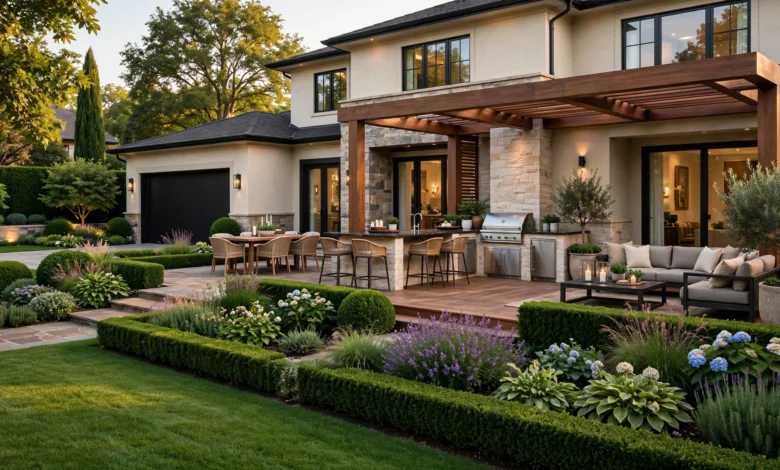
How to Design an Outdoor Space That Adds Home Value: 8 Proven Upgrades Worth the Investment
Introduction
How to design an outdoor space that adds home value is a question that comes up a lot from homeowners planning renovations, and the answer isn’t always what people expect. Not every backyard upgrade pays off. A elaborate water feature or a highly personalized garden might feel worth it to live with, but it won’t necessarily move the needle when it’s time to sell, and it can even work against you if it feels too niche or high-maintenance to a future buyer.
The upgrades that actually add resale value tend to have a few things in common. They’re functional rather than purely decorative. They appeal to a broad range of buyers instead of a narrow taste. And they’re built with quality materials that won’t need replacing within a few years of the sale. Think patios, defined outdoor living areas, and low-maintenance landscaping, rather than niche features that only make sense for one specific lifestyle.
This guide breaks down which outdoor upgrades genuinely add value, how to prioritize your budget if you’re planning to sell in the next few years, and which design choices tend to appeal to the widest range of buyers. Whether you’re renovating to enjoy the space yourself first and sell later, or specifically prepping a home for market, these are the additions that consistently show up in real estate value data. Let’s get into what’s actually worth building.
Why Outdoor Spaces Matter So Much for Home Value
Outdoor living has become a bigger factor in home value over the past decade, partly driven by more people spending time at home and wanting functional space beyond just a lawn. According to the National Association of Realtors, outdoor features like patios and well-maintained landscaping consistently rank among the improvements that appraisers and buyers respond to positively, often recovering a strong percentage of their cost at resale.
That said, not all outdoor investments are created equal. A home value outdoor design strategy has to balance personal enjoyment with broad market appeal, since the goal is a space that feels finished and functional to as many potential buyers as possible, not just to your own specific taste.
1. Start With a Well-Built Patio or Deck
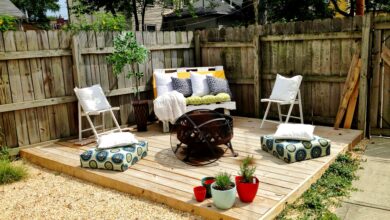
A solid, professionally finished patio or deck is one of the most consistently valuable outdoor additions a home can have.
Choosing Between Patio and Deck
- Patios, typically built from concrete, pavers, or stone, tend to require less long-term maintenance and work well on ground-level properties.
- Decks make more sense for elevated homes or sloped lots, and composite decking in particular has become popular for its durability and low upkeep compared to traditional wood.
Sizing It Appropriately
A patio or deck that’s too small to comfortably fit furniture undersells the space, while one that’s oversized relative to the yard can feel disconnected from the home. As a general guideline, aim for enough room to comfortably fit a dining set and a separate seating area if space allows.
2. Invest in Quality Landscaping
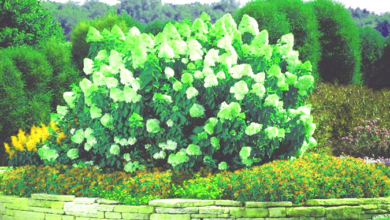
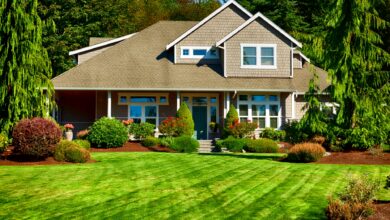
Landscaping is one of the first things buyers notice, and it plays a big role in a home’s curb appeal and perceived maintenance level.
- Well-maintained lawns and defined garden beds signal that the property has been cared for consistently.
- Native and drought-tolerant plants appeal to buyers who want lower water bills and less upkeep, a growing priority in many markets.
- Mature trees, where they already exist, are worth protecting during any renovation, since they add both shade value and immediate visual maturity that new plantings can’t replicate.
- Avoid highly personalized or unusual landscaping choices, like elaborate theme gardens, which can actually turn off buyers looking for a more neutral canvas.
3. Add Functional Outdoor Living Areas
Buyers increasingly look for outdoor spaces that function as genuine extensions of the home’s living area, not just a patch of grass.
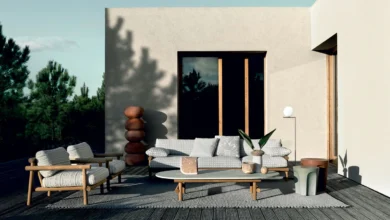
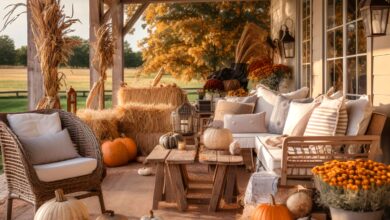
- Defined seating areas with weather-resistant furniture make a backyard feel move-in ready rather than like an unfinished project.
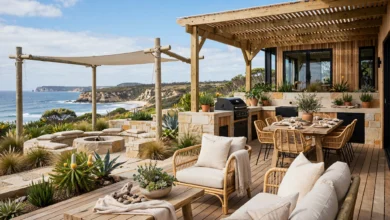
- Outdoor kitchens or grill stations appeal strongly to buyers who entertain, and even a modest built-in grill area adds a sense of completeness to the space.
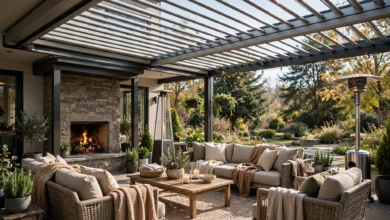
- Fire pits or fireplaces extend usability into cooler months and photograph well for real estate listings, which matters more than people expect in a competitive market.
4. Improve Shade and Weather Protection
A yard that’s only comfortable a few hours a day due to sun exposure feels less usable to buyers touring during peak afternoon heat.
- Pergolas and covered patios signal a finished, thought-out design rather than a bare, exposed yard.
- Shade sails offer a lower-cost way to add coverage over a patio or seating area if a full structure isn’t in the renovation budget.
- Covered spaces also protect furniture and flooring from sun and weather damage, which helps preserve the value of the rest of the investment.
5. Choose Durable, Low-Maintenance Materials
Buyers, and their inspectors, pay close attention to how well outdoor materials have held up, so material choice directly affects perceived value.
- Composite decking resists rot, warping, and splintering better than traditional wood, and requires far less ongoing maintenance.
- Porcelain or natural stone pavers hold up better over time than lower-cost concrete alternatives that can crack or stain.
- Powder-coated metal railings and fixtures resist rust better than untreated metal, which can look dated and neglected within just a few years.
The National Association of Home Builders has published research on which outdoor renovations recoup the highest percentage of their cost, and consistently points to quality materials as a bigger factor in resale value than trend-driven design choices. Their remodeling impact reports are a useful reference for homeowners trying to prioritize a renovation budget.
6. Add a Pool Thoughtfully, Not Automatically
Pools are a more complicated value proposition than most other outdoor upgrades, and the right answer depends heavily on your local market.
- In warm-climate regions where pools are expected, like much of the Sun Belt, a well-maintained pool can be a meaningful selling point.
- In cooler climates, a pool can actually be a liability for some buyers, who see it as an added maintenance cost and liability rather than an asset.
- If you’re building primarily for resale value rather than personal enjoyment, research how pools perform in your specific local market before committing to the investment.
7. Improve Lighting and Safety Features
Outdoor lighting is a relatively low-cost upgrade that meaningfully improves both usability and how a property shows during evening viewings.
- Path and step lighting improves both safety and curb appeal after dark.
- Landscape lighting on mature trees or architectural features adds a polished, high-end look to listing photos.
- Well-lit outdoor spaces photograph better for listings and feel safer and more finished to buyers walking the property in person.
8. Keep the Design Cohesive With the Rest of the Home
One overlooked factor in outdoor renovation value is how well the space ties into the home’s existing architecture and interior style.
- Match exterior material tones and finishes to the home’s existing palette rather than introducing a completely unrelated style.
- Keep hardscaping proportions in line with the size of the lot and home, since an oversized patio on a small lot can feel out of balance.
- A cohesive design reads as intentional and well-planned, which tends to leave a stronger impression on buyers than a collection of disconnected upgrades.
Budgeting Priorities If You’re Renovating to Sell
If your primary goal is resale value rather than long-term personal enjoyment, prioritize upgrades in roughly this order:
- Repair or replace any damaged or outdated hardscaping, like cracked patios or rotting deck boards.
- Refresh landscaping with low-maintenance, broadly appealing plantings.
- Add or improve a defined seating or dining area with durable furniture.
- Add shade if the space currently has none.
- Consider higher-cost additions, like an outdoor kitchen or pool, only if they’re common and expected in your local market.
Conclusion
Designing an outdoor space that genuinely adds home value comes down to prioritizing function, durability, and broad appeal over highly personalized or trend-driven choices. Start with a solid patio or deck, invest in landscaping that looks intentional and low-maintenance, and add shade and defined living areas that make the space feel like a real extension of the home. Choose materials that hold up well over time, think carefully about whether a pool makes sense for your specific market, and tie the whole design back into the home’s existing style. Get those fundamentals right, and an outdoor renovation becomes one of the more reliable investments a homeowner can make, both for everyday enjoyment and for what it returns at resale.