Outdoor Living Tips for Homeowners in Colorado
Outdoor living tips for homeowners in Colorado, covering altitude, sun exposure, wind, and design choices built for the climate.
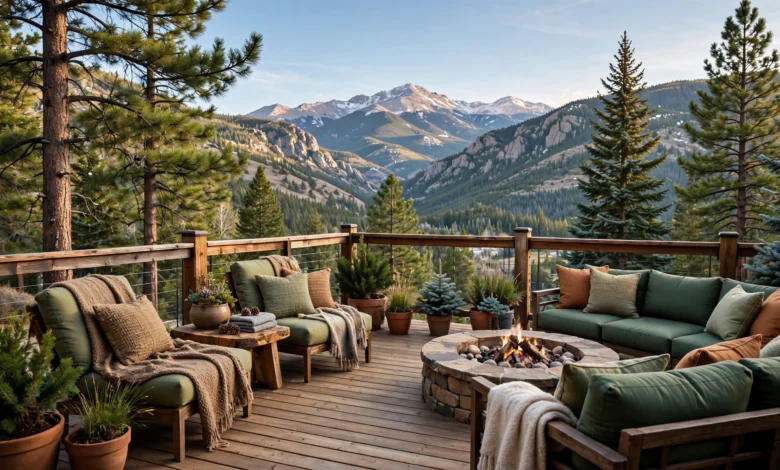
Outdoor Living Tips for Homeowners in Colorado: 9 Essential Ways to Build a Backyard That Works
Introduction
Outdoor living tips for homeowners in Colorado have to account for a climate that doesn’t behave like most of the country. A single day in Denver or Colorado Springs can swing from frost in the morning to shorts weather by afternoon, and a backyard that’s baking in intense high-altitude sun one week can get buried in an early snowstorm the next. Design advice built for milder, more predictable climates just doesn’t hold up here.
That unpredictability is exactly why Colorado homeowners need a slightly different playbook. High elevation means more intense UV exposure than lower altitudes, even on cool days. Low humidity dries out wood, fades fabric, and stresses plants faster than most homeowners expect. And wide temperature swings, sometimes 30 or 40 degrees within a single day, mean materials and furniture need to handle both heat and cold without cracking or warping.
The upside is that Colorado’s dry climate and abundant sunshine, over 300 days of sun a year in much of the state, make outdoor living genuinely rewarding once the design accounts for altitude, wind, and temperature swings. This guide covers practical tips for building an outdoor space that actually holds up to Colorado’s conditions, from sun and wind protection to fire features, landscaping, and materials chosen specifically for high-altitude durability. Let’s get into what actually works here.
Why Colorado’s Climate Demands a Different Approach
Colorado’s combination of high elevation, low humidity, and intense sun exposure sets it apart from most outdoor living advice written for lower-altitude, more humid regions. According to the National Weather Service, UV intensity increases roughly 4 to 5 percent for every 1,000 feet of elevation gain, which means a backyard in Denver or the mountain towns is exposed to meaningfully stronger UV radiation than the same design at sea level.
That intensity affects everything from how fast furniture fades to how much sun protection people actually need while spending time outside. A well-planned outdoor living space in Colorado has to treat sun and UV exposure as a primary design factor, not an afterthought.
1. Prioritize Shade and Sun Protection
Given the elevation-driven UV intensity, shade is one of the first things to plan for in any Colorado backyard project.
Pergolas and Shade Structures
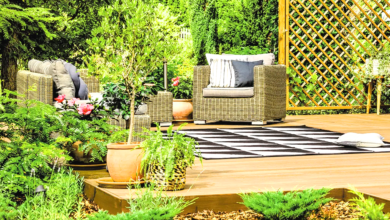
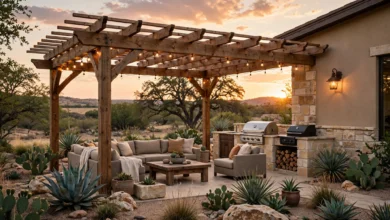
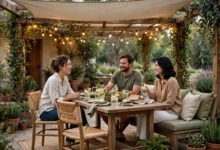
A pergola with adjustable louvers or a retractable canopy lets you control sun exposure throughout the day, which matters given how much stronger Colorado sun feels compared to lower elevations. Fixed-roof patio covers offer more consistent protection for spaces used daily.
Umbrellas and Shade Sails
For a lower-cost, flexible option, large market umbrellas or tensioned shade sails provide meaningful relief over dining or lounge areas without a major construction project.
UV-Rated Fabrics
Whatever shade structure you choose, look for fabric rated specifically for high-UV environments, since standard outdoor fabric can fade noticeably faster at Colorado’s elevation than it would in a lower-altitude climate.
2. Plan for Wind
Wind is a bigger factor in Colorado outdoor design than most homeowners initially expect, particularly along the Front Range and in mountain communities where gusts can be strong and sudden.
- Choose heavier furniture or pieces with a low center of gravity to reduce the risk of tipping in strong wind.
- Add windbreaks, such as fencing, dense shrubs, or a solid pergola wall, on the side of the yard exposed to prevailing winds.
- Anchor umbrellas and shade sails securely, since wind can turn lightweight structures into hazards during sudden gusts common to the region.
3. Choose Materials That Handle Temperature Swings
Colorado’s daily temperature swings put real stress on outdoor materials, especially anything prone to expanding and contracting with heat and cold.
- Powder-coated aluminum furniture resists the cracking and warping that can affect lower-quality plastic or resin pieces exposed to repeated freeze-thaw cycles.
- Composite decking holds up better than untreated wood, which tends to dry out and crack faster in Colorado’s low humidity.
- Natural stone patios and walls handle temperature swings well but should be installed with proper frost heave considerations in mind, particularly at higher elevations.
4. Add a Fire Feature
Cool evenings, even in summer, make fire features especially practical in Colorado, more so than in many warmer, more humid states.
Fire Pits
Wood-burning fire pits are popular across Colorado, though many counties enforce seasonal fire bans during dry, high-risk periods, so it’s worth checking current restrictions before committing to a wood-burning design.
Gas and Propane Options
Gas fire pits and fireplaces offer a reliable alternative that isn’t affected by fire bans in most jurisdictions, making them a practical choice for homeowners who want consistent year-round use.
5. Design Around Xeriscaping and Water-Wise Planting
Much of Colorado deals with limited rainfall and periodic water restrictions, making water-wise landscaping a practical necessity rather than just a style choice.
- Xeriscaping, a landscaping approach built around drought-tolerant plants and reduced irrigation, has become standard practice across much of the state.
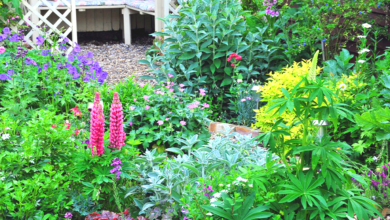
- Native plants like Rocky Mountain penstemon, blue grama grass, and yarrow handle Colorado’s dry conditions and clay or rocky soil far better than water-hungry ornamentals.
- Group plants by water needs to avoid overwatering drought-tolerant species just to keep thirstier plants alive nearby.
- Mulch heavily to retain what little moisture the soil gets, particularly during hot, dry summer stretches.
Colorado State University Extension offers detailed xeriscaping and native plant guidance tailored specifically to the state’s growing conditions, which is a strong resource for homeowners planning a water-conscious landscape.
6. Extend the Season With Heating
Colorado’s outdoor season can stretch well beyond summer if you plan for the temperature drop that comes with evenings, even during warmer months.
- Patio heaters, whether freestanding propane units or wall-mounted infrared heaters, extend comfortable use into shoulder seasons.
- Fire pits and fireplaces double as both heat source and gathering point.
- Heated flooring under a covered patio is a higher-investment option but keeps a space usable well into cooler months for homeowners who entertain frequently.
7. Protect Furniture and Structures From Sun Damage
Given the intensity of high-altitude UV exposure, protecting materials from sun damage deserves more attention in Colorado than in many other states.
- Choose solution-dyed acrylic fabric for cushions, which resists fading far better than standard printed fabric under intense sun.
- Apply UV-protectant sealants to wood decking and furniture annually to slow drying and cracking.
- Rotate or cover furniture during peak intensity months if it sits in direct, unshaded sun for most of the day.
8. Build for Elevation-Specific Landscaping Challenges
Mountain and high-elevation properties face additional landscaping considerations beyond what lower-altitude Front Range homes deal with.
- Shorter growing seasons at higher elevations mean plant selection needs to account for a compressed window of frost-free days.
- Soil at higher elevations is often rocky and less fertile, so amending soil before planting significantly improves results.
- Wildlife pressure, including deer and elk browsing on plants, is a bigger factor in mountain communities and should influence plant choice and fencing decisions.
9. Plan for Snow and Off-Season Storage
Colorado’s outdoor season includes a real winter, which means planning for storage and protection matters more here than in year-round mild climates.
- Choose furniture that can be easily covered or stored to avoid snow load and prolonged cold exposure.
- Use breathable, weatherproof furniture covers rather than fully sealed covers, which can trap condensation and encourage mold during freeze-thaw cycles.
- Position structures like pergolas and patio covers to handle expected snow loads, particularly in higher-elevation or mountain communities where snowfall is heavier.
Conclusion
Building a great outdoor living space in Colorado comes down to respecting the state’s unique combination of intense high-altitude sun, low humidity, strong wind, and dramatic temperature swings. Prioritize shade and UV-rated materials from the start, choose furniture and flooring built to handle both heat and cold without cracking, and lean into xeriscaping to work with the state’s limited rainfall rather than against it. Add a fire feature and some form of heating to stretch your usable season, and don’t overlook wind protection or snow-season storage. Handle those fundamentals, and a Colorado backyard can be one of the most-used spaces in the home for the better part of the year, even with the occasional snowstorm mixed in.