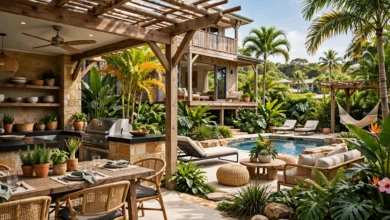
Outdoor Living Ideas Perfect for Homes in California
Outdoor living ideas for California homes, covering drought-smart design, wildfire safety, shade, and year-round entertaining spaces.
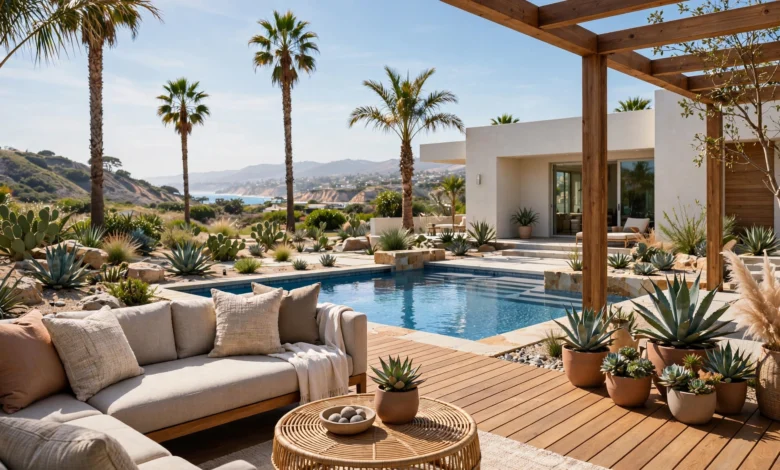
Outdoor Living Ideas: 10 Stunning Ways to Perfect Your California Home
Outdoor living ideas for California homes need to account for something most other states don’t have to think about nearly as much: a climate that lets you use your backyard almost every day of the year, alongside very real concerns like drought and wildfire risk. That combination makes California one of the best places in the country to invest in outdoor living space, but it also means the smartest designs are the ones that work with the state’s conditions rather than against them.
From the coastal fog belt around the Bay Area to the desert heat of the Inland Empire and the Mediterranean climate of Southern California, outdoor spaces here need to handle sun exposure, water restrictions, and in many areas, defensible space requirements tied to wildfire risk. At the same time, California’s mild winters mean a well-designed backyard can genuinely function as an extension of your living space nearly year-round, which is a real advantage compared to states where outdoor living shuts down for months at a time.
In this guide, we’ll walk through outdoor living ideas built specifically for California conditions, covering drought-tolerant landscaping, shade and sun management, fire safety considerations, and design choices that make the most of the state’s exceptional climate, so you can build a backyard that’s both beautiful and genuinely suited to where you live.
Why California’s Climate Shapes Every Outdoor Design Decision
California isn’t one climate, it’s several. Coastal areas deal with fog, salt air, and moderate temperatures, while inland and desert regions face intense heat and very low humidity. Northern California sees more rainfall and cooler temperatures than the south, and much of the state, particularly in wildland-urban interface areas, carries genuine wildfire risk that directly affects landscaping and structural choices near the home.
This variation matters because an outdoor design that works beautifully in San Diego might be poorly suited to Sacramento’s hot summers or Lake Tahoe’s colder mountain climate. According to CAL FIRE, homes in designated wildfire hazard zones are required to maintain specific defensible space around structures, including guidance on landscaping choices, which makes wildfire awareness a genuine design consideration for a large portion of California homeowners, not just an afterthought.
1. Design With Drought-Tolerant Landscaping
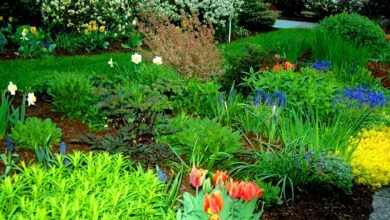
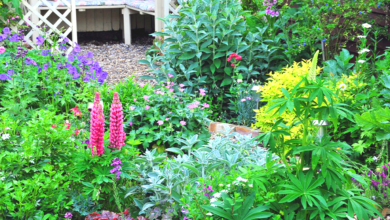
Water restrictions are a recurring reality across much of California, and drought-tolerant, or “xeriscape,” landscaping has become one of the most practical and popular outdoor living ideas in the state.
- California native plants like manzanita, ceanothus, and California poppy thrive with minimal irrigation once established and support local pollinators
- Succulents and drought-tolerant grasses add texture and visual interest while using a fraction of the water traditional lawns require
- Mulched or gravel groundcover reduces water evaporation and lowers overall irrigation needs across the yard
- Drip irrigation systems deliver water directly to plant roots, dramatically reducing waste compared to traditional sprinklers
Many California water districts offer rebate programs for replacing traditional lawns with drought-tolerant landscaping, so it’s worth checking with your local water provider before starting a redesign, since these programs can meaningfully offset renovation costs.
2. Prioritize Shade for Intense Sun Exposure
California sun is intense for much of the year, and shade is one of the most important factors in whether an outdoor space actually gets used during peak daylight hours.
Effective shade solutions for California yards include:
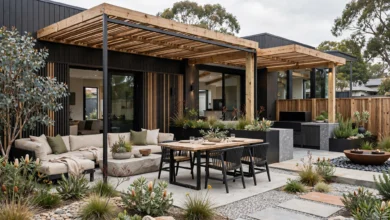
- Pergolas with retractable canopies, offering flexibility between full sun and full shade depending on the day
- Mature shade trees, particularly drought-tolerant native species that provide long-term cooling without heavy water demands
- Shade sails, a popular and budget-friendly option that suits California’s modern architectural style
- Covered patios attached directly to the home, extending usable living space with permanent protection from sun
Choosing Shade Based on Region
Coastal areas may need less aggressive shade coverage given cooler, foggier conditions, while inland and desert regions benefit from more substantial shade structures to make outdoor spaces usable during intense summer afternoons.
3. Build a Wildfire-Conscious Outdoor Space
For homeowners in wildfire-prone areas, particularly in wildland-urban interface zones across much of the state, outdoor design decisions carry real safety implications.
- Maintain defensible space by keeping vegetation trimmed and spaced according to CAL FIRE guidelines, especially within the zone closest to your home
- Choose fire-resistant landscaping materials, such as gravel, stone, or concrete hardscaping near structures, rather than dense, flammable plantings
- Select fire-resistant plant species and avoid highly flammable landscaping like dry ornamental grasses directly adjacent to the home
- Use non-combustible materials for patios, decking, and outdoor structures where possible in higher-risk zones
If your property sits within a designated fire hazard severity zone, it’s worth consulting your local fire department or a defensible space specialist before finalizing landscaping and hardscaping plans, since requirements can vary significantly by jurisdiction.
4. Add an Outdoor Kitchen for Year-Round Cooking
California’s mild climate makes outdoor kitchens genuinely practical for most of the year, not just a few summer months, which is part of why they’ve become such a popular investment across the state.
- A built-in grill with adjacent counter space handles the bulk of outdoor cooking needs
- Pizza ovens have become a popular addition, especially in Mediterranean-style backyard designs common throughout California
- Outdoor refrigeration keeps drinks and ingredients close at hand without trips back inside
- Bar seating around an outdoor kitchen island encourages casual gathering while cooking
5. Incorporate a Pool or Spa
Given California’s warm climate, a pool remains one of the most popular and highest-value outdoor living additions in the state.
- In-ground pools offer the most design flexibility and tend to add strong resale value in many California markets
- Plunge pools suit smaller urban and suburban lots where a full-size pool isn’t practical
- Spas and hot tubs extend usability into cooler winter evenings, particularly in coastal and mountain regions
If water conservation is a priority, look into pool covers, which reduce evaporation significantly, and consider newer, more water-efficient pool filtration systems when planning a new installation.
6. Create a Fire Pit or Fireplace Feature
Even with California’s warm daytime temperatures, evenings can cool off noticeably, especially near the coast or at higher elevations, making a fire feature both functional and a strong design centerpiece.
- Gas fire pits offer convenience and are often more compliant with local air quality and fire restrictions than wood-burning options
- Built-in outdoor fireplaces add a more architectural, permanent focal point for larger patios
- Portable fire features offer flexibility for renters or smaller outdoor spaces
Before installing a wood-burning fire feature, check local regulations, since some California counties and municipalities restrict or seasonally ban wood burning due to air quality concerns, particularly during fire season.
7. Design Multi-Use Outdoor Living Zones
Because California’s climate supports outdoor living nearly year-round, it makes sense to design distinct zones that serve different purposes rather than one general-use patio.
- A dining zone near the kitchen for easy meal service
- A lounge zone with comfortable, shaded seating for relaxing
- An entertainment zone that might include a fire pit, outdoor TV, or games area
- A garden or landscaped zone that adds greenery and visual softness between functional areas
This kind of zoning makes larger California backyards feel purposeful rather than sprawling, and it allows different areas to be used throughout the day as sun and shade patterns shift.
8. Choose Materials Suited to California’s Climate
Material selection matters given the state’s combination of intense sun, occasional wildfire smoke exposure, and in some regions, coastal salt air.
- Stone and concrete hardscaping hold up well to sun exposure and require minimal maintenance over time
- Powder-coated aluminum furniture resists UV fading better than many other frame materials
- Ipe or teak wood offers strong weather resistance for decking and furniture in coastal or inland settings alike
- UV-resistant fabrics for cushions and umbrellas prevent premature fading under California’s strong, consistent sunlight
9. Add Water-Wise Features Instead of Traditional Lawns
Beyond drought-tolerant plantings, several design features let homeowners enjoy a lush, finished look without the water demands of a traditional lawn.
- Artificial turf has become increasingly realistic and popular for high-use areas like play spaces or pet zones
- Gravel or decomposed granite pathways add texture and structure while using no water at all
- Dry creek beds function as attractive landscaping features that also help manage occasional heavy rainfall runoff
- Vertical gardens or living walls add greenery in a smaller footprint, using less water than a traditional garden bed of equivalent visual impact
The EPA WaterSense program offers detailed guidance on water-efficient landscaping design, which is a useful resource for California homeowners looking to balance a lush, inviting outdoor space with genuine water conservation.
10. Layer in Lighting for Evening Enjoyment
Because California evenings are usable for so much of the year, lighting design deserves real attention rather than an afterthought.
- String lights remain a simple, affordable way to add ambiance over patios and dining areas
- Path and landscape lighting improves safety and highlights drought-tolerant plantings after dark
- Fire features double as both heat and light sources for evening gatherings
- Smart, dimmable lighting systems allow flexibility between bright entertaining setups and softer, quieter evenings
Regional Considerations Across California
| Region | Climate Focus | Design Priority |
|---|---|---|
| Coastal (Bay Area, San Diego) | Fog, salt air, mild temps | Wind protection, corrosion-resistant materials |
| Inland Valleys (Sacramento, Fresno) | Hot, dry summers | Strong shade, drought-tolerant plants |
| Southern California (LA, Orange County) | Mediterranean, wildfire risk | Defensible space, fire-resistant hardscaping |
| Mountain/Foothill areas | Cooler temps, fire risk | Heating features, non-combustible materials |
Conclusion
Outdoor living ideas for California homes work best when they respect the realities of the state’s climate rather than fighting against them, from drought-tolerant landscaping and water-wise design to wildfire-conscious plant choices and shade solutions suited to intense sun exposure. Because California’s mild weather supports outdoor living for most of the year, the investment tends to pay off in a way that fewer other states can match, whether that’s a drought-tolerant garden, an outdoor kitchen, a fire feature, or a fully zoned backyard designed for daily use. Whatever combination fits your home and region, the smartest California outdoor spaces are the ones built with local conditions front and center from the very first design decision.
10 Keywords: