How to Hire the Right Landscape Designer for Your Yard
Hire the right landscape designer with confidence using these practical tips on portfolios, credentials, contracts, and budgets.
How to Hire the Right Landscape Designer for Your Yard: 8 Proven Tips for a Successful Outcome
Learning how to hire the right landscape designer can feel surprisingly overwhelming once you actually start researching your options. Unlike hiring a contractor for a straightforward repair, landscape design involves a mix of creative vision, technical knowledge about plants and drainage, and project management skills that vary enormously from one designer to the next. Two designers can look equally qualified on paper and still produce completely different results, both in terms of the design itself and how smoothly the project actually goes.
The good news is that hiring the right person for the job becomes much easier once you understand what to actually look for, which questions separate a genuinely skilled designer from someone who just has a nice portfolio website, and how to structure the relationship so expectations stay clear from the very beginning. This isn’t just about finding someone with good taste, it’s about finding someone who understands your specific yard, your climate, your budget, and how you actually plan to use the space.
This guide walks through eight practical steps for how to hire the right landscape designer for your yard, covering the difference between a landscape designer and a landscape architect, how to evaluate portfolios and credentials, what questions to ask during consultations, and how to structure a contract that protects both you and the designer. Whether you’re planning a full yard renovation or a smaller update to an existing space, these steps will help you find someone whose skills and style genuinely match what you’re trying to create.
Understanding What a Landscape Designer Actually Does
Before you start interviewing candidates, it helps to understand the scope of what a landscape designer typically handles, since this varies more than people expect.
Landscape Designer vs. Landscape Architect
These titles are sometimes used interchangeably, but they aren’t the same thing. A landscape architect typically holds a professional degree and license, and is trained to handle complex projects involving grading, drainage engineering, retaining walls, and structural elements. A landscape designer often has strong horticultural and design training but may not carry the same formal licensing, and typically focuses on planting design, layout, and aesthetics rather than engineering-heavy work.
For a straightforward residential yard redesign, a landscape designer is often perfectly suited to the job. For projects involving significant grade changes, drainage issues, or structural retaining walls, you may need a licensed landscape architect, or at least a designer who works closely with a structural engineer.
What Services Are Typically Included
Landscape design services generally include:
- Site analysis, including soil type, drainage patterns, and sun exposure
- Conceptual design sketches or 3D renderings
- Plant selection based on climate, maintenance level, and aesthetic goals
- Hardscape planning, such as patios, walkways, and lighting layout
- Project oversight if the designer also manages installation
1. Define Your Goals and Budget Before You Start Interviewing
One of the most important steps in learning how to hire the right landscape designer happens before you contact anyone at all. Walking into a consultation without a clear sense of your goals or budget makes it much harder for a designer to give you useful, realistic guidance.
Clarify How You Want to Use the Space
Think through practical questions like:
- Do you need space for entertaining, gardening, play areas for children or pets, or all of the above?
- How much ongoing maintenance are you realistically willing to do?
- Are there specific problem areas, like poor drainage or lack of privacy, that need to be addressed?
Set a Realistic Budget Range
Landscape design costs vary enormously depending on region, project scope, and whether the designer also manages installation. Having a rough budget range in mind before your first meeting helps designers propose realistic options rather than a plan that’s completely out of reach.
2. Search for Designers With Relevant Local Experience
A landscape designer with strong experience in your specific climate and region will understand which plants actually thrive locally, how your soil type affects drainage, and what maintenance realistically looks like throughout the year.
Ask About Climate-Specific Plant Knowledge
A design that looks beautiful in a rendering can fail quickly if the plant choices aren’t suited to your specific hardiness zone, rainfall patterns, or soil conditions. Ask candidates directly about their experience working in your exact region, not just broadly similar climates.
Look for Familiarity With Local Permitting and HOA Requirements
Some landscape projects, particularly those involving significant hardscaping, irrigation systems, or structural elements, may require permits or homeowners association approval. A designer with local experience will already understand these requirements and can help you avoid delays.
3. Review Portfolios Carefully, Not Just at a Glance
A polished portfolio website tells you less than you might think. Looking closely at the actual projects shown reveals much more about a designer’s range, consistency, and problem-solving skills.
- Look for variety in style, not just one repeated aesthetic across every project
- Pay attention to how designs age, if photos are available from different seasons or years after installation
- Notice how the designer handles challenging site conditions, like slopes, shade, or small spaces
Ask to See Projects Similar to Your Own
Request examples of projects with a similar scope, budget, or set of challenges to your own yard. A designer who’s completed dozens of large estate gardens may not be the best fit for a smaller urban backyard, and vice versa.
4. Check Credentials, Licensing, and Professional Associations
Depending on your project’s complexity, credentials matter more or less, but they’re always worth verifying.
Verify Licensing for Landscape Architects
If your project requires a licensed landscape architect, confirm their license status through your state’s licensing board. This is especially important for projects involving structural retaining walls, significant grading, or drainage engineering.
Look for Professional Association Membership
Membership in organizations like the American Society of Landscape Architects often indicates a commitment to ongoing education and professional standards, even for designers who aren’t formally licensed architects. You can learn more about their professional standards and how to find qualified professionals at asla.org.
5. Ask the Right Questions During Consultations
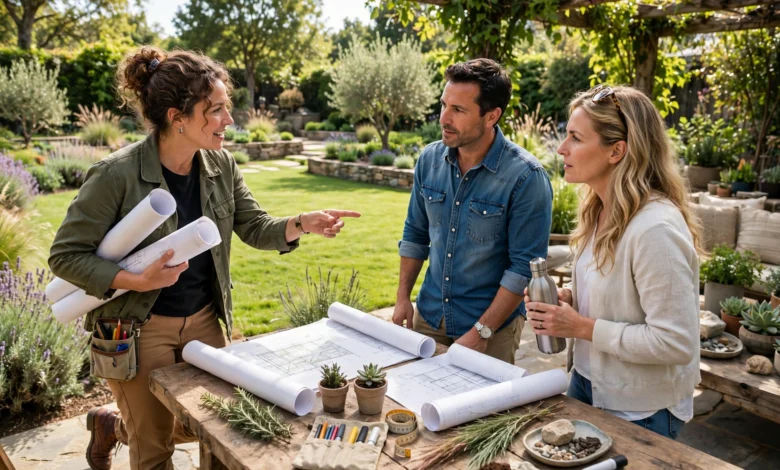
The consultation is your opportunity to evaluate not just a designer’s ideas, but how well you communicate with them and how they approach problem-solving.
Consider asking:
- How do you typically approach a site with challenges like poor drainage or heavy shade?
- What’s your process for selecting plants, and how do you balance aesthetics with maintenance requirements?
- Do you provide 3D renderings or detailed plans before installation begins?
- How do you handle budget adjustments if costs come in higher than expected during installation?
- Do you offer ongoing maintenance guidance or plant care instructions after installation?
Pay Attention to How They Listen
A good designer asks thoughtful follow-up questions about how you actually plan to use the space, rather than immediately pushing their own aesthetic preferences onto your project. This back-and-forth is often a strong indicator of how the working relationship will go.
6. Understand Pricing Structures Before Committing
Landscape designers charge for their services in different ways, and understanding these structures upfront prevents confusion later.
- Flat design fee: A set price for the design phase, separate from installation costs
- Hourly rate: Common for smaller projects or consultations
- Percentage of project cost: Sometimes used when the designer also manages installation and coordinates contractors
Ask directly which pricing model a designer uses and get a written estimate before moving forward, so there are no surprises once the project begins.
7. Get Everything in a Detailed Written Contract
Before any design work begins, make sure you have a clear, written agreement covering the scope of the project.
Your contract should include:
- A detailed description of deliverables, such as sketches, plant lists, and installation plans
- Payment schedule tied to specific milestones
- Timeline expectations for both design and installation phases, if applicable
- Revision policy, including how many rounds of changes are included before additional fees apply
- Who is responsible for coordinating and managing installation contractors, if the designer isn’t handling this directly
8. Confirm How Installation Will Be Managed
Some landscape designers only handle the design phase, leaving installation to separate contractors you’ll need to hire and manage yourself. Others offer full design-build services, managing the entire process from concept through completion.
Design-Only vs. Design-Build Services
Understanding which model a designer offers upfront helps you plan accordingly. Design-build services often provide more consistency between the original vision and the finished result, since the same team oversees the entire process, though this convenience typically comes at a higher overall cost.
Ask About Installation Timeline and Plant Sourcing
If installation is included, ask how the designer sources plants, how they handle seasonal planting windows, and what their typical timeline looks like from design approval to completed installation. Certain plants and hardscape materials have limited availability windows depending on the season, which can affect your overall project timeline.
Common Mistakes to Avoid When Hiring a Landscape Designer
Even homeowners who do their research sometimes run into avoidable pitfalls.
- Choosing based on price alone. The cheapest bid sometimes reflects inexperience with your specific climate or site challenges, leading to costly redesigns later.
- Skipping the site visit. A designer who creates a plan without visiting your actual yard may miss important details about sun exposure, drainage, or existing utility lines.
- Not asking about maintenance requirements upfront. A beautiful design that requires far more upkeep than you’re willing to provide often leads to disappointment within a year or two.
- Failing to discuss long-term plant growth. Plants that look perfectly sized at installation can outgrow their space within a few years if a designer doesn’t plan for mature growth patterns.
Final Thoughts on Hiring the Right Landscape Designer
Finding the right person for your yard comes down to clear preparation, careful research, and asking the kind of specific questions that reveal how a designer actually thinks and works, not just what their portfolio looks like on the surface. Understanding the difference between a landscape designer and a landscape architect, checking credentials and local experience, and getting a detailed written contract all protect you from the most common frustrations homeowners run into during a landscaping project. When you take the time to hire the right landscape designer for your specific yard, climate, and goals, you end up with outdoor space that not only looks great on day one, but continues to thrive and serve your needs for years to come.