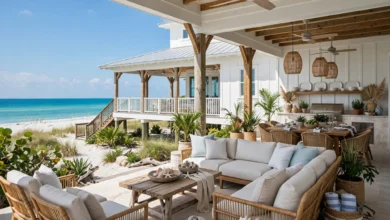
Outdoor Ideas Trending Across Homes in Queensland
Outdoor ideas trending across homes in Queensland, from tropical planting to cyclone-ready materials, alfresco layouts, and pool design.
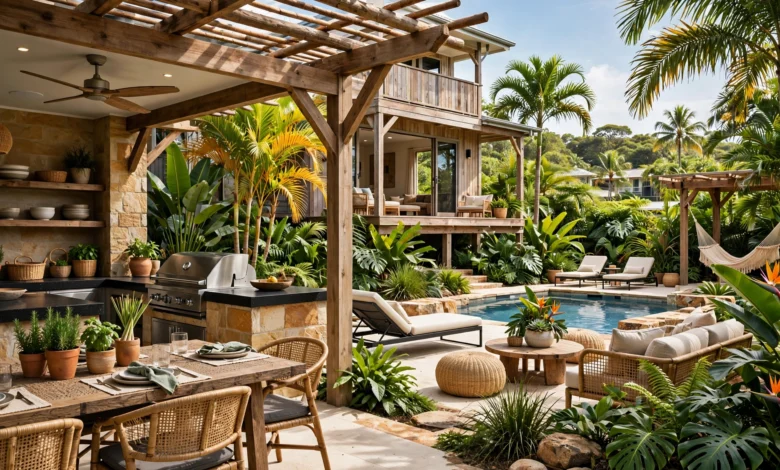
Outdoor Ideas Trending Across Homes in Queensland: 8 Standout Trends to Try This Year
Introduction
Outdoor ideas trending across homes in Queensland look different from what’s popular in the rest of the country, and for good reason. Queensland’s subtropical and tropical climate zones mean homeowners are designing for heat, humidity, storm season, and UV exposure that’s more intense and more constant than almost anywhere else in Australia. What works in a Melbourne courtyard or a Sydney backyard doesn’t always hold up in Brisbane’s summer humidity or Cairns’ wet season downpours.
This article looks at what’s actually gaining traction across Queensland properties right now, from the Gold Coast to Townsville, and why certain materials, layouts, and planting choices keep showing up. Some of these trends are about aesthetics, but a lot of them are practical responses to the climate: better shade solutions, cyclone-rated structures, and landscaping that doesn’t need daily watering to survive a Queensland summer.
We’ll cover outdoor kitchens and alfresco design, tropical and native landscaping, pool trends, shade and ventilation solutions, materials suited to humidity and coastal exposure, and a look at the regulatory side that homeowners often miss until it becomes a problem partway through a build. Whether you’re planning a full backyard renovation or just want to update a tired patio, this gives you a realistic picture of what’s working across Queensland right now and why.
1. Outdoor Kitchens and Alfresco Entertaining
Alfresco living has been part of Queensland’s design identity for a long time, but outdoor kitchens have moved from a luxury add-on to something closer to a standard feature in new builds and renovations across the state.
What’s Driving This Trend
Queensland’s warm climate means outdoor cooking and dining are realistic for most of the year, not just a few months like in cooler states. That extended usability is a big part of why homeowners are investing more heavily in these spaces rather than treating them as an afterthought.
Common features showing up in current alfresco designs:
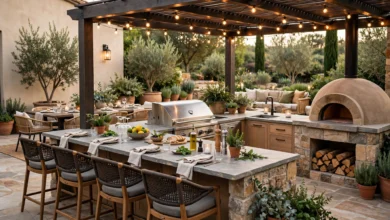
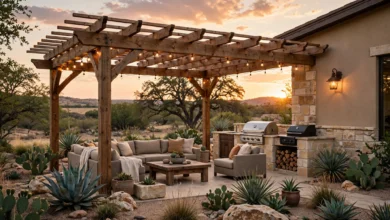
- Built-in barbecues and pizza ovens, often with stone or tiled surrounds that match the home’s exterior finishes.
- Servery windows connecting the indoor kitchen directly to the alfresco area, which cuts down on trips back and forth during entertaining.
- Bar seating and island benches outdoors, mirroring layouts that have become popular inside the home.
- Integrated fridges and storage, keeping drinks and food prep outside without constant trips indoors.
Covered vs Open Alfresco Areas
Given how much rain Queensland gets during the wet season, particularly in the north, covered alfresco areas are far more practical than fully open patios. A solid roof or a louvre system that can close during storms means the space stays usable even when the weather turns, which matters a lot more here than in drier parts of the country.
2. Tropical and Native Landscaping
Landscaping trends in Queensland lean heavily toward plants that can handle heat, humidity, and heavy seasonal rain without constant intervention. This is one of the clearest outdoor ideas trending across Queensland homes, since gardens built around the wrong plant choices tend to struggle within a single wet season.
Popular Plant Choices
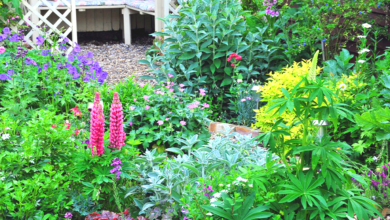
- Frangipani, bird of paradise, and cordyline for a tropical look that handles Queensland’s humidity well.
- Native grasses and lomandra for lower-maintenance garden beds that don’t need constant watering.
- Bougainvillea and other flowering climbers used along fences and pergolas for color without heavy upkeep.
- Palms and cycads, which remain a strong visual signature of Queensland gardens and cope well with both heat and heavy rain.
Resources like the Queensland Government’s gardening and landscaping guidance are a useful starting point for choosing species suited to your specific region, since conditions vary noticeably between southeast Queensland and the far north.
Designing for Wet Season Drainage
Heavy wet season rainfall means garden beds and lawns need proper drainage built in from the start. Raised garden beds, gravel drainage channels, and permeable paving all help prevent waterlogging, which is a common issue in poorly planned Queensland gardens, particularly on flatter blocks.
3. Pool Design Trends
A pool is close to a default feature in Queensland outdoor design, given how much of the year is warm enough to use one. Current trends move away from the standard rectangular pool toward more integrated, resort-style designs.
What’s Trending in Pool Design
- Plunge pools for smaller blocks, especially in denser Brisbane and Gold Coast suburbs where space is limited.
- Natural-look pools using dark tiling or pebble finishes to create a lagoon-style appearance rather than the classic bright blue.
- Swim-up bars and integrated seating ledges, which blur the line between the pool and the surrounding entertaining area.
- Solar pool heating, which extends usable months without the ongoing cost of gas or electric heating.
Compliance Requirements
Queensland pool regulations are strict, and for good reason. All pools require compliant fencing under the Queensland Building and Construction Commission (QBCC) rules, along with pool safety certification before a property can be sold or leased. It’s worth reviewing the QBCC’s pool safety requirements before finalizing any pool design, since setback distances, fencing height, and gate specifications are non-negotiable and checked during final inspection.
4. Shade and Ventilation Solutions
Given how intense Queensland’s sun is for most of the year, shade isn’t optional in outdoor design here the way it might be treated elsewhere. This is one of the more practical outdoor ideas trending across the state, driven as much by comfort and safety as by style.
Structural Shade Options
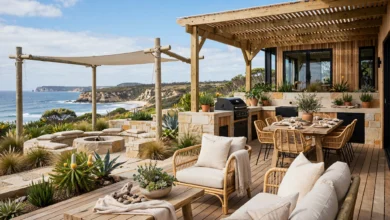
- Louvre roof systems that adjust from fully open to fully closed, giving flexibility between shade and airflow depending on weather.
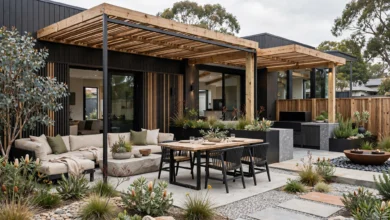
- Fixed pergolas with polycarbonate or Colorbond roofing, offering reliable shade with lower maintenance than fabric options.
- Shade sails, still a popular budget-friendly choice, particularly for pool areas and play spaces.
Passive Cooling and Airflow
Because Queensland’s humidity makes still air feel far hotter than the actual temperature, encouraging airflow through outdoor spaces matters as much as blocking direct sun. Design choices that help include:
- Positioning structures to catch prevailing breezes rather than blocking them.
- Using slatted or louvred walls instead of solid screening where privacy allows.
- Installing outdoor ceiling fans under covered alfresco areas, which has become a near-standard addition in new Queensland builds.
5. Materials That Handle Heat, Humidity, and Coastal Air
Material choice in Queensland has to account for UV exposure, humidity, and in coastal areas, salt air corrosion. Getting this wrong leads to warped timber, rusted fittings, and faded finishes within just a couple of years.
Decking and Flooring
- Composite decking has grown in popularity because it resists the warping and splitting that timber decking is prone to in humid conditions.
- Hardwood species like spotted gum remain a strong option for those who want a natural timber look, provided it’s properly sealed and maintained.
- Non-slip tile and stone paving work well around pools and wet areas, particularly finishes designed to stay cool underfoot despite direct sun.
Fixtures and Fittings
Stainless steel or marine-grade fittings are worth the extra cost in coastal Queensland locations, since standard fittings corrode noticeably faster in salt-heavy air. This applies to everything from deck screws to outdoor light fixtures and pool fencing hardware.
6. Cyclone and Storm-Ready Design
Storm season is a real design consideration in Queensland, particularly in coastal and northern regions, and it’s shaping how outdoor structures are being built.
Practical considerations showing up in current builds:
- Engineered pergolas and patio roofs rated for higher wind loads in cyclone-prone regions, rather than standard off-the-shelf kits.
- Secure, removable outdoor furniture or storage solutions for stowing cushions and lightweight items before a storm.
- Well-anchored garden structures, since loose pergola panels, umbrellas, and unsecured furniture are common causes of storm damage.
- Drainage planning that accounts for sudden, heavy rainfall rather than steady drizzle, which is common further south.
Checking your local council and Queensland building code requirements before construction, particularly in designated cyclone regions, avoids costly retrofits later. The Queensland Government planning portal outlines regional wind classifications and structural requirements that apply to outdoor builds.
7. Outdoor Lighting for Extended Evening Use
Queensland’s warm evenings mean outdoor spaces get used well after dark for a good chunk of the year, and lighting design has become more deliberate as a result.
Trends worth noting:
- Warm-toned LED strip lighting integrated into pergola beams and steps, rather than bolted-on fixtures.
- Pool and water feature lighting, which extends the resort-style feel into the evening.
- Motion-sensor security lighting paired with softer ambient lighting, balancing safety and atmosphere.
- Smart lighting systems controlled via app or voice, allowing brightness and color temperature adjustments depending on the occasion.
8. Multi-Purpose Outdoor Living Zones
Rather than a single patio or alfresco area, a growing number of Queensland homes are being designed with multiple distinct outdoor zones, each suited to a different use.
This might look like:
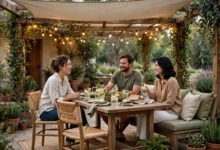
- A covered dining and cooking zone near the house for daily use.
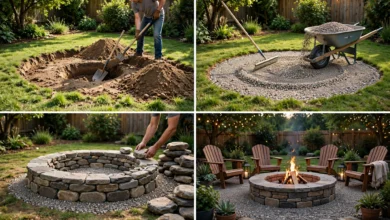
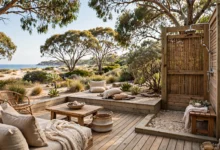
- A separate lounge or fire pit area further into the yard for evening relaxation.
- A dedicated pool and sun deck zone, often slightly elevated or screened from the main entertaining area.
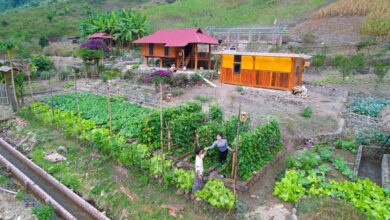
- A kids’ play zone or vegetable garden, positioned away from the main entertaining spaces but still connected by pathways.
This zoning approach makes larger blocks feel more functional and gives a backyard multiple reasons to be used throughout the day, rather than concentrating everything into one space that competes for the same footprint.
Conclusion
The outdoor ideas trending across homes in Queensland right now are shaped almost entirely by the state’s climate: heat, humidity, intense sun, and a real cyclone and storm season that can’t be ignored in the design process. That means covered alfresco kitchens, tropical and native planting suited to wet season drainage, resort-style pools built to strict safety codes, serious shade and airflow planning, and materials chosen specifically to handle humidity and coastal air. Add in cyclone-rated structures, layered evening lighting, and distinct zones for cooking, lounging, and swimming, and it becomes clear that Queensland’s outdoor design trends are as much about function and durability as they are about style.