10 Design & Planning Mistakes to Avoid Before You Renovate
Design and planning mistakes cost renovators time and money. Avoid these 10 pitfalls before you renovate to keep your project on track.
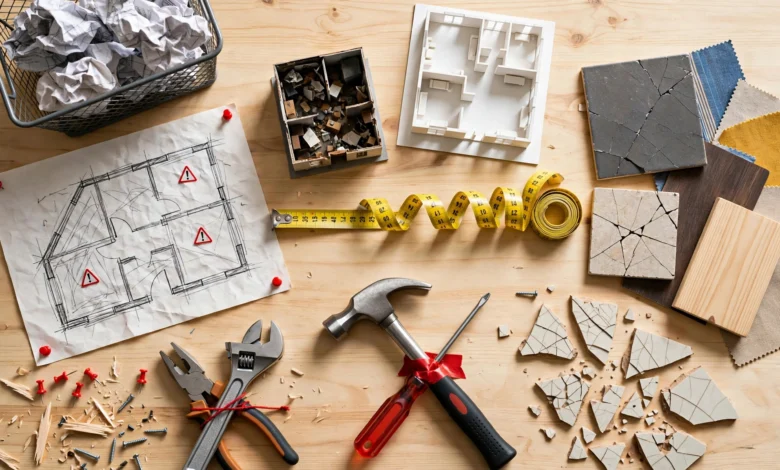
Design and Planning Mistakes: 10 Costly Errors to Avoid Before You Renovate
Design and planning mistakes are the number one reason renovations run over budget, drag past deadline, or leave homeowners with a space they don’t actually love. It rarely comes down to bad luck. Most of the time, it comes down to decisions made, or skipped, before a single wall came down.
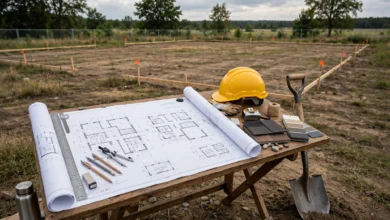
Renovation shows make the process look effortless. A montage of demo, a few dramatic reveals, and suddenly there’s a finished kitchen. What those shows leave out is the planning work that happens beforehand: the measurements, the budget spreadsheets, the permit applications, the honest conversations about what’s actually feasible. Skip that stage, or rush through it, and you’re setting yourself up for change orders, blown budgets, and a project that takes twice as long as it should.
This article breaks down the ten design and planning mistakes that show up again and again in renovation projects, based on patterns experienced contractors and designers see repeatedly. Some of these mistakes are financial. Others are about sequencing, communication, or simply not slowing down enough before demo starts. All of them are avoidable with a bit of upfront planning.
Whether you’re renovating one room or taking on a whole-house remodel, understanding these common missteps before you start gives you a real shot at finishing on time, on budget, and with a space that actually works the way you need it to.
Why Design and Planning Mistakes Happen So Often
Renovations are exciting, and excitement tends to push people toward action before they’ve fully thought things through. It’s also easy to underestimate how much planning a renovation actually requires, especially for anyone who hasn’t been through the process before.
A few reasons these mistakes keep repeating across renovation projects:
- Momentum outpaces preparation. Once a project feels real, it’s tempting to start buying materials or hiring contractors before the plan is finalized.
- Budgets are built on hope, not research. Many first-time renovators estimate costs based on what they’d like to spend, not what similar projects actually cost.
- Design decisions get made under pressure. Waiting until materials are needed on-site to choose finishes often leads to rushed, regrettable choices.
Understanding this pattern is the first step toward avoiding it. The ten mistakes below cover the specific ways this shows up in real renovation projects.


1. Skipping a Detailed Design Plan Before Hiring a Contractor
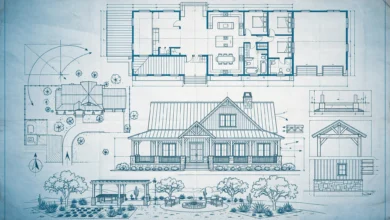
One of the most common design and planning mistakes is bringing in a contractor before the design itself is finished. Contractors build; they aren’t always the ones shaping the vision. Without finalized floor plans, elevations, and material selections, a contractor is essentially estimating blindly, which leads to vague quotes and expensive change orders once real decisions get made mid-project.
Before reaching out to contractors, aim to have:
- A clear floor plan, even if it’s a rough sketch to start.
- A list of must-have features, separated from nice-to-have extras.
- Reference images or inspiration that reflect the finishes and style you actually want.
2. Underestimating the Renovation Budget
Renovation costs almost always run higher than the initial estimate, which is exactly why padding your budget matters. A common recommendation among renovation professionals is to add an extra 15 to 20 percent on top of your projected costs to account for the unexpected.
A few budgeting habits that prevent this mistake:
- Get at least three contractor estimates before settling on a number.
- Research material costs directly, rather than relying on outdated online estimates.
- Set aside a contingency fund specifically for surprises uncovered once work begins.
According to the Nationwide renovation guide, renovations often cost more than homeowners initially expect, which is why building in extra budget room from the start is one of the most effective ways to avoid financial stress mid-project.
3. Ignoring Structural and Safety Issues
It’s tempting to jump straight to cosmetic upgrades, new paint, new fixtures, without addressing what’s happening underneath. Skipping structural or safety issues is one of the more expensive planning mistakes a renovator can make, because it often means undoing finished work later to fix a problem that should have been handled first.
Priorities that should come before cosmetic decisions:
- Foundation and structural integrity, especially in older homes.
- Electrical systems, particularly outdated wiring that can’t support modern appliances.
- Plumbing condition, since hidden leaks can cause damage long after finishes are installed.
4. Skipping Permits to Save Time or Money
Some renovations legally require permits, especially projects that affect zoning, structural elements, or plumbing and electrical systems. Skipping this step to save time or avoid fees is a common but risky design and planning mistake. Unpermitted work can create real problems later, including fines, complications at resale, and even safety hazards that go unnoticed until it’s too late.
Before starting any significant renovation, check with your local building department to confirm:
- Whether your specific project requires a permit.
- What documentation or inspections are required along the way.
- How long the permit review process typically takes in your area, since this affects your overall timeline.
5. Not Measuring Carefully Enough
Measurement errors sound minor, but they’re one of the most common and most avoidable renovation mistakes. Materials like flooring, tile, and wallpaper often need extra allowance beyond exact measurements, since patterns or matching dye lots may not be available later if you run short.
A few measurement habits worth adopting:
- Measure three times before ordering materials or cutting anything.
- Order slightly more material than calculations suggest, especially for patterned or textured finishes.
- Double-check clearances for doors, appliances, and any moving components before finalizing layout decisions.
6. Chasing Trends Instead of Timeless Design
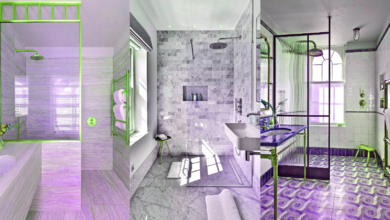
It’s easy to get pulled toward whatever design trend is dominating social media at the moment, but trend-driven choices tend to age quickly, especially for permanent elements like flooring, cabinetry, or tile. This is one of the design and planning mistakes that doesn’t show up immediately. It shows up a few years later, when the “of the moment” choice starts to feel dated.
A useful test before committing to a bold trend:
- Would you still choose this if it weren’t currently popular?
- Is this something you can easily update later if your taste changes (paint, decor), or is it a permanent, expensive-to-replace element (tile, cabinetry)?
- Save bold trends for smaller, less permanent details, and lean toward classic choices for big-ticket items.
7. Overlooking Functionality for the Sake of Looks
A beautiful design that doesn’t function well ends up frustrating the people who actually live in the space. This is especially common in kitchens, where the classic “work triangle” between refrigerator, sink, and stove gets overlooked in favor of an aesthetic layout that looks great in photos but is inconvenient to actually cook in.
Functional questions worth asking during the design phase:
- Does the layout support how the space is actually used day to day?
- Is there enough storage, counter space, or circulation room for the household’s real needs?
- Will this choice still make sense in five years, or is it built around a temporary situation?
8. Cutting Corners on Materials to Save Money
Choosing the cheapest available materials often costs more in the long run, since lower-quality products tend to wear out faster and need replacement sooner. This is one of the planning mistakes that feels like saving money in the moment but usually isn’t once you factor in the cost of redoing the work.
A smarter approach to material budgeting:
- Splurge on high-use, high-visibility elements like countertops, flooring, and cabinetry.
- Save on lower-impact items that are easy and inexpensive to update later, like hardware or light fixtures.
- Avoid skimping on hidden but critical elements, like waterproofing membranes in bathrooms, which prevent much costlier problems down the line.
9. Failing to Plan for Renovation Disruption
Renovations are messy, noisy, and inconvenient, even when everything goes according to plan. Underestimating this disruption is a common design and planning mistake, especially for projects involving a home’s only kitchen or bathroom.
Practical ways to plan around the disruption:
- Set up a temporary kitchen or workspace if a major renovation will take that room offline for weeks.
- Communicate a realistic timeline with everyone in the household, including children or roommates who’ll be affected daily.
- Time larger projects around slower seasons, since contractors are often less busy (and more flexible on pricing) outside peak renovation months.
10. Changing the Design Mid-Project
Once demolition starts, changing your mind about a design decision becomes far more expensive than it would have been during the planning phase. This is one of the costliest design and planning mistakes because it doesn’t just add expense, it usually adds delay too, since materials may need to be reordered and schedules rearranged.
Ways to minimize mid-project changes:
- Finalize every major decision before demo begins, including layout, finishes, and fixtures.
- Walk through the full plan with your contractor before work starts, so both sides are working from the same expectations.
- Save new ideas for a future project rather than adding them mid-renovation, where they’re guaranteed to cost more.
Common Threads Behind These Renovation Mistakes
Looking at these ten mistakes together, a clear pattern emerges. Nearly all of them come down to one root cause: moving faster than the planning actually supports. According to HGTV’s renovation experts, even small measurement or material errors can significantly affect the final result, which reinforces just how much precision and patience matter throughout the process, not just at the start.
How to Spot Design and Planning Mistakes Before They Happen
Most design and planning mistakes give off warning signs before they become expensive problems. Learning to recognize these signs early can save a project from spiraling.
A few red flags worth watching for:
- A contractor gives a vague quote without asking for finished drawings or a materials list first.
- You’re making major decisions on the spot, at a showroom or supply store, rather than as part of a planned selection process.
- The budget has no contingency line item, meaning any surprise immediately eats into money earmarked for something else.
- Nobody in the household has agreed on the final layout, which often surfaces mid-project as conflicting requests to the contractor.
Catching even one or two of these signs early is usually enough to pause, revisit the plan, and avoid a much costlier correction later.
A few habits that help avoid nearly all of these pitfalls at once:
- Finish the design before hiring anyone to build it.
- Budget generously and track spending as you go.
- Address structural and safety issues before cosmetic ones.
- Resist the urge to change plans once work has started.
How to Put This Into Practice
Bringing these lessons together into a simple sequence before you renovate:
- Finalize your design plan, including layout and material selections, before contacting contractors.
- Set a padded budget and get multiple estimates for comparison.
- Confirm permit requirements with your local building department.
- Prioritize structural and safety work before cosmetic upgrades.
- Choose timeless finishes for permanent, high-cost elements.
- Lock in your design decisions before demolition begins.
Conclusion
Avoiding design and planning mistakes comes down to slowing down before the work begins, finishing the plan, padding the budget, checking permit requirements, and prioritizing structure and function over trend-chasing and rushed decisions. The ten mistakes covered here, from skipping a real design plan to changing course mid-project, all share the same root cause: moving faster than proper planning allows. Renovators who take the time to measure carefully, choose materials wisely, and finalize decisions before demolition consistently end up with smoother projects, smaller budget overruns, and results they’re actually happy living with for years afterward. A little patience upfront is what separates a renovation that goes smoothly from one that turns into a costly, stressful ordeal.
Keywords: