Design & Planning Tips Every First-Time Homeowner Needs
Design and planning tips every first-time homeowner needs to avoid costly mistakes and build a functional, stylish home from day one.
Design and Planning Tips: 10 Essential Ideas Every First-Time Homeowner Must Know
Design and planning tips matter most in the first few months after you get the keys, because that’s when most of the expensive mistakes happen. You walk through your new place, mentally redecorating every room, and it’s tempting to start buying furniture and paint the same weekend you move in. That urge is normal, but it’s also how a lot of first-time homeowners end up with a mismatched living room, a kitchen backsplash they regret, or a budget that’s gone before the real projects even start.
This article walks through the design and planning tips that actually make a difference for someone settling into their first home. It’s not about turning your house into a magazine spread right away. It’s about making smart decisions early, so the choices you make now still work for you five or ten years down the road. That means understanding your space before you furnish it, setting a realistic budget before you shop, and knowing which projects deserve your time first.
Whether you’re dealing with an outdated kitchen, an awkward floor plan, or just a blank canvas you don’t know how to approach, these tips are built around one idea: slow down, plan first, and let the design follow. By the end, you’ll have a clear framework for tackling your first home without the overwhelm, the overspending, or the redo-it-in-a-year regret that trips up so many new owners.
Why Design and Planning Tips Matter for First-Time Homeowners
Buying a home and decorating a home are two completely different skill sets. Nobody expects a first-time buyer to already know how to plan a renovation budget, choose a paint sheen, or figure out which wall is load-bearing. That’s exactly why design and planning tips exist: they fill the gap between “I own a house now” and “I actually know what I’m doing with it.”
Skipping the planning stage is one of the most common and most expensive mistakes new owners make. According to the National Association of Realtors, homeowners consistently cite lack of planning and unclear budgets as major factors in renovation projects running over cost and over schedule. A little structure upfront saves real money later.
A few reasons planning should come before decorating:
- It prevents wasted spending. Painting a wall you’re about to remove, or buying furniture that won’t fit a future layout, burns money you’ll need for bigger projects.
- It reveals your priorities. Living with a space for a few weeks shows you what actually bothers you, versus what just looked outdated on move-in day.
- It protects your budget. A clear plan keeps you from overspending on the fun stuff (decor) before you’ve covered the necessary stuff (repairs, systems, safety).
1. Live in the Space Before You Change It
One of the simplest design and planning tips for a first home is patience. Give yourself at least a few weeks, ideally a full season, before making major changes. You’ll notice things a quick walk-through never revealed: where the afternoon sun hits hardest, which rooms feel cramped with your actual furniture in them, or which storage spots you never use.
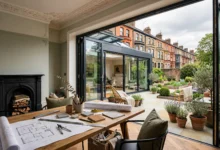

This waiting period isn’t wasted time. It’s research. Take notes or photos as you go, so when you’re ready to plan renovations or buy furniture, you’re working from real experience instead of guesswork.
2. Set a Realistic Renovation Budget
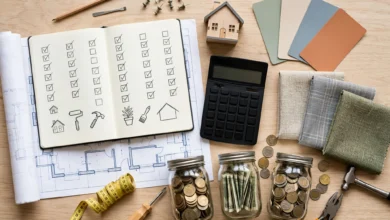
Before any home planning begins, get honest about numbers. A realistic budget should account for both the projects you want and the ones you don’t, like an aging water heater or an electrical panel that needs updating.
A simple way to structure a first-year home budget:
- Emergency reserve – set aside funds for unexpected repairs (roof, plumbing, HVAC).
- Essential upgrades – anything affecting safety, function, or energy efficiency.
- Cosmetic projects – paint, lighting, decor, and furniture.
- Wish-list items – the bigger renovations you can save toward over time.
Ranking your budget this way keeps you from spending your entire decorating fund on a statement light fixture before you’ve checked whether your furnace actually works.
3. Get a Full Home Inspection Report Review
If you already had an inspection during closing, revisit that report before starting any design work. It usually flags issues that should shape your planning tips and priorities, things like outdated wiring, roof age, or insulation gaps that aren’t visible but affect both comfort and long-term cost.
Addressing these structural and system-level issues first means you won’t need to tear out fresh paint or new flooring later to fix something underneath it.
Why This Step Gets Skipped (And Why It Shouldn’t)
Inspection reports are long and technical, so a lot of new owners file them away and forget about them. But treating that report as your first planning document, rather than a closing formality, can prevent thousands of dollars in avoidable repairs.
4. Create a Room-by-Room Priority List
Rather than trying to design your entire home at once, break it down room by room. This is one of the most practical design and planning tips for staying organized and on budget.
A useful approach:
- Rank rooms by daily use. Kitchens, bathrooms, and bedrooms usually deserve attention before guest rooms or formal living areas.
- Separate “needs” from “wants.” A broken cabinet hinge is a need. A statement wallpaper wall is a want.
- Tackle one room fully before moving to the next. Partially finished rooms tend to stall out and drain momentum (and budget).
5. Understand Your Floor Plan Before Buying Furniture
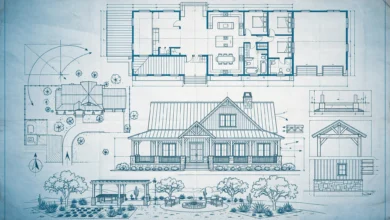
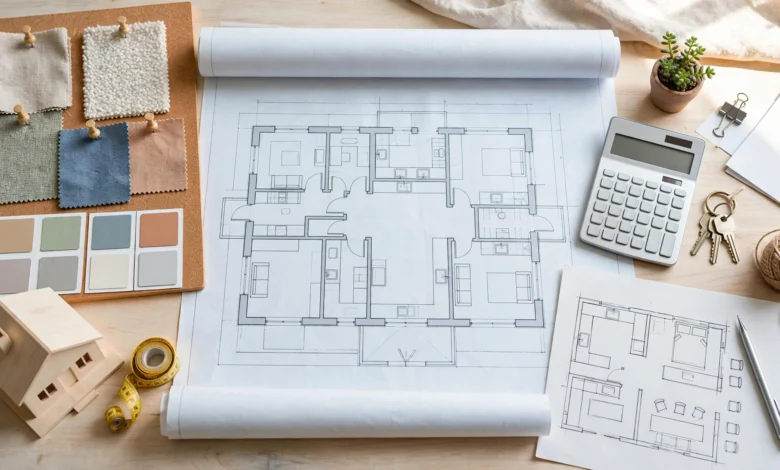
Measuring your space sounds obvious, but it’s one of the most skipped planning tips among first-time buyers. Before purchasing anything large, sketch a rough floor plan (graph paper or a free room-planning app both work fine) and note doorways, outlets, windows, and traffic flow.
This step prevents two common and costly mistakes:
- Buying a sofa or table that’s too large for the room’s actual flow.
- Placing furniture in a way that blocks natural pathways through the space.
6. Choose a Cohesive Color Palette Early
Picking paint colors room by room, without any overall plan, is how homes end up feeling disjointed. Choosing a whole-home color palette early is one of the more overlooked design and planning tips, but it makes every future decision easier, from flooring to furniture to trim.
A simple palette structure that works in most homes:
- A neutral base (whites, warm grays, soft beiges) for walls and larger surfaces.
- One or two accent colors used consistently across rooms for cohesion.
- A metal finish (brass, matte black, brushed nickel) chosen once and repeated in hardware and fixtures throughout the house.
7. Prioritize Function Before Aesthetics
It’s tempting to design around how a room looks in photos, but function should come first, especially in kitchens, entryways, and bathrooms. Good home planning means asking how a space will actually be used before deciding how it should look.
Some functional questions worth asking room by room:
- Where does clutter tend to collect, and how can storage solve it there specifically?
- Is there enough counter space near the stove, sink, and prep areas?
- Does the entryway have a place for shoes, coats, and bags, so they don’t end up on the floor?
8. Don’t Underestimate Lighting
Lighting gets overlooked constantly in early design and planning tips, yet it changes how a room feels more than almost any other single choice. A dim, single-bulb ceiling fixture makes even a well-decorated room feel flat and uninviting.
A layered lighting approach works in nearly every room:
- Ambient light – general overhead lighting for the whole space.
- Task light – focused lighting for reading, cooking, or work areas.
- Accent light – lamps or sconces that add warmth and depth in the evening.
9. Plan for Storage Before You Decorate
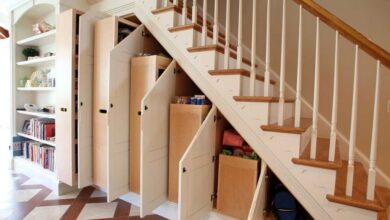
Storage is one of those practical planning tips that’s easy to ignore until you’re living with the consequences. Before adding decor, assess what storage your home actually offers, closets, pantry space, garage, attic, and identify gaps early.
Simple storage additions that pay off long term:
- Closet organizers to maximize vertical space in small closets.
- Built-in shelving in underused corners or awkward nooks.
- Multi-purpose furniture, like storage ottomans or beds with drawers, in smaller rooms.
10. Build a Home Maintenance Calendar
Design and planning shouldn’t stop once a room looks finished. Ongoing maintenance is part of protecting the investment you just made. According to the U.S. Department of Housing and Urban Development, routine home maintenance directly affects both a property’s condition and its long-term value, which matters whether you plan to stay for years or eventually sell.
A simple seasonal checklist helps:
- Spring: gutter cleaning, HVAC filter checks, exterior inspection.
- Summer: deck or patio maintenance, pest control checks.
- Fall: heating system service, weatherproofing windows and doors.
- Winter: pipe insulation checks, smoke detector battery replacement.
Common Mistakes First-Time Homeowners Make When Planning
Even with good intentions, a few mistakes show up again and again:
- Decorating before repairing. New paint over an unresolved leak just means repainting twice.
- Ignoring resale value entirely. You don’t need to design around future buyers, but very personal or unusual choices can limit flexibility later.
- Overspending on one room. A stunning kitchen doesn’t offset a home with no working smoke detectors or an aging roof.
- Skipping permits on bigger projects. Structural or electrical changes without proper permits can cause problems at resale, even if the work itself looks fine.
How to Put These Design and Planning Tips Into Action
Bringing all of this together doesn’t require a strict schedule, just a logical order:
- Live in the home for a few weeks before making major decisions.
- Review your inspection report and address safety or structural issues first.
- Set a tiered budget covering emergencies, essentials, cosmetics, and wish-list items.
- Choose a whole-home color palette before picking individual paint colors.
- Tackle one room at a time, prioritizing function over appearance.
- Build a seasonal maintenance routine so your home holds its value.
Conclusion
Design and planning tips exist to slow first-time homeowners down just enough to avoid the expensive, easily preventable mistakes that come with rushing into a new space. Living in your home before changing it, setting a realistic tiered budget, reviewing your inspection report, and planning room by room all work together to protect both your money and your sanity. Function should guide most early decisions, with aesthetics layered in once the essentials are handled, and a simple seasonal maintenance routine keeps your investment in good shape for years to come. Taken together, these tips turn the overwhelming first year of homeownership into a manageable, step-by-step process that leaves you with a home that actually works for the way you live.
Keywords: