18 Living Room Ideas That Make a Big Style Statement
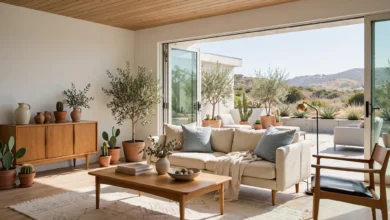
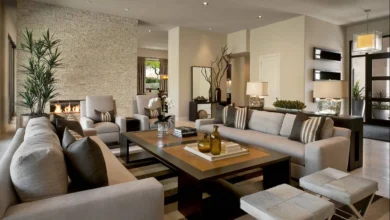
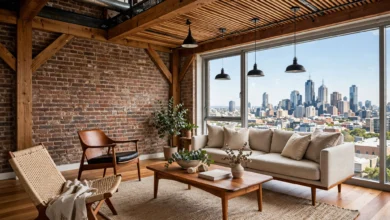
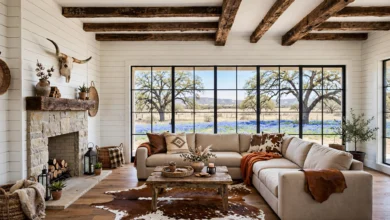
Living room ideas that turn a plain space into a bold, memorable room. 18 practical looks anyone can copy this year.
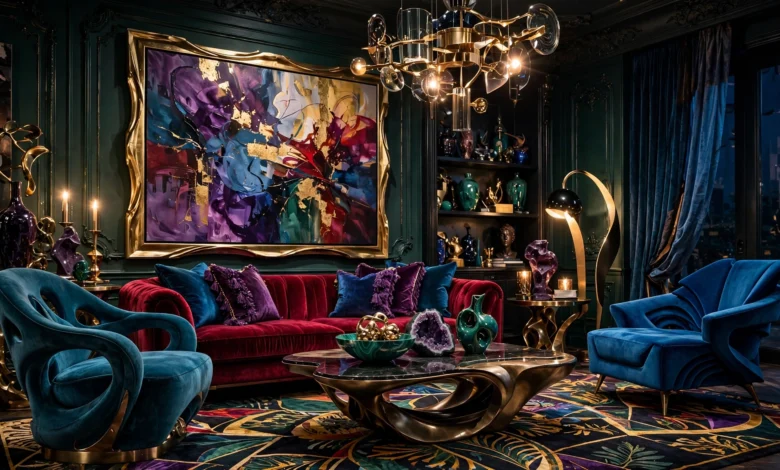
Living room ideas don’t have to mean starting from zero or hiring a designer. Most of the rooms that stop people in their tracks are built from a handful of smart choices layered on top of each other: one bold color, one great light fixture, a rug that actually fits the space. If your living room currently feels like it’s playing it safe, you’re not alone. It’s the room every guest sees first, and it’s also the room that gets neglected the longest because “safe” beige and a matching sofa set feel like the low-risk option.
The truth is, a living room with real personality doesn’t need to be expensive or complicated. It needs a point of view. Maybe that’s a deep green wall, a gallery of mismatched frames, or a coffee table that looks like nothing else in the house. This guide walks through 18 living room ideas that range from easy weekend projects to slightly bigger commitments, all aimed at giving your space a look people remember. Whether you’re working with a rental, a fixer-upper, or a room you’ve lived in for a decade and stopped noticing, there’s something here you can use. Let’s get into it.
1. Paint One Wall a Color You’d Normally Avoid
A single accent wall in a saturated color, think forest green, rust, or navy, does more for a room than almost any other change. It gives the eye somewhere to land and makes the rest of your furniture look intentional rather than random. Pick the wall behind your sofa or the one you see first when you walk in, since that’s where the color earns its keep.
- Test the color on poster board and move it around the room before committing
- Pair a dark wall with brighter trim to keep the room from feeling heavy
- Use matte or eggshell finish for a more sophisticated look than glossy paint
2. Bring In an Oversized Piece of Art
Small framed prints scattered around a wall often read as clutter. One large piece, even a budget canvas print, acts as a statement piece that anchors the whole room. Hang it slightly lower than eye level over the sofa so it feels connected to the furniture instead of floating near the ceiling.
3. Layer Rugs Instead of Using Just One
Layering a smaller patterned or textured rug over a larger neutral jute or sisal rug adds depth without overwhelming the room. This trick works especially well in living room decor that already has a lot going on with furniture and art, since it grounds everything without adding visual noise.
4. Choose a Sculptural Coffee Table
Your coffee table sits at the center of the room, so it’s worth treating it like a design decision instead of an afterthought. A stone pedestal table, a live-edge wood slab, or a curved organic shape instantly upgrades the space and becomes a natural conversation piece when guests walk in.
5. Go Bold With a Statement Ceiling
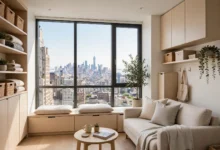
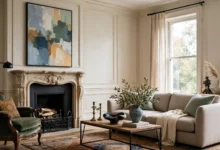
Most people forget the ceiling exists. Painting it a deep color, adding wallpaper, or installing wood beams turns it into what designers call the “fifth wall.” This is one of the more dramatic living room ideas on this list, but it delivers outsized impact because so few rooms do it.
Why the Ceiling Works So Well
Ceilings catch light differently than walls do, so a bold color there tends to feel richer and more saturated than the same shade would on a wall. It also makes standard 8- or 9-foot ceilings feel more custom and less builder-grade.
6. Mix Furniture Eras and Styles
A room filled entirely with matching furniture from one store often looks flat. Mixing a mid-century modern chair with a contemporary sofa and a vintage side table creates visual interest and makes the room feel collected over time rather than purchased in one trip. According to the Interior Design Association, rooms that blend eras tend to photograph and live better because the eye has more to explore.
- Keep one unifying element, like a repeated color or material, across mismatched pieces
- Thrift or vintage shop for one or two anchor pieces instead of an entire set
- Balance an ornate piece with something simple so nothing competes for attention
7. Install Floor-to-Ceiling Curtains
Hanging curtains close to the ceiling, well above the window frame, and letting them fall all the way to the floor tricks the eye into thinking the ceiling is taller than it is. This is one of the cheapest home decor upgrades that makes a genuinely noticeable difference in how finished a room feels.
8. Add a Gallery Wall With Intention
Gallery walls get a bad reputation when they’re thrown together randomly. Done with a plan, a mix of frame sizes, black and white photography, and a couple of textured pieces like woven wall hangings creates a statement wall that feels curated instead of cluttered.
Planning the Layout Before You Hang Anything
Lay the frames out on the floor first, or trace them on paper and tape the paper to the wall. This lets you adjust spacing and balance before you commit to nail holes.
9. Use a Bold Patterned Wallpaper
Wallpaper has made a real comeback, and a large-scale botanical, geometric, or abstract pattern on one wall can transform a plain living room into something with real character. Removable options make this approachable even for renters who want to experiment without a long-term commitment.
10. Choose Lighting as a Design Feature, Not an Afterthought
Swapping a builder-grade flush mount for a sculptural pendant, a cluster of globe lights, or a dramatic floor lamp changes the entire feel of a room after dark. Good lighting design does double duty: it looks striking during the day and sets the mood at night.
- Layer three light sources: overhead, table, and floor lamps
- Use warm bulbs (2700K–3000K) for a cozier feel in the evening
- Dimmer switches let one fixture serve multiple moods throughout the day
11. Commit to a Monochromatic Color Scheme
Instead of scattering several accent colors around the room, pick one hue and use it in varying shades and textures, think dusty blue walls, a slightly darker blue sofa, and pale blue throw pillows. This monochromatic approach reads as sophisticated and intentional rather than matchy.
12. Bring In Oversized Plants
A single large plant, like a fiddle leaf fig or a bird of paradise, fills an empty corner and adds life and texture that furniture alone can’t provide. Plants also soften hard lines in a room full of straight-edged furniture and modern finishes.
13. Install Open Shelving for Display
Open shelving styled with books, ceramics, and a few personal objects turns storage into decor. This works particularly well as a living room idea for people who want function and style in the same feature, rather than choosing between a bare wall and a bulky cabinet.
14. Add a Fireplace Feature Wall
If you already have a fireplace, treat the surrounding wall as its own design moment. Floor-to-ceiling tile, a reclaimed wood mantel, or a plaster finish turns a standard fireplace into the room’s clear focal point.
Working Without an Existing Fireplace
An electric fireplace insert or a faux mantel with candles can achieve a similar visual anchor without the cost or complexity of a real installation.
15. Use Textiles to Add Warmth and Texture
Chunky knit throws, velvet pillows, and a boucle accent chair bring tactile variety into a room that might otherwise rely too heavily on hard surfaces. Mixing textures is one of the simplest ways to make a space feel finished, and it costs far less than replacing furniture.
16. Try a Dark, Moody Color Palette
Not every statement room needs to be bright. Deep charcoal walls, black trim, and warm brass accents create a moody living room that feels intimate and dramatic, especially in rooms with good natural light to balance the darker tones. The National Association of Realtors has noted that bold, well-executed color choices can actually be a selling point rather than a liability when a home eventually goes on the market.
17. Rearrange Furniture Away From the Walls
Pushing every piece of furniture against the wall is a common habit, but it often makes a room feel smaller and less inviting. Floating the sofa slightly away from the wall, angling chairs toward each other, and creating a defined conversation area makes the room feel more like a designed space and less like a waiting room.
18. Add One Unexpected Design Element
Every standout room usually has one thing that doesn’t quite match, an antique mirror, a neon sign, a taxidermy piece, or a boldly colored vintage chair. This single unexpected element gives the room a story and keeps it from feeling like it was pulled straight from a catalog.
Frequently Asked Questions
What makes a living room feel like it has a “style statement”? It usually comes down to one or two bold choices, like a color, a piece of art, or a lighting fixture, rather than trying to make every element stand out at once.
Do I need to renovate to make my living room look different? No. Paint, textiles, lighting, and furniture rearrangement can transform a room without any structural changes.
How many accent colors should a living room have? Most designers recommend sticking to one dominant accent color with one or two supporting neutrals to avoid a room feeling chaotic.
Conclusion
A living room that makes a real style statement isn’t about spending the most money or filling every surface with decor. It’s about making a few deliberate choices, a bold wall color, a sculptural coffee table, layered lighting, or one unexpected piece, and letting those choices do the work. These 18 living room ideas give you a starting point whether you want a dramatic overhaul or a handful of small updates over a few weekends. Pick the two or three that feel most like you, commit to them fully, and the rest of the room will start to fall into place around them.
Keywords