Modern Living Room Ideas Trending Across Australia
Modern Living Room Ideas Trending Across Australia: 10 stunning, on-trend styles blending indoor-outdoor living, natural materials, and light.
Modern Living Room Ideas Trending Across Australia: 10 Stunning Styles to Try in 2026
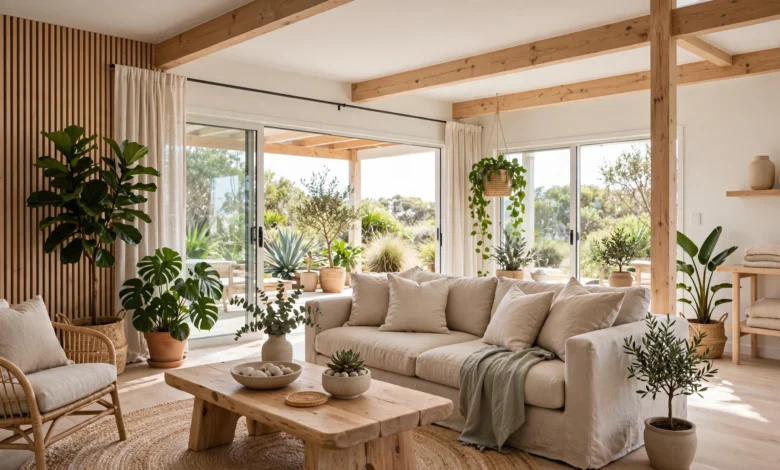
Modern living room ideas trending across Australia right now share a common thread: they’re built around light, natural materials, and a strong connection to the outdoors. That’s not a coincidence. Australia’s climate, from the coastal warmth of Sydney and Brisbane to the drier heat of Perth and Adelaide, has always shaped how people design their homes. Living rooms here aren’t just indoor retreats. They’re often the space that bridges the gap between inside and out, opening onto a deck, courtyard, or alfresco area for a good part of the year.
What’s changed recently is how deliberately this connection is being designed into new builds and renovations alike. Rather than treating the living room as a closed-off box, homeowners and designers across the country are leaning into open layouts, natural textures, and a more relaxed, layered approach to furnishing that suits Australia’s outdoor lifestyle without sacrificing comfort during cooler months. In this article, we’ll break down ten modern living room ideas currently trending across Australia, covering everything from indoor-outdoor flow and natural materials to color palettes and sustainable design choices. Whether you’re in a beachside home in Byron Bay, a Victorian terrace in Melbourne, or a new-build in the Perth suburbs, these ideas reflect what’s actually shaping Australian interiors right now, not just what looks good in a showroom.
Why Australian Living Rooms Are Evolving
Australia’s living room trends are shaped heavily by climate, lifestyle, and a growing focus on sustainability. Long, warm summers across most of the country mean living spaces are designed to stay cool and open, often with large sliding or bifold doors connecting directly to an outdoor entertaining area. At the same time, growing awareness around energy efficiency and sustainable building has pushed many homeowners toward materials and layouts that reduce reliance on air conditioning and artificial lighting. The Green Building Council of Australia has highlighted that sustainable design choices, including natural ventilation and material selection, are becoming a bigger priority in residential renovations, not just new commercial builds. You can read more about these shifts through the Green Building Council of Australia.
This mix of climate-driven design and sustainability awareness is exactly why modern Australian living rooms look and function differently from trends coming out of colder, more enclosed climates. Openness, natural light, and material honesty tend to matter more here than heavy layering or maximalist decor.
10 Modern Living Room Ideas Trending Across Australia
Here are ten design directions currently shaping Australian living rooms, from coastal homes to inner-city apartments.
1. Indoor-Outdoor Flow With Sliding or Bifold Doors
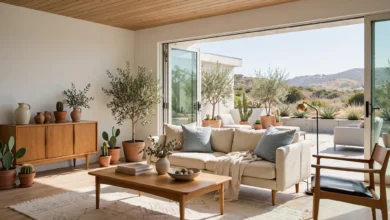
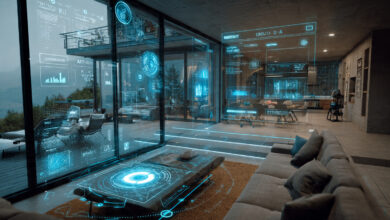
One of the clearest trends across Australian homes is the blurring of lines between the living room and outdoor entertaining areas. Large sliding or bifold doors that open the living room directly onto a deck, patio, or courtyard let homeowners extend their living space significantly during warmer months. This layout isn’t just aesthetic. It genuinely changes how the room is used, turning it into a flexible space that expands outward rather than staying boxed in.
2. Natural, Raw Materials Take Center Stage
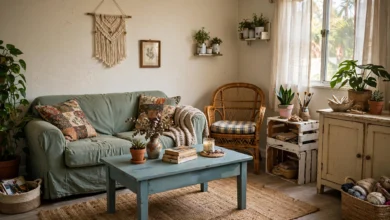
Timber, rattan, linen, and stone are showing up more frequently in Australian living rooms, often left in their natural, slightly imperfect finishes rather than heavily polished or painted. This trend reflects a broader move toward materials that feel authentic and tactile. Look for:
- Timber coffee tables with visible grain and natural edges
- Rattan or cane armchairs for texture without visual weight
- Linen upholstery on sofas for a relaxed, breathable feel
- Stone or concrete side tables for a grounded, tactile contrast
3. Warm, Earthy Color Palettes
Cool greys and stark whites, once dominant in modern interiors, are giving way to warmer, earthier tones across Australian living rooms. Terracotta, olive green, warm taupe, and soft ochre are appearing frequently in cushions, rugs, and accent walls. These tones tend to suit Australia’s strong natural light better than very cool or stark palettes, which can feel harsh under bright sun.
4. Statement Ceiling Fans as Functional Design Pieces
With much of Australia experiencing hot summers, ceiling fans have shifted from purely functional additions to intentional design statements. Matte black or timber-bladed fans are increasingly chosen to complement the room’s overall aesthetic rather than being treated as an afterthought, particularly in homes that rely on natural airflow instead of constant air conditioning.
5. Layered, Textural Rugs Over Timber or Polished Concrete Floors
Hard flooring, whether timber, polished concrete, or tile, is common across much of Australia due to the climate, but it can leave living rooms feeling stark without the right layering. Textured wool or jute rugs are a major trend right now, softening hard floors while still suiting a warm-weather home better than heavier carpeting.
6. Curved and Organic Furniture Shapes
Sharp, boxy furniture is giving way to softer, curved silhouettes in modern Australian living rooms. Rounded sofas, curved armchairs, and organic-shaped coffee tables are appearing frequently in renovation projects and new furniture collections alike, reflecting a broader shift toward softer, more relaxed interior forms.
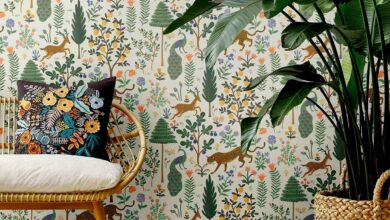
7. Biophilic Design and Native Greenery
Bringing the outdoors in has become a defining feature of modern Australian interiors. This goes beyond a few potted plants. Homeowners are increasingly incorporating:
- Native Australian plants suited to indoor light, like kentia palms and native ferns
- Living walls or vertical planters in smaller apartments
- Large windows specifically positioned to frame garden or landscape views
- Natural materials that echo the surrounding environment, such as local stone or timber
This biophilic approach ties directly back to the strong indoor-outdoor connection that defines much of Australian residential design.
8. Multi-Zone Open-Plan Layouts
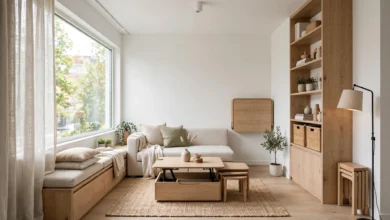
Rather than one large, undefined open-plan space, many Australian living rooms are now designed with clearly zoned areas within an open layout, a reading nook, a media zone, and a conversation area, often separated with rugs, furniture placement, or subtle changes in flooring material. This approach keeps open-plan living rooms feeling organized and purposeful rather than overwhelming.
9. Sustainable and Low-Impact Furnishing Choices
Sustainability continues to influence furniture and material choices across Australian homes. More buyers are looking for locally made furniture, FSC-certified timber, and low-VOC finishes, both for environmental reasons and for improved indoor air quality in warmer climates where windows may stay open for extended periods. According to Sustainability Victoria, choosing durable, well-made furniture over fast, disposable pieces is one of the most effective ways households can reduce their environmental footprint at home. More detail on sustainable home choices is available through Sustainability Victoria.
10. Statement Lighting With a Sculptural Edge
Lighting has become a bigger design focus in Australian living rooms, moving beyond simple functional fixtures toward sculptural pendant lights, oversized floor lamps, and layered lighting that adapts to both bright daytime use and softer evening entertaining. Natural materials like woven rattan shades and timber bases are especially popular, tying lighting choices back into the broader natural-materials trend shaping the rest of the room.
Regional Differences Across Australia
While these trends are widespread, regional climate differences still shape how they’re applied.
- Coastal cities (Sydney, Gold Coast, Byron Bay): Strong emphasis on indoor-outdoor flow, light linen furnishings, and airy, breezy layouts suited to humidity.
- Melbourne and southern states: More layering with rugs and warmer tones to balance cooler, more variable weather, while still keeping an open, light-filled layout.
- Perth and drier western regions: Focus on natural ventilation, ceiling fans, and materials that handle heat well, like stone and polished concrete.
- Inner-city apartments: Compact, multi-zone layouts with vertical greenery and space-conscious furniture choices, since outdoor connection is often limited to balconies.
Choosing Materials That Suit Australia’s Climate
Because much of Australia experiences strong sun exposure and, in some regions, high humidity, material choice matters as much as style. When furnishing a modern living room, consider:
- UV-resistant fabrics for rooms with large windows or strong afternoon sun
- Moisture-resistant timber finishes in coastal or humid areas
- Breathable upholstery like linen or performance fabrics rather than heavy velvet in warmer regions
- Durable, easy-clean flooring suited to indoor-outdoor foot traffic
Choosing materials with the climate in mind helps a modern living room hold up well over time, rather than needing frequent replacement due to sun damage or humidity.
Common Mistakes to Avoid
Even with strong design instincts, a few missteps can undercut an otherwise well-planned modern living room:
- Overusing cool white palettes that feel harsh under Australia’s strong natural light
- Ignoring UV exposure when choosing fabrics near large windows
- Closing off indoor-outdoor flow with heavy furniture blocking sliding doors
- Skipping ventilation planning, relying entirely on air conditioning instead of natural airflow
- Choosing trend-driven pieces that don’t suit the home’s actual climate or orientation
Avoiding these mistakes helps ensure a modern living room stays functional and comfortable well beyond the current design cycle.
Conclusion
Modern living room design across Australia is being shaped by a clear set of priorities: strong indoor-outdoor connection, natural and sustainable materials, warm earthy palettes, and layouts built around the country’s climate rather than against it. From bifold doors that open onto outdoor entertaining spaces to curved furniture, biophilic touches, and sculptural lighting, these ten modern living room ideas trending across Australia reflect a broader shift toward relaxed, light-filled interiors that work with the environment rather than fighting it. Whether you’re renovating a coastal home or refreshing an inner-city apartment, these trends offer a practical, climate-aware starting point for a living room that feels both current and genuinely livable.