Living Room Ideas for a Farmhouse-Style Home in Texas
Farmhouse living room ideas for Texas homes: layouts, colors, textures, and furniture tips that bring warmth, comfort, and rustic charm.
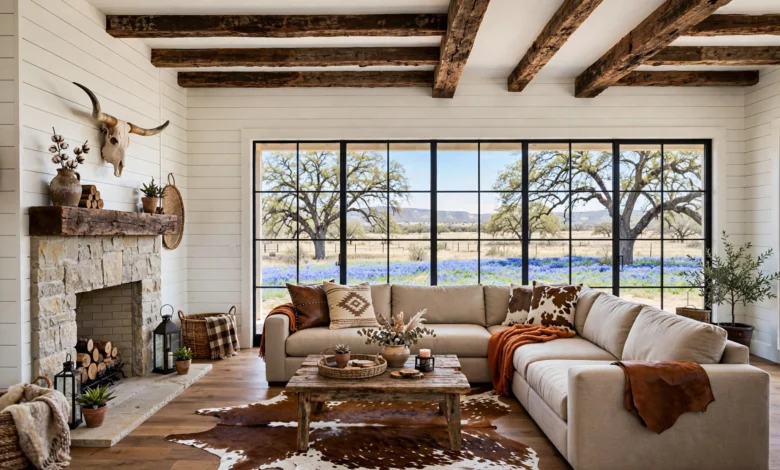
Farmhouse Living Room Ideas: 15 Stunning Ways to Style Your Texas Home
Introduction
Farmhouse living room ideas have become one of the most requested design styles across Texas, and it’s easy to see why. This look blends rustic warmth with everyday comfort, giving families a room that feels lived-in without looking messy. Texas homeowners in particular gravitate toward this style because it fits the state’s ranch heritage, wide-open landscapes, and love of natural materials like wood, stone, and leather.
Whether you own a hill country ranch home, a suburban house in the Dallas-Fort Worth area, or a cottage outside Austin, a farmhouse-style living room can be adapted to fit almost any floor plan or budget. The style isn’t about copying a magazine spread exactly. It’s about layering in the right mix of shiplap, neutral tones, vintage accents, and durable furniture that can handle real life, including kids, pets, and Texas heat.
In this guide, we’ll walk through practical, room-by-room ideas for creating a Texas farmhouse living room that feels authentic rather than staged. You’ll find advice on wall treatments, furniture arrangement, lighting, color palettes, and small details that pull the whole look together. By the end, you’ll have a clear plan for turning your living room into a warm, welcoming space your whole household will want to spend time in.
1. Start With a Neutral, Warm Color Palette
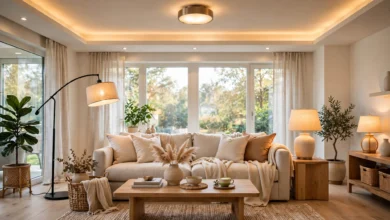
The foundation of any farmhouse living room is its color scheme. Most successful farmhouse spaces lean on warm whites, soft greiges, and muted earth tones rather than stark, cold colors.
- Warm white walls (think creamy off-white rather than bright white) create a soft backdrop that works with both wood and metal accents.
- Greige (a gray-beige blend) is a popular choice for Texas homes because it handles bright natural light well without feeling flat.
- Deep, muted accent colors like sage green, terracotta, or navy can be introduced through pillows, throws, or a single accent wall.
Texas light tends to be strong and direct for much of the year, so test paint swatches on your actual walls at different times of day before committing. A color that looks perfect in the store can shift dramatically under afternoon sun.
Popular Farmhouse Paint Combinations
- White or cream walls with dark wood ceiling beams
- Greige walls with black window trim
- Soft white walls with a sage or olive accent wall behind the sofa
2. Bring In Shiplap Without Overdoing It
Shiplap is practically synonymous with farmhouse design, largely thanks to its popularity on home renovation shows. But a full room of shiplap can feel busy, especially in a smaller space.
A better approach for most Texas farmhouse living rooms is to use shiplap as an accent rather than a full treatment:
- Install it on a single feature wall behind the sofa or television
- Use it to frame a fireplace
- Add it to a portion of the ceiling for a subtle architectural detail
Painted white shiplap keeps the room bright and airy, which matters in Texas homes that already deal with strong sunlight and heat for much of the year. If you want texture without the commitment of shiplap, board-and-batten paneling or wood plank walls offer a similar rustic effect with a slightly different look.
3. Choose Furniture That’s Both Comfortable and Durable
Farmhouse living room furniture should feel inviting first and stylish second. Deep, overstuffed sofas in neutral linen or performance fabric are a staple of the style, and they hold up well to daily use.
When shopping for furniture, keep these guidelines in mind:
- Prioritize performance fabrics. Texas households often deal with kids, pets, and dust, so stain-resistant or easy-clean upholstery saves headaches later.
- Mix materials. Pair a soft, slipcovered sofa with a leather accent chair or a reclaimed wood coffee table for contrast.
- Look for turned legs and simple silhouettes. Farmhouse furniture avoids overly ornate details in favor of clean, functional shapes.
- Choose a coffee table with storage. A trunk-style or lift-top coffee table adds farmhouse character while keeping blankets and remotes out of sight.
Vintage or vintage-inspired pieces work especially well here. A weathered wood bench at the foot of a sectional, or a repurposed farm table used as a console behind the sofa, adds authenticity that new furniture alone can’t replicate.
4. Layer in Natural Textures
Texture is what separates a true farmhouse-style living room from a generic neutral room. Without it, an all-white or all-beige space can feel flat.
Bring texture in through:
- Chunky knit throws draped over the arm of a sofa or chair
- Woven jute or sisal rugs layered under a smaller patterned rug
- Linen or cotton pillow covers in varying weaves
- Rattan or wicker accent pieces, like a basket for firewood or magazine storage
- Rough-hewn wood, whether it’s a mantel, beam, or side table
Layering multiple textures in similar tones keeps the room from feeling too matchy while still looking intentional. This is one of the easiest and most affordable ways to update a room that already has good bones.
5. Add a Statement Fireplace
A fireplace often becomes the visual anchor of a farmhouse living room, and Texas homes lucky enough to have one should lean into it as a focal point.
Popular fireplace treatments include:
- Whitewashed or German schmear brick, which softens the look of traditional red brick without fully covering it
- Shiplap surrounds painted white or a soft neutral
- Reclaimed wood mantels, which add rustic character and a sense of history
- Stone veneer, particularly limestone, which nods to Texas hill country architecture
If your living room doesn’t already have a fireplace, a media console styled to look like a mantel, paired with wall-mounted shiplap or paneling, can create a similar effect without construction.
6. Use Exposed or Faux Wood Beams
Ceiling beams are a signature feature in many Texas farmhouse homes, adding architectural interest and drawing the eye upward. Real structural beams are the most authentic option, but faux beams made from lightweight polyurethane or hollow wood boxes achieve nearly the same look at a fraction of the cost and installation time.
Beams work particularly well in living rooms with vaulted or high ceilings, which are common in many Texas ranch-style and hill country homes. Stained a warm walnut or espresso tone, they create contrast against white or light-colored ceilings and tie the room’s wood tones together.
7. Choose the Right Lighting Fixtures
Lighting plays a bigger role in farmhouse design than many homeowners realize. The right fixtures reinforce the style, while the wrong ones (think sleek chrome or ultra-modern glass) can clash with the room’s warmth.
Look for:
- Wrought iron or matte black chandeliers with simple, geometric shapes
- Woven pendant lights made from rattan or wicker
- Lantern-style fixtures, which nod to farmhouse and industrial influences
- Layered lighting, combining a central fixture with table lamps and floor lamps for a softer, more livable glow in the evening
Dimmer switches are worth the investment here. Farmhouse living rooms are meant to feel cozy after dark, and harsh overhead lighting works against that goal.
8. Incorporate Vintage and Reclaimed Accents
Authenticity is what makes a farmhouse living room feel collected over time rather than purchased all at once from a single store. Vintage and reclaimed pieces add that sense of history.
Ideas worth considering:
- An antique ladder leaned against the wall and used to display quilts or throws
- A vintage trunk repurposed as a coffee table
- Old window frames turned into wall art or mirrors
- Galvanized metal buckets or tins used as planters or storage
- A weathered wood sign or piece of salvaged barn wood as a statement piece above the sofa
Texas has no shortage of antique malls, estate sales, and salvage yards, particularly in areas like the hill country and smaller rural towns, making it easier to source authentic pieces rather than mass-produced imitations.
9. Balance Rustic With Modern Comfort
The most successful modern farmhouse living rooms don’t look like a cabin from the 1800s. They blend rustic materials with contemporary comfort and technology.
A few ways to strike that balance:
- Mount the television above the fireplace or on a shiplap wall so it blends into the design rather than competing with it
- Choose a sectional sofa with clean lines instead of an overly traditional or ornate style
- Add black metal accents (light fixtures, window frames, hardware) to give the room a slightly industrial edge
- Keep window treatments simple: linen curtains or woven wood shades work better than heavy, formal drapes
This balance is especially important in Texas, where many homes mix ranch-style architecture with updated, family-friendly interiors.
10. Choose Farmhouse-Friendly Rugs
Area rugs anchor the seating area and add warmth underfoot. For a farmhouse living room, look for:
- Jute or sisal rugs for natural texture, especially as a base layer
- Vintage-inspired patterned rugs in faded, muted tones (Persian or Turkish-style patterns work particularly well)
- Striped or plaid wool rugs for a more classic country look
Layering a smaller patterned rug over a larger jute rug is a popular trick that adds depth without overwhelming the room. In Texas homes with tile or hardwood floors, a rug also helps soften the space acoustically and makes the seating area feel more defined.
11. Style Open Shelving and Built-Ins
Open shelving and built-in bookcases are common in farmhouse design because they let you display items you actually love rather than hiding everything behind closed cabinet doors.
Tips for styling shelves:
- Mix books (spines in and spines out) with a few decorative objects
- Use baskets on lower shelves to corral remotes, cords, or kids’ toys
- Add a small plant or two for a bit of life and color
- Avoid overcrowding; leave breathing room between groupings
Built-in bookcases flanking a fireplace are a classic farmhouse feature and work especially well in living rooms with higher ceilings, giving you both storage and a place to showcase family photos or collected treasures.
12. Bring the Outdoors In With Plants and Greenery
Texas farmhouse style draws heavily from the state’s rural, agricultural roots, and greenery is part of that connection. Large potted plants, like a fiddle leaf fig or olive tree, add height and softness to a room full of hard textures like wood and stone.
Smaller touches, like a vase of dried wheat, eucalyptus, or cotton stems, are an easy and inexpensive way to bring in a rustic, seasonal feel without much maintenance.
13. Keep Window Treatments Simple
Heavy, formal drapes tend to clash with the relaxed nature of farmhouse design. Instead, opt for:
- Light linen curtains in white or a soft neutral
- Woven wood or bamboo shades
- Simple roman shades in a natural fabric
If privacy or light control is a bigger concern (which it often is with Texas’s intense summer sun), layer a functional blackout shade underneath a decorative linen curtain. This keeps the room looking soft while still managing heat and glare.
14. Add Personal, Regional Touches
What separates a Texas farmhouse living room from a generic farmhouse look is the regional character layered on top. Consider adding:
- A piece of local artwork depicting Texas landscapes, bluebonnets, or longhorns
- A vintage map of Texas or your specific county
- Leather accents, like a distressed leather ottoman, that nod to ranch culture
- Cowhide as a small rug, pillow, or bench cover for texture and regional flavor
These details keep the space from feeling like a copy of a Pinterest board and make it feel like your home.
15. Don’t Forget the Small Details
The finishing touches often make the biggest difference in tying a farmhouse-style living room together:
- Swap standard switch plates and outlet covers for oil-rubbed bronze or matte black options
- Add wood or ceramic knobs to any nearby cabinetry
- Use candles in simple glass or metal holders instead of ornate candlesticks
- Choose curtain rods and hardware in matte black or aged bronze to match your lighting
According to interior design coverage from <cite index=”2-1″>Homes & Gardens</cite>, even small choices like a custom built-in bookcase or a pair of colorful armchairs can add real warmth and personality to a farmhouse-style family room. Details like these are often what visitors remember most.
Common Mistakes to Avoid
Even with the best intentions, a few missteps can make a farmhouse living room feel off. Watch out for:
- Too much white. Without any contrast or texture, an all-white room can feel sterile instead of cozy.
- Overdoing the theme. A room full of “Live Laugh Love” signs and mason jars can tip into cliché territory. Aim for a handful of well-chosen accents instead.
- Ignoring scale. Farmhouse furniture tends to be substantial. A tiny loveseat in a large room will look out of place.
- Skipping texture. Flat, single-material rooms lose the cozy, collected feel that makes farmhouse design work.
- Cold lighting. Bright white LED bulbs can clash with the warm, rustic feel you’re going for. Stick with warm-toned bulbs, generally in the 2700K to 3000K range.
Budget-Friendly Ways to Get the Look
You don’t need a full renovation to bring farmhouse living room ideas into your space. Some lower-cost updates include:
- Painting one accent wall instead of the whole room
- Swapping out hardware and light fixtures for matte black or bronze options
- Adding textured throw pillows and a chunky knit blanket
- Sourcing a vintage piece or two from a local antique shop or estate sale
- Layering a jute rug under your existing furniture
Small, targeted updates like these can shift the entire feel of a room without a major investment, which makes farmhouse style approachable for almost any budget.
Final Thoughts on Choosing Your Farmhouse Style
Not every farmhouse living room needs to look identical. Some Texas homeowners lean toward a modern farmhouse look with cleaner lines and more black accents, while others prefer a softer, more traditional cottage style with pastel colors and floral touches. As design coverage from <cite index=”4-1″>Home Bunch Interior Design Ideas</cite> has noted, much of the current interest in Texas farmhouse style traces back to well-known builders and designers who have shaped the look into something distinctly regional. The best approach is to pick the elements from this guide that genuinely suit how your family lives, rather than trying to check every box at once.
Conclusion
Creating a farmhouse living room in your Texas home comes down to layering warmth, texture, and comfort in a way that feels natural rather than forced. Start with a neutral color palette, add architectural character through shiplap or beams, and bring in a thoughtful mix of new furniture, vintage finds, and natural textures. Pay attention to lighting, keep window treatments simple, and don’t be afraid to add regional touches that reflect where you actually live. Whether you’re working with a full renovation budget or just a few weekend projects, these ideas can help you build a living room that’s comfortable, timeless, and unmistakably yours.
Keywords: