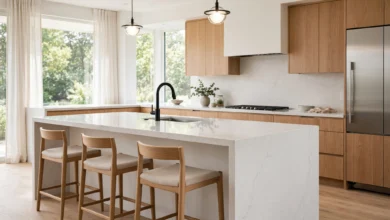
Kitchen & Dining Renovation Costs Homeowners Should Expect in Florida
Kitchen & dining renovation costs in Florida range widely by scope and materials. See real 2026 price breakdowns before you budget.

Kitchen & Dining Renovation Costs Florida Homeowners Should Expect: 7 Real 2026 Price Breakdowns
Kitchen & dining renovation costs in Florida catch a lot of homeowners off guard, and not in a good way. You start pricing out cabinets, get a countertop quote, add in labor, and suddenly a project you budgeted at $20,000 is creeping toward $50,000. That gap between what people expect to pay and what a renovation actually costs is one of the most common frustrations contractors hear across the state, from Miami to Tampa to Orlando.
Florida adds its own layer of complexity to any kitchen or dining room project. Humidity, salt air, hurricane-resistant building requirements, and a construction market that shifts with the seasons all play a role in what you’ll ultimately spend. A cabinet material that works fine in a dry inland climate might warp within a few years near the coast. A contractor’s schedule and rates can swing 10-20% depending on whether you’re renovating during hurricane season or the winter tourist rush.
This guide breaks down what Florida homeowners actually pay for kitchen and dining room renovations in 2026, based on real project data from across the state. You’ll find cost ranges by renovation tier, a breakdown of where your money goes, regional pricing differences between major Florida metros, and the state-specific factors that push costs up or down. Whether you’re planning a simple refresh or a full gut renovation, you’ll walk away with realistic numbers to build your budget around.
Average Kitchen Renovation Costs in Florida
Kitchen renovation costs in Florida typically fall between $15,000 and $75,000, with most homeowners landing somewhere around $25,000 to $50,000 for a mid-range project. That’s roughly in line with the national average, though specific Florida markets can push well past that ceiling depending on location and finish level.
Here’s how the numbers generally break down by project tier:
- Basic/cosmetic refresh: $10,000-$25,000. This covers cabinet refacing or painting, laminate or budget countertops, standard appliances, and minor flooring updates without moving plumbing or walls.
- Mid-range remodel: $25,000-$55,000. This is the most common tier and typically includes semi-custom cabinetry, quartz or granite countertops, a mid-tier appliance package, a tile backsplash, and moderate electrical or plumbing updates.
- High-end/luxury remodel: $75,000-$150,000+. Expect custom cabinetry, natural stone or premium quartz, professional-grade appliances, structural changes, and advanced lighting or electrical systems.
Kitchen size matters just as much as finish level. Small kitchens under 100 square feet generally cost less across the board, while kitchens over 250 square feet with an open floor plan or island can push a mid-range project toward the top of its cost bracket simply because there’s more square footage of cabinetry, countertop, and flooring to cover.
Where Your Kitchen Renovation Budget Actually Goes
Understanding the cost breakdown of a kitchen renovation helps you figure out where to splurge and where to save. Most mid-range Florida kitchen projects break down roughly like this:


Cabinetry (35-40% of budget)
Cabinets are consistently the single largest line item in any kitchen renovation, and Florida’s humidity makes cabinet quality especially important here.
- Stock cabinets: $3,000-$8,000 for an average kitchen. Pre-made, limited sizing and finish options.
- Semi-custom cabinets: $8,000-$18,000. Better construction quality with more customization, and the most popular choice among Florida homeowners balancing budget and durability.
- Custom cabinets: $18,000-$40,000+. Personalized designs built for your exact layout, often using marine-grade plywood or moisture-resistant materials suited to coastal humidity.
If you’re renovating anywhere near the coast, plywood-box construction with moisture-resistant finishes isn’t optional. Particleboard cabinets that might hold up fine in a drier climate tend to swell and delaminate faster in Florida’s humidity.
Countertops and Backsplash (15-20% of budget)
Countertop material choice swings both cost and long-term durability significantly:
- Laminate: $20-$50 per square foot installed. Budget-friendly but less heat and moisture resistant.
- Granite: $40-$80 per square foot installed. A Florida favorite for its durability against heat and humidity.
- Quartz: $50-$100 per square foot installed. Low maintenance and highly resistant to staining, a strong pick for humid climates.
- Marble: $75-$150+ per square foot installed. Premium look, but more porous and higher maintenance in humid conditions.
Appliances
Mid-range appliance packages suitable for most renovations run $5,000-$12,000, while luxury packages reach $15,000-$30,000. Buying a full package rather than individual pieces often saves 10-15% compared to piecemeal purchases.
Labor and Installation (25-30% of budget)
Florida contractor rates reflect a competitive but specialized market:
- General contractors: $50-$85 per hour
- Licensed electricians: $75-$120 per hour for code-compliant work
- Master plumbers: $80-$130 per hour for kitchen plumbing
- Tile installers: $8-$15 per square foot
Labor rates tend to climb 10-20% during hurricane season and peak winter tourist months, when contractor demand spikes and availability tightens.
Dining Room Renovation Costs in Florida
Dining room renovation costs run considerably lower than kitchen projects since there’s far less involved in the way of plumbing, appliances, and built-in cabinetry. Nationally, dining room remodels average around $20,000, with a typical range of $7,400 to $21,400 for standard renovations, and simple cosmetic updates can cost as little as $1,000. That national pattern holds true across most of Florida as well, with a few climate-driven exceptions.
A dining room renovation budget generally covers:
- Flooring: Hardwood, tile, or luxury vinyl plank, with tile and vinyl often preferred in Florida for their moisture resistance
- Lighting fixtures: Chandeliers, pendant lighting, and dimmer installations
- Paint and wall treatments: Including wainscoting, wallpaper, or accent walls
- Windows and window treatments: Impact-rated windows if you’re renovating near the coast
- Built-ins: Buffets, bars, or storage cabinetry if included in scope
If your dining room renovation involves knocking down a wall to create an open-concept space connecting to the kitchen, budget significantly more. Structural work, especially on load-bearing walls, requires a permit and often engineering review in Florida, and that combination alone can add several thousand dollars before you’ve selected a single material. According to HomeAdvisor’s building cost guide, building or fully reworking a dining room space typically runs $80 to $200 per square foot once structural elements are involved.
Regional Price Differences Across Florida
Kitchen and dining renovation costs vary noticeably depending on where in Florida you’re located. Local labor markets, cost of living, and material availability all factor in.
Miami and South Florida
Expect to pay 15-25% above the state average, driven by higher labor costs, demand for high-end materials, and stricter wind-resistance requirements tied to Miami-Dade County building codes. Luxury kitchens in this region commonly land between $85,000 and $130,000.
Tampa Bay
Kitchen renovations here range from around $25,000 for basic updates to $150,000+ for luxury transformations, with mid-range projects typically falling between $45,000 and $75,000.
Orlando and Central Florida
Orlando pricing runs close to the state average, with mid-range kitchens between $20,000 and $50,000, though projects in neighborhoods like Winter Park or Lake Nona often command a premium over outlying suburbs.
Southwest Florida (Sarasota, Venice, Port Charlotte)
Pricing here tracks closely with statewide averages, though coastal proximity in areas like Venice or Sarasota pushes up the cost of salt-resistant materials.
Coastal Areas Statewide
Regardless of which metro you’re in, direct coastal proximity adds cost. Salt-resistant materials like HDPE and teak, along with hurricane-rated windows and doors, can add 20-30% to a standard renovation budget.
Florida-Specific Cost Factors to Budget For
A few things make renovation costs in Florida distinct from other states, and skipping them in your budget is one of the fastest ways to blow past your target spend.
Building Codes and Permits
Florida’s building code, tightened significantly after Hurricane Andrew, includes some of the strictest wind-resistance standards in the country. Coastal renovations must meet Miami-Dade County wind protocols or their equivalent, which affects window, door, and structural material choices.
- Permit fees: $500-$2,500, depending on county and project scope
- Most electrical, plumbing, and structural work requires a permit
- Skipping permits on qualifying work can create major problems when you sell the home
Hurricane-Resistant Materials
Impact-resistant windows, reinforced structural elements, and wind-rated exterior components are often mandatory rather than optional upgrades in coastal zones. Budget for this upfront instead of treating it as a surprise add-on.
Humidity and Moisture Resistance
Standard materials that work fine elsewhere often underperform in Florida. Moisture-resistant cabinet construction, sealed grout, and mold-resistant drywall cost more initially but prevent expensive repairs down the line.
Soil and Foundation Considerations
Florida’s limestone bedrock and sandy soil create sinkhole risk in parts of Central Florida. If your renovation involves any foundation or structural work, a geotechnical survey may be necessary, adding to your upfront costs.
Seasonal Demand Swings
Florida’s construction season runs year-round, but demand isn’t steady. Hurricane season and the winter tourist influx both tighten contractor availability and can raise labor rates by 10-20%. Scheduling a renovation during the shoulder seasons, late spring or early fall, can sometimes get you better rates and faster turnaround.
How to Manage Your Kitchen and Dining Renovation Budget
Getting a handle on kitchen and dining renovation costs before you start protects you from mid-project budget blowouts. A few practical strategies:
- Set a contingency fund. Reserve 10-15% of your total budget for unexpected issues, which is especially important in older Florida homes where plumbing or electrical surprises are common.
- Order custom materials early. Custom cabinets and specialty countertops often have long lead times, and delays can stall your entire project.
- Choose value materials strategically. Quartz countertops and semi-custom cabinets offer strong durability without custom-tier pricing.
- Get multiple contractor quotes. Rates vary meaningfully even within the same metro area, and a contractor unfamiliar with local codes can cost you more in the long run through rework or failed inspections.
- Consider phased renovations. If a full kitchen and dining overhaul feels too heavy financially, splitting the project into phases, cabinets and countertops first, appliances and lighting later, can make the investment more manageable.
- Verify licensing and insurance. Florida requires contractors to be properly licensed for electrical, plumbing, and structural work. Confirming this upfront protects you from liability and shoddy work.
Is a Kitchen or Dining Renovation Worth the Investment?
Kitchen renovations consistently rank among the higher-return home improvements, and Florida’s active real estate market makes that even more relevant. A well-executed mid-range kitchen remodel tends to recoup a solid share of its cost at resale, while also delivering a daily quality-of-life improvement that’s harder to put a number on but easy to notice. Dining room updates generally offer a smaller but still meaningful return, particularly when the space connects visually to an updated kitchen. According to Angi’s dining room remodel cost data, homeowners who tie dining room updates into a broader kitchen or open-concept renovation tend to see stronger overall value than those who renovate the dining space in isolation.
Conclusion
Kitchen & dining renovation costs in Florida span a wide range, from budget-conscious refreshes around $10,000-$25,000 to luxury transformations exceeding $150,000, with most homeowners landing in the $25,000 to $55,000 range for a solid mid-range kitchen and a few thousand more if the dining room is part of the scope. What separates a smooth renovation from a stressful one usually comes down to planning for Florida’s specific demands upfront: humidity-resistant materials, hurricane-rated components, permit costs, and the seasonal swings in contractor availability. Get quotes from licensed local contractors, build in a contingency fund, and prioritize materials built for Florida’s climate, and your renovation budget will hold up a lot better than a generic national estimate ever could.
Keywords: