How to Spot Roof Damage Before It Becomes Expensive
How to spot roof damage early with clear warning signs, from missing shingles to attic leaks, before repairs turn into a full replacement.
How to Spot Roof Damage Early: 8 Warning Signs That Could Save You Thousands
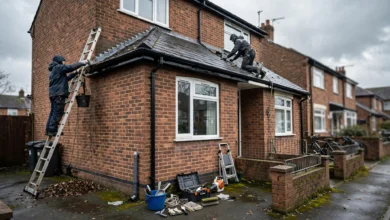
How to spot roof damage before it turns into a major repair is one of the most valuable skills a homeowner can develop, and it doesn’t require climbing onto the roof or hiring a professional every few months. Most roof failures don’t happen overnight. They start small: a curling shingle, a bit of granule buildup in the gutter, a faint water stain on a ceiling that nobody thinks twice about. By the time a leak actually shows up inside the house, the underlying damage has often been developing for months, sometimes years.
The financial gap here is significant. A minor repair, replacing a few shingles or resealing flashing, might run a few hundred dollars. Left unaddressed, that same issue can lead to rotted decking, damaged insulation, mold growth, and eventually a full roof replacement costing tens of thousands. The difference between the two outcomes almost always comes down to how early the problem was caught.
This guide covers the practical, no-ladder-required ways to check for early signs of roof damage, along with the less obvious warning signs that show up inside the house rather than on the roof itself. We’ll also cover how often to check, what counts as an emergency versus something you can monitor, and when it’s worth calling in a professional roofing inspector rather than relying on a visual check alone. Whether your roof is five years old or twenty-five, knowing what to look for is the cheapest insurance policy you’ll ever have.
Why Early Roof Damage Detection Matters
Roofs fail gradually in most cases, and that gradual process is exactly what makes early detection so valuable. Water doesn’t need a large opening to cause damage. A gap the width of a pencil, hidden under a lifted shingle or a cracked seal, is enough to let moisture into the roof deck over time. Once water reaches the wood decking beneath the roofing material, it starts a slower but more expensive chain of problems: rot, mold, weakened structural support, and eventually sagging or collapse in extreme cases.
Catching roof damage early typically means the difference between:
- A spot repair costing a few hundred dollars
- A partial re-roof of one section, costing a few thousand
- A full roof replacement, which can run anywhere from $8,000 to $25,000 or more depending on size and material
Insurance is another factor. Most homeowner policies cover sudden damage, like a tree limb crashing through a roof, but they’re far less likely to cover damage attributed to “long-term neglect” or lack of maintenance. Regular checks aren’t just about cost avoidance, they’re also about protecting your ability to file a legitimate claim if something does go wrong.
How Often You Should Check Your Roof
A reasonable schedule for most homes looks like this:

- Twice a year, in spring and fall, for a general visual check
- After any major storm, including high winds, hail, or heavy snow load
- Every 3 to 5 years, a closer professional inspection, particularly once the roof passes the 10-year mark
- Before listing a home for sale, since roof condition is one of the first things buyers and inspectors flag
Homes in regions with frequent severe weather, hurricanes, hailstorms, heavy snowfall, generally benefit from checking more often, since storm damage can be subtle initially and worsen quickly if not addressed.
8 Warning Signs of Roof Damage to Watch For
1. Missing, Cracked, or Curling Shingles
This is usually the most visible sign and the easiest to catch from the ground with a pair of binoculars. Curling shingles, where the edges lift or the middle bows, typically indicate the shingle has reached the end of its usable life or has been exposed to more heat and UV than it was designed to handle. Cracked shingles often follow hail damage or age-related brittleness. Missing shingles leave the underlayment exposed directly to the elements, which accelerates damage significantly.
2. Granule Loss in Gutters or Downspouts
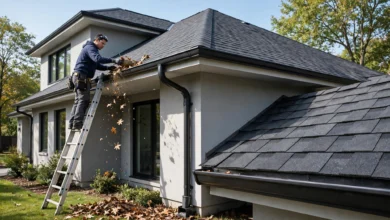
Asphalt shingles are coated with granules that protect the underlying material from UV rays. As shingles age, they naturally shed some granules, but a heavy, sudden buildup in your gutters, especially after a storm, often signals accelerated wear or hail impact. A small amount of granule loss is normal; handfuls of granules collecting in gutters is not.
3. Sagging Roof Deck
A roofline that appears to dip or sag, rather than running in a straight, even line, is one of the more serious warning signs on this list. It usually points to a structural issue, often water-damaged decking or weakened supports underneath the roofing material. This is not a DIY fix and warrants a professional inspection promptly, since sagging can progress toward more significant structural failure if ignored.
4. Damaged or Missing Flashing
Flashing is the metal material sealing joints around chimneys, vents, skylights, and roof valleys. It’s one of the most common failure points on any roof because it covers seams rather than flat, continuous surfaces. Cracked caulking, rusted flashing, or visible gaps around these features are common entry points for water, even on an otherwise healthy roof.
5. Moss, Algae, or Dark Streaking
Moss growth holds moisture against the roof surface longer than normal, which accelerates material breakdown, particularly on shaded, north-facing slopes. Dark streaking is usually algae rather than structural damage on its own, but heavy growth of either indicates a roof that’s staying wetter than it should, which is worth investigating further, especially if it’s concentrated in one area rather than spread evenly.
6. Daylight Visible Through the Roof Boards
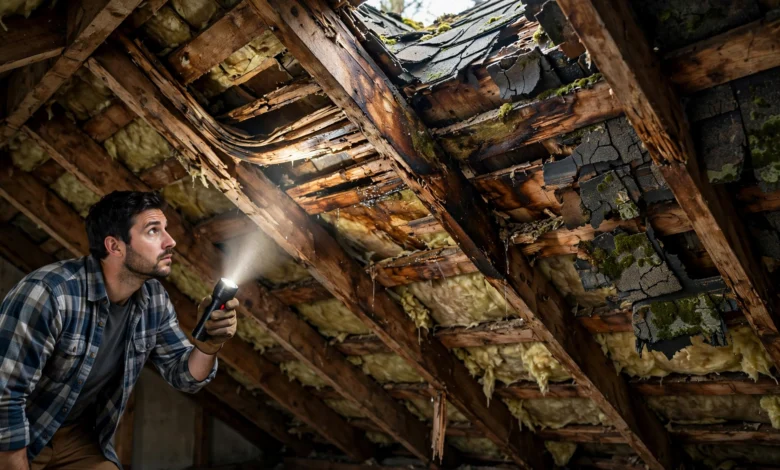
If you have attic access, this is one of the most reliable checks available. Turn off attic lights during daytime and look for any pinpricks or larger gaps of daylight coming through the roof boards. Any visible light means there’s an opening large enough for water and pests to get through as well, even if you haven’t noticed a leak yet.
7. Water Stains or Discoloration on Ceilings and Walls
By the time a stain appears on an interior ceiling, water has usually already traveled some distance from its original entry point, meaning the actual roof damage may be in a different location than the stain suggests. Brown or yellow staining, peeling paint, or a musty smell in a specific room are all signs worth investigating with a roof inspection rather than just repainting over the mark.
8. Rising Energy Bills Without an Obvious Cause
This one surprises a lot of homeowners, but a roof that’s failing to properly insulate or ventilate the attic space can cause a noticeable jump in heating and cooling costs. Damaged or compressed insulation from a slow leak, combined with poor attic ventilation, forces HVAC systems to work harder to maintain a consistent indoor temperature.
Interior Signs of Roof Damage Often Overlooked
Not all roof problems show up where you’d expect. A few interior clues worth checking regularly:
- Musty odors in upper rooms or closets, which often indicate hidden moisture rather than an obvious leak
- Peeling paint or bubbling drywall near ceiling lines, a sign moisture is trapped behind the surface
- Visible mold spots in attic spaces, particularly near roof valleys or vents
- Higher than usual humidity in upstairs rooms, which can point to ventilation problems tied to roof condition
Checking the attic itself every few months, not just during a storm scare, catches a lot of these signs before they become visible anywhere else in the house.
Storm Damage: What to Check Immediately After
Severe weather warrants an immediate, careful check, ideally from the ground rather than climbing onto a wet or damaged roof. After any significant storm, look for:
- Granules scattered across the yard or driveway, a sign of hail or wind-driven shingle damage
- Visible dents on gutters, vents, or metal flashing, which often correlates with hail impact on the roof itself
- Debris on the roof, including branches, which can indicate impact points worth a closer professional look
- Any new interior water stains appearing within days of the storm
If you suspect storm damage, documenting it with photos before any cleanup begins strengthens an insurance claim significantly. The Insurance Information Institute provides useful guidance on how to properly document and file a roof damage claim after severe weather.
DIY Inspection Versus Hiring a Professional
Homeowners can safely handle a fair amount of routine checking themselves:
- Ground-level visual inspections using binoculars
- Attic checks for daylight, staining, or musty odors
- Gutter checks for granule buildup after storms
- Monitoring interior ceilings and walls for new discoloration
Where it’s worth bringing in a professional roofing inspector:
- Any inspection requiring roof access, since walking on a damaged roof risks both personal safety and further damage to compromised areas
- Suspected structural issues, including sagging or soft spots
- Insurance claim documentation, where a professional inspection report carries more weight than a homeowner’s own photos
- Roofs over 15 years old, where age alone justifies a periodic professional look even without visible symptoms
A licensed inspector can also check things that aren’t visible from the ground or the attic, like the condition of the underlayment or the fastening pattern, which matter for both longevity and, in some regions, insurance eligibility. For general guidance on finding and vetting a qualified roofing contractor, the National Roofing Contractors Association maintains resources on contractor standards and consumer protection.
Building a Simple Roof Maintenance Habit
The homeowners who avoid expensive roof surprises tend to share a few habits in common:
- They do a quick visual check twice a year, treating it like changing smoke detector batteries, a small recurring task rather than a one-time event
- They check the attic periodically, not just when something seems wrong
- They keep a simple record of the roof’s age, last inspection date, and any repairs, which is useful both for maintenance planning and for insurance or resale purposes
- They act on small issues quickly rather than waiting to see if they get worse
None of this requires special tools or expertise. It requires consistency, and a basic understanding of what to actually look for, which is the gap this guide is meant to close.
Conclusion
Learning how to spot roof damage early, whether it’s curling shingles, granule buildup in the gutters, a faint water stain on a ceiling, or daylight coming through the attic boards, is genuinely one of the most cost-effective habits a homeowner can build, since catching a small issue early routinely turns a several-thousand-dollar replacement into a few-hundred-dollar repair. Regular ground-level and attic checks, prompt attention after storms, and knowing when a problem has moved beyond a DIY fix into professional inspection territory are enough to protect both the roof itself and the home underneath it. A roof rarely fails all at once, and that slow, gradual pattern is exactly what makes vigilance worth the small amount of time it takes.