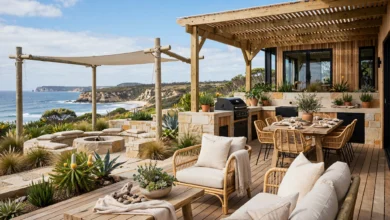
15 Outdoor Kitchen Ideas That Are Perfect for Entertaining
Outdoor kitchen ideas that turn any backyard into an entertaining hub, from grill stations to pizza ovens, seating, and smart storage.
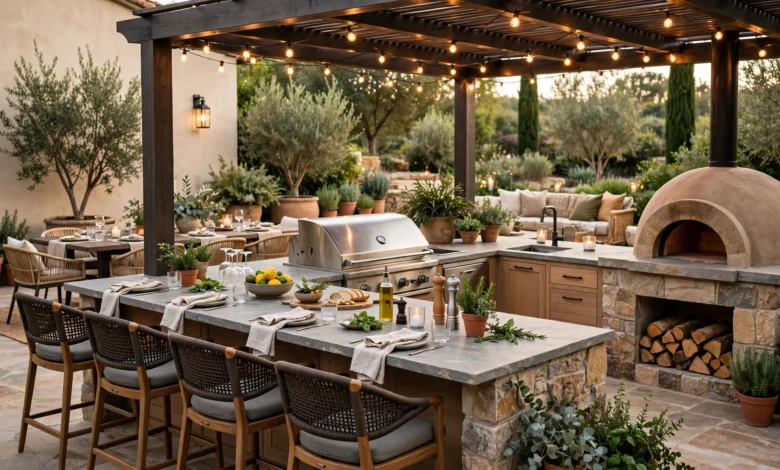
15 Outdoor Kitchen Ideas That Are Perfect for Entertaining
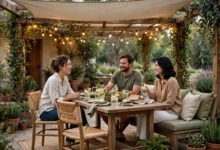
Outdoor kitchen ideas are having a real moment right now, and it’s not hard to see why. More people are choosing to host at home instead of booking a restaurant, and a backyard that can handle real cooking changes the whole vibe of a gathering. Instead of ferrying trays back and forth from an indoor kitchen while your guests sit outside without you, an outdoor kitchen keeps everyone in the same space, food and conversation included.
This isn’t just about slapping a grill on the patio anymore. Homeowners are building out full cooking zones with countertops, sinks, mini fridges, pizza ovens, and even bars, all designed around how people actually move and gather outside. Whether you have a sprawling backyard or a modest patio, there’s a version of this that fits your space and your budget.
In this article, we’ll walk through fifteen outdoor kitchen ideas that work especially well for entertaining, covering layout, appliances, materials, seating, lighting, and the small details that make guests want to linger. Some of these are big renovation projects, others are weekend upgrades, but all of them are built around one goal: making your backyard a place people actually want to hang out in, not just pass through on the way to the pool.
1. Start With an L-Shaped or U-Shaped Layout
The shape of your outdoor kitchen layout matters more than most people expect. An L-shaped or U-shaped design creates a natural cooking zone that keeps the grill master close to the prep area and the drinks station, while still leaving room for guests to gather around without getting in the way.
This layout also does a good job of separating “work space” from “hangout space.” Guests can lean on the counter and chat while you cook, without actually standing where you need to move. If your yard is narrow, a straight-line galley layout works too, but if you have the square footage, the L or U shape almost always wins for entertaining because it wraps people into the action instead of lining them up against a wall.
2. Build In a Proper Grill Island
A built-in grill island is the anchor of most outdoor kitchens, and for good reason. Instead of a freestanding grill on wheels, a grill island gives you a finished countertop on either side for prepping, plating, and setting down drinks, plus storage underneath for tools, propane, or charcoal.
Popular materials for grill islands include:
- Stucco or stone veneer for a warm, textured look
- Brick for a classic, traditional feel
- Stainless steel panels for a sleek, modern finish
- Concrete block with tile for a budget-friendly custom option
A well-built island also protects your grill from the elements better than a portable unit, which extends its lifespan considerably.
3. Add a Pizza Oven for a Built-In Showstopper
Few additions get a crowd excited like a wood-fired or gas pizza oven. It’s interactive, it smells incredible, and it gives guests something to do besides stand around watching you cook. Pizza night becomes an event in itself, with people building their own pies while others wait their turn.
Pizza ovens range from compact countertop models that run a few hundred dollars to fully custom masonry ovens built into the kitchen structure. If you’re not ready for a permanent install, a portable option is a smart way to test whether it earns its keep before committing to something built-in.
4. Install a Sink for Real Prep and Cleanup
It’s easy to overlook, but a sink is one of the most functional upgrades you can add to an outdoor kitchen. Washing produce, rinsing hands, cleaning tools, and doing a quick cleanup between courses all become far easier when you’re not running back inside every five minutes.
If plumbing to the kitchen area is a hurdle, a small on-demand water heater and a simple bar sink can often be added with less disruption than people assume. This is one of those features that seems minor on paper but changes how usable the space feels day to day.
5. Include a Mini Fridge or Beverage Center
Nothing kills entertaining momentum like leaving your guests to go inside for drinks every few minutes. A built-in mini fridge or dedicated beverage center keeps cold drinks, condiments, and snacks within arm’s reach of the action.
Some options worth considering:
- Outdoor-rated mini fridges (these are built to handle temperature swings and moisture better than indoor units)
- A drawer-style beverage cooler for wine and cans
- A small kegerator for beer lovers
- An ice maker for parties that run long
Outdoor-rated appliances cost more upfront than indoor versions, but they’re worth it. Standard indoor appliances aren’t built to handle humidity and temperature swings and tend to fail faster outside.
6. Add a Bar Counter With Seating
If entertaining is the priority, a bar counter changes everything. Raising part of your countertop to bar height and adding stools creates a natural social hub where guests can sit, chat, and watch the cooking happen, rather than hovering awkwardly nearby.
A bar counter also works well as a serving line for buffet-style meals, letting people grab plates and move to seating elsewhere. Aim for at least 24 inches of counter width per stool so guests aren’t bumping elbows.
7. Choose Weather-Resistant Countertops
Your countertop material has to survive sun, rain, temperature swings, and the occasional spilled drink, so this isn’t the place to cut corners. The most reliable options for outdoor use include:
- Granite, which handles heat and weather extremely well and needs minimal upkeep
- Concrete, which can be customized in color and shape but needs periodic sealing
- Tile, which is budget-friendly but requires grout maintenance
- Stainless steel, which is heat-resistant and easy to wipe down, though it can show scratches over time
Avoid materials like laminate or untreated wood, which degrade quickly outdoors regardless of climate.
8. Layer In Task and Ambient Lighting
Good lighting is the difference between an outdoor kitchen that shuts down at sunset and one that keeps the party going well into the evening. You’ll want two distinct layers:
- Task lighting over the grill, prep counter, and sink so you can actually see what you’re cooking
- Ambient lighting, like string lights, sconces, or pendant fixtures, to set the mood for the rest of the space
Under-cabinet LED strips are a popular way to add task lighting without visual clutter, while dimmable string lights above the seating area let you shift from a bright cooking session to a relaxed dinner atmosphere later in the night.
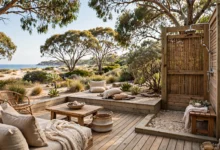
9. Add a Pergola or Shade Structure
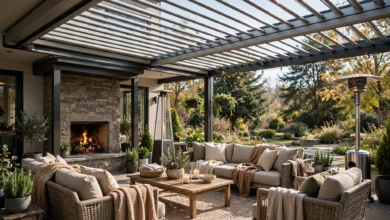
Cooking outside in direct sun for hours isn’t fun for anyone, host or guest. A pergola, awning, or shade sail over the kitchen area keeps the space usable through the hottest part of the day and gives the whole setup a more finished, intentional look.
Pergolas also give you a place to hang string lights, mount a ceiling fan, or attach retractable shades for extra flexibility. If you live somewhere with strong sun exposure, this is one of the higher-impact additions on this list, both for comfort and for how “designed” the space ends up feeling.
10. Build a Fire Feature Nearby
A fire pit or outdoor fireplace positioned near, but not directly in, the cooking zone gives guests a reason to stick around after the food is gone. It naturally draws people into a circle, encourages conversation, and keeps things going once the sun goes down and the temperature drops.
Gas fire pits are low-maintenance and turn on instantly, which matters when you’re mid-party and don’t want to deal with kindling. Wood-burning options feel more traditional and give off more heat, but they take more attention. Either way, keep fire features a safe distance from the cooking island and any overhead structures.
11. Create Distinct Zones for Cooking, Dining, and Lounging
One mistake people make with outdoor kitchens is cramming everything into a single area. The best setups for entertaining separate the space into zones: a cooking zone around the grill and counters, a dining zone with a table for meals, and a lounge zone with softer seating for after-dinner conversation.
This zoning does two things. It keeps foot traffic from bottlenecking around the cook, and it gives guests options depending on what they want to do, eat, chat, or just relax. Even a small backyard can pull this off by using furniture placement and rugs to visually separate the areas without adding walls.
12. Add a Smoker or Second Cooking Appliance
If you entertain often, a single grill can become a bottleneck, especially when you’re cooking for a crowd. Adding a second appliance, like a smoker, griddle, or side burner, lets you cook multiple things at once and opens up your menu beyond burgers and steaks.
A flat-top griddle is especially popular for entertaining because it can handle breakfast spreads, smash burgers, stir-fries, and more, all while giving you more usable cooking surface than a standard grill grate.
13. Incorporate Durable, Low-Maintenance Flooring
The ground beneath your outdoor kitchen takes a beating from foot traffic, spills, grease, and weather, so it deserves some thought. Pavers, stamped concrete, and natural stone are all solid choices because they’re durable, easy to clean, and won’t warp or rot the way wood decking can near a cooking area.
Non-slip textured surfaces are worth prioritizing near the cooking zone specifically, since that’s where spills are most likely to happen and where you really don’t want anyone slipping while carrying hot food.
14. Add Storage for Tools, Dishware, and Supplies
Running inside constantly for plates, napkins, or grill tools breaks up the flow of entertaining and pulls the host away from guests. Built-in cabinets, drawers, and shelving in the kitchen island keep everything you need within reach, from serving platters to extra propane tanks.
Weatherproof cabinetry, usually stainless steel or marine-grade polymer, holds up far better outdoors than standard wood cabinets, which can swell, crack, or mold when exposed to moisture over time.
15. Design for Safety as Much as Style
It’s easy to get caught up in appliances and finishes and forget the safety side of things, but this matters, especially with an open flame and gas lines involved. A few basics worth building in from the start:
- Keep at least 24 inches of non-combustible material around any grill or fire feature
- Make sure gas lines are installed and inspected by a licensed professional
- Position the kitchen with enough clearance from the house and any overhangs
- Include a fire extinguisher rated for grease fires within reach of the cooking zone
The National Fire Protection Association publishes detailed outdoor cooking safety guidelines that are worth reviewing before finalizing your layout, particularly around clearance distances and propane storage.
Budgeting and Return on Investment
Outdoor kitchens range enormously in cost, from a few thousand dollars for a simple grill island to well over $50,000 for a fully custom setup with premium appliances and finishes. Before committing to a design, it helps to have a rough sense of where your money goes furthest.
A few things to weigh:
- Appliances typically eat up the largest share of the budget, especially outdoor-rated fridges and pizza ovens
- Countertops and structure come next, with natural stone costing more than concrete or tile
- Lighting, shade, and seating are comparatively affordable but have a big impact on how often the space actually gets used
Remodeling industry data consistently shows that outdoor living improvements, including kitchens, recoup a solid share of their cost at resale and rank among the more desirable upgrades for buyers, according to the Remodeling Impact Report from the National Association of Realtors. That’s a helpful data point if you’re weighing this as an investment and not just a lifestyle upgrade.
Final Tips Before You Start Building
Before breaking ground on any of these outdoor kitchen ideas, take some time to think through how you actually entertain. Do you host large groups often, or is it mostly a handful of close friends? Do you cook elaborate meals, or is this mainly about burgers and drinks on a Friday night? The answers should shape which of these fifteen ideas you prioritize, because building for how you actually live matters more than chasing every trend at once.
It’s also worth walking your space at different times of day before finalizing a layout. Note where the shade falls in the afternoon, where smoke tends to drift, and where guests naturally gather when you’re already out there. Small observations like these often lead to smarter placement decisions than any design magazine can.
Conclusion
A well-planned outdoor kitchen does more than add resale value or a nice photo for your feed, it genuinely changes how you host. From a solid grill island and weather-resistant countertops to zoned seating, layered lighting, and a fire feature that keeps guests around after the meal, these fifteen outdoor kitchen ideas cover the full range of what makes a backyard actually work for entertaining. You don’t need every feature on this list to see a difference. Start with the pieces that match how you already gather, whether that’s a bar counter for casual weeknight hangouts or a full cooking suite for big weekend parties, and build outward from there. The goal isn’t a showroom, it’s a space your guests don’t want to leave.