Outdoor Living Tips for Homes in London and Bristol
outdoor living tips, outdoor living London, outdoor living Bristol, small garden design UK, weatherproof garden furniture, garden room ideas, UK planning permission garden, London terrace garden, Bristol garden design, garden lighting ideas
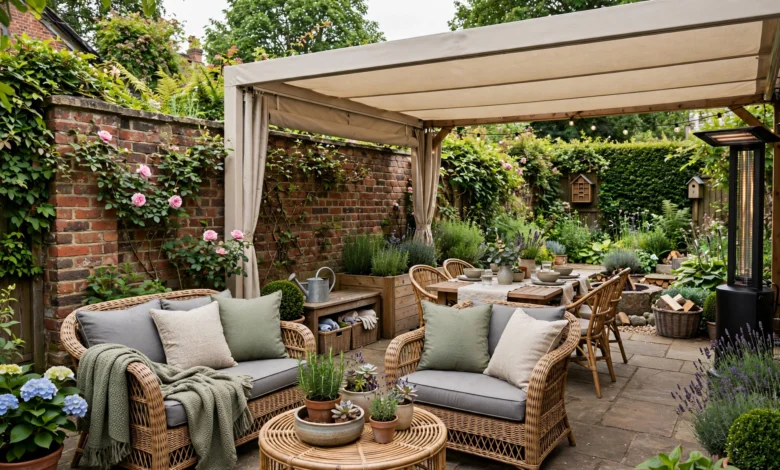
Outdoor Living Tips for Homes in London and Bristol: 9 Essential Ideas That Work in Any Weather
Introduction
Outdoor living tips for homes in London and Bristol need to solve a problem most generic garden advice doesn’t address: limited space and unpredictable weather. Both cities are full of Victorian and Georgian terraces with narrow gardens, small courtyards, or nothing more than a paved backyard, and both sit firmly within the UK’s changeable climate, where a sunny afternoon can turn into steady rain within the hour. Advice built around a large suburban American backyard or a dry Mediterranean climate simply doesn’t translate.
This article works through what actually holds up for London and Bristol properties specifically: how to make the most of a small or oddly shaped garden, which materials and structures cope with regular rain and damp without falling apart within a few years, and where planning permission and permitted development rules come into play, since both cities have conservation areas and listed building restrictions that catch a lot of homeowners off guard.
We’ll also cover practical planting advice suited to the UK’s growing conditions, how to extend the usable season with heating and covered structures, and small design choices that make a modest garden or terrace feel considerably bigger than it is. None of this requires a large budget or a huge plot. Most of what makes outdoor space work well in London and Bristol comes down to smart planning around the constraints these cities actually present, rather than fighting against them.
1. Work With Your Space, Not Against It
Many London and Bristol gardens are small, narrow, or an awkward shape, shaped by rows of terraced housing rather than open plots. Good outdoor living design in these cities starts by accepting that constraint and designing around it rather than trying to force in features better suited to a larger property.
Practical approaches for small or narrow gardens:
- Use diagonal paving patterns to make a narrow space feel wider than it actually is.
- Break the garden into distinct zones, a small dining area near the house, a seating nook further back, rather than one open, undefined space.
- Choose multi-functional furniture, such as storage benches or foldable tables, which suit spaces where every square foot matters.
- Add mirrors on boundary walls in courtyard gardens, a trick that genuinely makes a small space feel larger by reflecting light and greenery.
2. Choose Weather-Resistant Materials
The UK’s frequent rain and damp conditions mean material choice matters more here than in drier climates. Materials that look fine in a showroom can warp, discolor, or become slippery within a single wet British winter if they’re not properly suited to the conditions.
Decking and Flooring
- Composite decking resists the swelling, splitting, and mould growth that timber decking is prone to in consistently damp conditions.
- Porcelain paving has become popular across London and Bristol gardens because it’s non-porous, doesn’t stain easily, and resists the algae growth that natural stone can develop in shaded, damp corners.
- Natural stone, such as sandstone or limestone, still works well but needs regular sealing to prevent moss and algae buildup, particularly in shaded courtyard gardens common in terraced housing.
Furniture and Fixtures
- Powder-coated aluminum or stainless steel frames avoid the rust that untreated metal develops quickly in the UK’s damp air.
- Rattan-style resin furniture handles rain better than natural wicker and needs far less maintenance over a British winter.
- Weatherproof storage for cushions and smaller furniture is worth the investment, since leaving fabric exposed to constant damp leads to mildew fairly quickly.
3. Add Covered Areas to Extend Usable Time
Given how often rain interrupts outdoor plans in both cities, a covered area does more for outdoor living than almost any other single addition. It’s the difference between a garden that gets used for a handful of sunny weekends a year and one that’s usable regularly across most seasons.
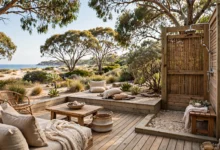

Options worth considering:
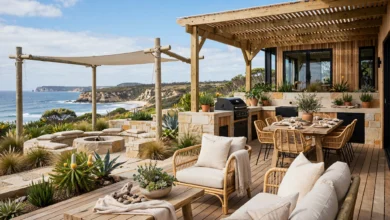
- Pergolas with a solid or retractable roof, giving flexibility between open sky on dry days and shelter when rain sets in.
- Garden rooms or garden offices, which have grown significantly in popularity across London and Bristol, particularly for homeowners wanting a functional, weatherproof space that also adds usable square footage without a full house extension.
- Canopies or awnings attached to the rear of the house, a lower-cost option that still provides meaningful shelter for a dining or seating area.
4. Understand Planning Permission and Permitted Development Rules
This is where a lot of London and Bristol homeowners run into trouble, since both cities have a high concentration of conservation areas and listed buildings, and the rules around what you can build without formal planning permission vary depending on your specific property.
What Typically Falls Under Permitted Development
Many garden structures, sheds, some pergolas, and smaller garden rooms, fall under permitted development rights, meaning formal planning permission isn’t required provided they meet size, height, and placement criteria. However, these rights can be restricted or removed entirely in conservation areas, for listed buildings, or where a previous planning condition applies.
Where to Check
Before starting any significant garden structure, checking with your local council or reviewing guidance through the UK Government’s Planning Portal is worth the time, since retrofitting or removing a non-compliant structure after the fact is far more expensive and disruptive than confirming the rules beforehand. London boroughs and Bristol City Council both publish specific local guidance, and conservation area restrictions in particular tend to be stricter than the general permitted development rules.
A few structures that commonly require a closer look:
- Garden rooms or outbuildings near a boundary or exceeding certain height limits.
- Any structure attached to the main house rather than freestanding.
- Changes to a front garden that affect drainage or on-street parking, an increasingly regulated area in both cities.
- Work on any property in a conservation area or with listed status, where even minor changes can require approval.
5. Choose Plants Suited to UK Growing Conditions
Planting advice for London and Bristol needs to account for the UK’s temperate climate: cooler summers than much of Europe, regular rainfall, and a genuine winter that many warmer-climate plants won’t survive without protection.
Reliable Choices for Small Gardens
- Hardy perennials such as hydrangeas, geraniums, and lavender, which cope well with the UK’s variable summer weather and come back reliably year after year.
- Evergreen shrubs like box or holly for structure that holds up through winter when deciduous planting looks bare.
- Climbing plants, including clematis and climbing roses, which work particularly well in narrow London and Bristol gardens where vertical growing space matters more than ground area.
The Royal Horticultural Society publishes detailed, climate-specific planting guidance that’s worth consulting for anything beyond the basics, particularly for shaded courtyard gardens common in terraced housing, where plant choice is more limited than in an open, sunny plot.
Managing Shade
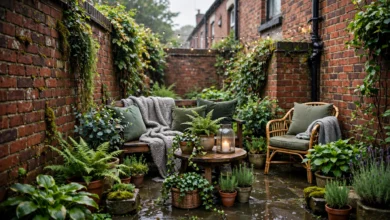
A large number of gardens in both cities, particularly narrow rear gardens behind terraced housing, deal with significant shade from neighbouring buildings for much of the day. Shade-tolerant species like ferns, hostas, and hellebores are worth prioritising in these conditions rather than fighting to grow sun-loving plants that will consistently underperform.
6. Add Heating to Extend the Outdoor Season
Given the UK’s cooler evenings even in summer, a heat source genuinely extends how much use a garden or terrace gets across the year, rather than being a luxury addition.
Common options:
- Gas or electric patio heaters, a straightforward retrofit for existing patios and terraces.
- Fire pits, which double as a heat source and a natural gathering point for evening use.
- Chimineas, a lower-cost option that suits smaller courtyard gardens where a full fire pit isn’t practical.
As with garden structures, check any local restrictions around open flames or gas connections before installation, particularly in denser urban areas or shared courtyard spaces common in London flats and converted terraces.
7. Layer Lighting for Evening Use
Good lighting matters even more in the UK given how early it gets dark for large parts of the year. A well-lit garden or terrace gets used through autumn and winter evenings, not just long summer days.
A practical layered approach:
- Warm-toned string lights or festoon lighting for general ambient warmth across a seating or dining area.
- Low-level path and step lighting for safety, particularly important in narrow or uneven London and Bristol gardens.
- Spotlighting on a feature plant, wall, or architectural detail to add depth after dark.
Solar lighting has improved considerably and works reasonably well for path lighting, though it’s worth noting the UK’s lower light levels through autumn and winter mean solar options may need supplementing with mains or battery-powered lighting during darker months.
8. Make the Most of Balconies and Roof Terraces
Given how much of London in particular is flats and apartments rather than houses with gardens, balcony and roof terrace design deserves its own mention within outdoor living tips for the city.
- Use lightweight furniture designed for balconies, since weight limits are a genuine structural consideration in many buildings.
- Choose wind-tolerant planting, since balconies and roof terraces are often more exposed than ground-level gardens.
- Install planters with built-in reservoirs to reduce watering frequency, particularly useful for higher, harder-to-access balconies.
- Check building regulations and any lease restrictions before installing permanent structures, since many London leasehold properties have specific rules around balcony use and alterations.
9. Add Personal and Functional Touches
Once the practical elements, materials, cover, planting, are sorted, small personal touches make a real difference in how much an outdoor space actually gets used.
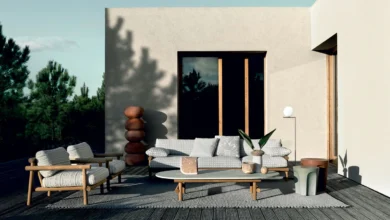
- Outdoor rugs and cushions in weather-resistant fabric to soften hard paving and add colour.
- A small side table within reach of seating, so drinks and books don’t end up balanced awkwardly.
- Weatherproof storage for cushions, blankets, and games, keeping the space tidy and ready to use at short notice.
- Simple background music through a portable weatherproof speaker for evening use.
These details are what separate a functional outdoor space from one people actually choose to spend time in regularly.
Conclusion
Outdoor living tips for homes in London and Bristol ultimately come down to designing around two consistent realities: limited space and unpredictable weather. That means clever zoning and multi-functional furniture for small or narrow gardens, weather-resistant materials that hold up to regular rain and damp, covered structures that extend usable time across the year, and planting chosen for UK growing conditions and shade rather than a warmer climate’s plant palette. Add proper attention to planning permission rules, layered lighting for darker evenings, and a genuine heat source, and even a modest terraced garden or a small balcony can become a space that’s used year-round rather than just on the handful of dry, sunny days either city manages to offer.