Gardening Tips for Homes in New South Wales
Practical gardening tips for New South Wales homeowners covering native plants, soil types, seasonal timing, and water-wise care
12 Essential Gardening Tips for a Beautiful New South Wales Home
Introduction
Gardening tips for homes in New South Wales need to account for one of the most varied climates in Australia. A garden in coastal Sydney deals with humidity, salt air, and sandy soil, while a property out past Dubbo faces baking summers, hard clay, and far less rainfall. Head up to the Southern Highlands or the Tablelands and you’re suddenly dealing with proper winter frosts. Treating NSW as one climate zone is where a lot of gardening plans fall apart before they even get started.
If you’ve moved into a new home, taken over a neglected yard, or just want your garden to stop fighting you every summer, the answer usually comes down to matching your approach to your actual region rather than following generic advice written for a completely different climate. What works beautifully in Melbourne or Brisbane doesn’t always translate to Newcastle, Wagga Wagga, or the Blue Mountains.
This guide breaks down twelve practical tips for gardening across New South Wales, covering plant selection, soil improvement, watering strategy, and seasonal timing suited to the state’s different regions. Whether you’re working with a small suburban courtyard, a coastal block, or a larger rural property, you’ll find guidance here that’s grounded in how NSW conditions actually behave, not a one-size-fits-all checklist. By the end, you should have a clearer sense of what your garden actually needs and when.
Understand Your Region Before You Plant
New South Wales spans coastal, temperate, subtropical, and semi-arid zones, and the right gardening approach changes significantly depending on where your home sits.
Coastal Areas Bring Humidity and Salt
Homes along the coast, from the Illawarra up through Sydney and into the Northern Rivers, deal with salty winds, humid summers, and sandy soil that drains quickly but holds onto very few nutrients. Plants here need to tolerate salt exposure and won’t always thrive if they’re bred for drier, inland conditions.
Inland and Western Regions Face Heat and Dry Soil
Further west, towns like Dubbo, Orange, and Wagga Wagga see hotter, drier summers and heavier clay soils. Water conservation becomes far more important here, and plant choices need to lean toward genuinely drought-hardy species rather than ones that merely tolerate the occasional dry spell.
Tablelands and Highlands Get Real Winters
Areas like the Southern Highlands, the Blue Mountains, and the New England Tablelands experience proper frosts and even occasional snow. Gardening tips that work for coastal Sydney can fail outright here if frost-sensitive plants are used without protection.

Choose Plants Suited to New South Wales Conditions
Plant selection is the foundation of good gardening in New South Wales, and getting it right early saves years of replanting.
Prioritise Australian Native Plants
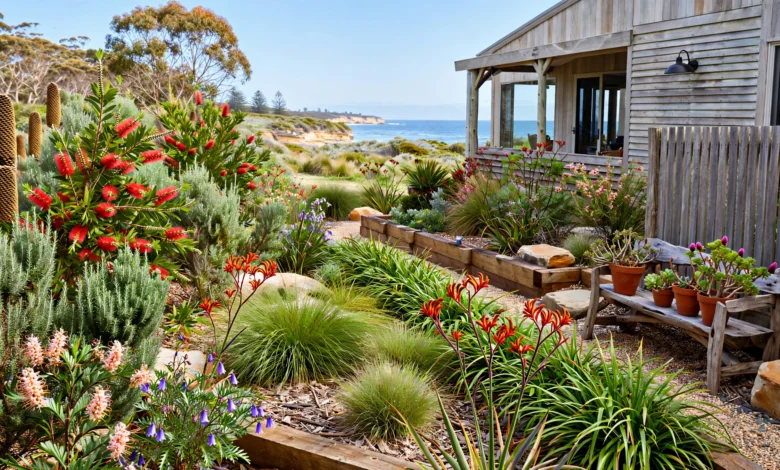
Native plants such as grevillea, bottlebrush (callistemon), banksia, and wattle are naturally adapted to Australian rainfall patterns and soil, meaning they generally need less water and fertiliser once established. They also support local birds and pollinators far better than many imported ornamental species. The Australian Native Plants Society maintains detailed regional plant guides that are genuinely useful for narrowing down species suited to your specific area, available at anpsa.org.au.
Match Plants to Your Specific Microclimate
A plant that thrives in Sydney’s humid coastal air might rot in the drier inland heat, and vice versa. Always check a plant’s suitability against your specific region rather than assuming state-wide advice applies evenly, since NSW genuinely spans several distinct growing zones.
Consider Drought-Tolerant Options for Inland Gardens
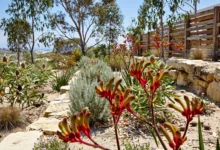
For properties further from the coast, drought-tolerant species like kangaroo paw, lomandra, and various succulents hold up well against long dry spells and reduce how often you need to water during peak summer heat.
Improve Your Soil for Long-Term Success
Soil across NSW varies enormously, and improving it properly makes almost everything else in the garden easier.
Test and Understand Your Soil Type
Coastal sandy soils drain fast but lose nutrients quickly, while inland clay soils hold water but can become compacted and poorly aerated. A basic soil test, either a home kit or through a local nursery, tells you what you’re actually working with before you start amending it blindly.
Add Organic Matter Regularly
Compost, aged manure, and organic mulch improve both sandy and clay soils over time, helping sandy soil retain moisture and helping clay soil drain more effectively. This is one of the simplest, most cost-effective gardening tips for homes in New South Wales, and it pays off season after season.
Avoid Common Soil Mistakes
Adding sand directly to clay soil is a frequent mistake that can make the problem worse, creating a dense, cement-like texture rather than improving drainage. Stick with organic matter and gypsum for clay soils instead, both of which genuinely help break up compaction over time.
Water Wisely Across Different Seasons
Water management matters everywhere in NSW, but especially in regions prone to drought and water restrictions.
Water Deeply and Less Often
Frequent shallow watering encourages roots to stay near the surface, making plants more vulnerable during hot, dry stretches. Watering deeply once or twice a week, adjusted for rainfall, encourages stronger root systems that can handle heat better.
Install Efficient Irrigation
Drip irrigation systems deliver water directly to plant roots and reduce the evaporation loss common with overhead sprinklers, particularly during windy or hot conditions. Many NSW councils also offer rebates on water-efficient irrigation equipment, so it’s worth checking local programs before purchasing.
Mulch to Retain Moisture
A layer of mulch two to three inches deep helps retain soil moisture, moderate temperature, and suppress weeds. This is especially valuable during NSW’s hotter months, when evaporation can strip moisture from bare soil within a day or two of watering.
Check Local Water Restrictions
Many parts of NSW periodically face water restrictions, particularly during drought years. Checking with your local water authority, such as Sydney Water for metropolitan areas, helps you plan a garden that stays compliant and genuinely water-efficient rather than running into restrictions mid-season.
Time Your Planting to NSW’s Seasons
Because NSW sits in the Southern Hemisphere, planting calendars run opposite to what many international gardening guides assume, and getting this timing right matters.
Plant Warm-Season Crops in Spring
Tomatoes, capsicums, cucumbers, and similar warm-season vegetables generally go in from September through November, once the risk of frost has passed in most regions. Coastal areas can often plant slightly earlier than inland or highland regions.
Use Autumn and Winter for Cool-Season Growing
Leafy greens, brassicas like broccoli and cabbage, and root vegetables such as carrots do well planted from March through May across most of the state, taking advantage of milder temperatures before winter fully sets in.
Adjust for Regional Frost Timing
Tablelands and highland gardens need to plan around a longer frost season than coastal areas. Waiting until after the last expected frost, which can extend into October in colder regions, prevents losing tender seedlings to a late cold snap.
Manage Pests and Common Garden Problems
NSW’s varied climate brings a range of pest pressures, and a thoughtful approach beats reaching for chemical treatments first.
Encourage Beneficial Insects
Ladybirds, lacewings, and native bees help keep aphids and other common pests in check naturally. Planting flowering natives alongside vegetable beds attracts these beneficial insects and reduces reliance on pesticide use.
Watch for Region-Specific Pests
Coastal gardens often deal with fungal issues driven by humidity, while inland gardens are more prone to spider mites and other pests that thrive in hot, dry conditions. Identifying the specific pressure in your region helps you treat problems accurately rather than guessing.
Practise Good Garden Hygiene
Removing dead leaves, spent plants, and fallen fruit regularly reduces habitat for pests and disease. This is a simple, low-cost habit that meaningfully cuts down on recurring problems across most NSW gardens.
Prepare for Bushfire Season
Bushfire risk is a genuine consideration for many NSW properties, particularly those near bushland or in rural areas.
- Keep dry vegetation cleared, especially within several metres of structures.
- Choose fire-resistant plants with high moisture content and low oil content, avoiding highly flammable species close to the home.
- Space out plantings rather than creating dense, continuous vegetation that can carry fire quickly.
- Maintain a clear gap between trees, shrubs, and any structures on the property.
- Check local council guidelines, since bushfire-prone areas often have specific landscaping requirements homeowners need to follow.
Ongoing Maintenance Tips for NSW Gardens
A few consistent habits keep a New South Wales garden looking good through every season.
- Prune during dormancy, generally late winter, for most deciduous trees and shrubs.
- Fertilise lightly and seasonally, since native and drought-tolerant plants typically need far less feeding than traditional ornamentals.
- Check irrigation systems each season for clogs, leaks, or damaged drip lines.
- Rotate vegetable crops to reduce soil-borne disease buildup in kitchen gardens.
- Monitor for heat stress during NSW’s hottest months, watering more frequently during extended heatwaves regardless of your usual schedule.
Conclusion
Gardening successfully across New South Wales comes down to recognising just how much the state’s conditions shift from the coast to the inland plains to the highlands, and adjusting your approach accordingly. Choosing plants suited to your specific region, improving your soil with organic matter, watering deeply and efficiently, and timing your planting to the local season will carry a NSW garden through both humid coastal summers and dry inland heat. Add thoughtful pest management and sensible bushfire preparation, and you’ve got a garden built to handle what the state actually throws at it. Start with the tips most relevant to your region, build good habits from there, and you’ll find a NSW garden can thrive in almost any setting with the right care behind it.
Keywords: