18 Gardening Ideas That Attract Birds and Pollinators
Discover wonderful gardening ideas that attract birds and pollinators, from native plants to water sources and safe pest control.
18 Wonderful Gardening Ideas That Attract Birds and Pollinators
Introduction
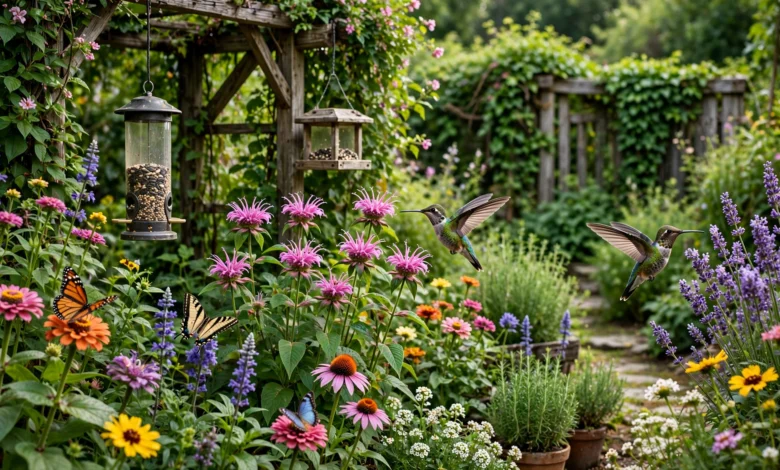
Gardening ideas that attract birds and pollinators have become genuinely important as habitat loss continues to shrink the spaces bees, butterflies, and songbirds depend on. Every yard, no matter the size, has the potential to become a small refuge for wildlife that’s struggling to find food, water, and shelter elsewhere. You don’t need acres of land or advanced landscaping knowledge to make a real difference. A handful of thoughtful changes can turn an ordinary garden into a genuinely active habitat.
The appeal here isn’t just ecological either. A garden buzzing with bees, fluttering with butterflies, and visited regularly by songbirds is simply more enjoyable to spend time in. There’s something quietly rewarding about watching a hummingbird return to the same flower every afternoon or noticing a new bird species show up after you’ve added a water source. This kind of gardening rewards patience and attention in a way that few other hobbies do.
This guide covers eighteen practical ideas for building a garden that draws in birds and pollinators, from native plant selection and layered habitat design to water sources, safe pest management, and a few often-overlooked details like leaving seed heads standing through winter. Whether you’re working with a small urban balcony or a full backyard, these ideas scale to fit the space you actually have. By the end, you’ll have a solid list of changes worth making, starting with whichever ones fit your yard and climate best.
Start With Native Plants
Native plants are the foundation of any garden genuinely designed to attract birds and pollinators, and they matter more than almost any other single factor.
Why Native Plants Matter So Much
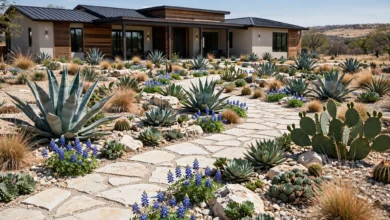
Native plants co-evolved with local birds, bees, and butterflies over thousands of years, meaning they provide the specific nectar, pollen, seeds, and foliage these species actually need to survive. Non-native ornamentals often look attractive but provide little to no real ecological value, even when they still produce flowers.
Research Species Native to Your Region
Since native species vary dramatically by location, checking a regional native plant database before purchasing ensures you’re choosing plants genuinely suited to local wildlife. The National Audubon Society maintains a native plants database searchable by zip code, helping identify species that support birds specifically in your area, available at audubon.org.
Include a Mix of Bloom Times
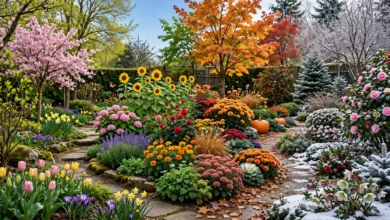
Planting natives with staggered bloom times, early spring through late fall, ensures a consistent food source for pollinators throughout the entire growing season rather than a single burst of activity followed by weeks of nothing.
Choose Flowers That Draw In Pollinators
Beyond going native, certain flower types are particularly effective at attracting bees, butterflies, and other pollinating insects.
Plant Tubular Flowers for Hummingbirds
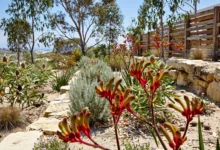
Hummingbirds are drawn specifically to tubular, brightly colored flowers, particularly in shades of red and orange. Species like trumpet vine, bee balm, and salvia are reliable choices for consistently attracting hummingbirds throughout the season.
Include Bee-Friendly Blooms
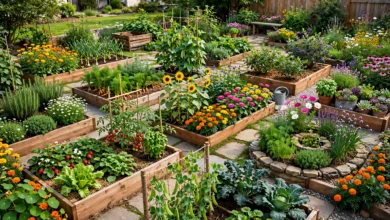
Lavender, coneflower, and various salvia varieties are especially effective at attracting bees, offering accessible pollen and nectar that bees can reach easily. Planting these in clusters rather than scattered single plants makes them easier for bees to locate and forage efficiently.
Add Host Plants for Butterflies
Butterflies need more than nectar flowers. They need specific host plants to lay eggs on, since caterpillars typically only eat particular plant species. Milkweed, for instance, is the sole host plant for monarch butterflies, making it one of the most impactful gardening ideas that attract birds and pollinators you can implement for a single struggling species.
Design Layered Habitat for Different Species
A garden with varied vertical structure supports a wider range of birds and pollinators than a flat, single-layer planting bed.
Include Canopy Trees Where Space Allows
Larger trees provide nesting sites, shelter, and food sources for many bird species. Even a single well-placed tree can significantly increase the number of bird species visiting a yard, particularly if it produces berries, seeds, or nuts.
Add a Mid-Level Shrub Layer
Shrubs provide nesting cover and food for many smaller bird species that avoid open, exposed areas. Native shrubs like elderberry, viburnum, and serviceberry offer both structural cover and food value.
Don’t Skip Groundcover and Low Plantings
Low-growing plants and groundcover support ground-feeding birds and provide habitat for ground-nesting native bees, which make up a significant portion of pollinator species but often get overlooked in garden planning focused mainly on flowers.
Provide Reliable Water Sources
Water is just as important as food for attracting birds and pollinators, and it’s one of the most overlooked elements in wildlife gardening.
Install a Bird Bath
A shallow bird bath, ideally with a gently sloped edge, gives birds a place to drink and bathe. Keeping the water shallow, generally one to two inches deep, and changing it every few days prevents mosquito breeding and keeps the water appealing to birds.
Add a Small Water Feature for Pollinators
Bees and butterflies also need water, though they require much shallower access than birds. A shallow dish filled with pebbles and water, allowing insects to land safely without drowning, gives pollinators a reliable water source separate from a deeper bird bath.
Keep Water Sources Clean and Consistent
Stagnant or dirty water can deter wildlife and create health risks. Regularly refreshing water sources, particularly during hot summer months, keeps birds and pollinators returning consistently rather than seeking water elsewhere.
Offer Supplemental Food Sources
While plants provide the most natural food source, supplemental feeding can further increase bird activity in a garden.
Set Up Bird Feeders Strategically
Positioning feeders near cover, like shrubs or trees, gives birds a quick escape route from predators while feeding, making them more likely to visit regularly. Different feeder types and seed mixes attract different species, so variety helps draw in a broader range of birds.
Leave Seed Heads Standing Through Winter
Rather than cutting back spent flowers in autumn, leaving seed heads on plants like coneflower and black-eyed Susan provides a natural food source for birds through the colder months when other food is scarce.
Avoid Over-Reliance on Feeders Alone
Feeders should supplement, not replace, natural food sources like native plants. A garden relying entirely on feeders offers far less overall ecological value than one built around a genuinely diverse native plant palette.
Create Nesting and Shelter Opportunities
Attracting birds and pollinators isn’t just about food. Providing places to nest and shelter matters just as much.
Install Birdhouses Suited to Local Species
Different bird species require different nest box dimensions and entrance hole sizes. Researching which species are common in your area helps you choose or build birdhouses that will actually get used rather than sitting empty.
Add Native Bee Houses
Many native bee species are solitary and nest in small holes or hollow stems rather than hives. Simple bee houses, blocks of wood with drilled holes or bundles of hollow reeds, provide nesting habitat for these often-overlooked pollinators.
Leave Some Areas Slightly Wild
A small brush pile, a section of unmowed grass, or a few dead branches left standing can provide valuable shelter for birds, beneficial insects, and overwintering pollinators. Not every corner of the garden needs to look perfectly manicured.
Avoid Harmful Pesticides
Chemical pesticides, even when targeted at specific pests, often harm the very birds and pollinators a wildlife garden is trying to attract.
Skip Neonicotinoid Pesticides
Neonicotinoid pesticides are particularly harmful to bees and other pollinators, even at low doses, and their effects can persist in plant tissue for extended periods. Avoiding these products entirely is one of the most important gardening ideas that attract birds and pollinators and keep them coming back safely. The Xerces Society for Invertebrate Conservation provides detailed, research-based guidance on pollinator-safe pest management, available at xerces.org.
Use Targeted, Low-Impact Pest Control
When pest control is genuinely necessary, options like handpicking, insecticidal soap, or targeted physical barriers cause far less collateral damage to beneficial insects than broad-spectrum chemical sprays.
Let Natural Predators Help
A garden with a healthy population of birds and beneficial insects often needs less manual pest control anyway, since these species naturally prey on many common garden pests, creating a more balanced system over time.
Maintain Your Wildlife Garden Thoughtfully
A few ongoing habits help sustain a garden’s value to birds and pollinators over the long term.
- Delay fall cleanup until spring where possible, leaving stems and leaf litter as winter shelter for overwintering insects.
- Water consistently during dry spells to keep native plants healthy and productive.
- Refresh water sources regularly to prevent stagnation and keep wildlife visiting.
- Monitor and remove invasive plants, which can crowd out the native species wildlife actually depends on.
- Add plants gradually rather than overhauling an entire yard at once, allowing you to observe what attracts the most activity in your specific space.
Conclusion
Building a garden that genuinely draws in birds and pollinators comes down to thinking beyond just pretty flowers and considering the full picture: native plants, layered habitat, reliable water, safe nesting opportunities, and a commitment to skipping harmful pesticides. These eighteen gardening ideas that attract birds and pollinators work at almost any scale, whether you’re transforming a full backyard or adding a few native plants and a water dish to a small balcony. The results tend to build over time, with more species showing up as your garden matures and word, so to speak, gets around. Start with a few changes that fit your space and climate, stay patient, and you’ll likely find your garden becomes considerably more alive than it was before.