Gardening Ideas for Homes in Manchester
Gardening ideas for Manchester homes, covering plant choices, small spaces, soil fixes, and seasonal care suited to the city's wet, mild climate.
Gardening Ideas for Manchester Homes: 15 Brilliant Tips for a Thriving Garden in 2026
If you’ve ever tried to keep a garden alive through a Manchester winter, you already know this city doesn’t make it easy. The rain shows up uninvited, the clay soil holds water like a sponge, and a sunny weekend can turn into three days of drizzle without warning. But that doesn’t mean your garden has to look sad and neglected. With the right gardening ideas for Manchester homes, you can turn even a small, damp back yard into something you actually want to sit in.
This guide walks through practical, tested ideas for gardeners across Greater Manchester, whether you’ve got a sprawling suburban plot in Didsbury or a tiny paved yard behind a terraced house in Ancoats. We’ll cover plant choices that actually survive the local weather, ways to work with (not against) the clay soil most of us are stuck with, and layout ideas for small and front gardens. There’s also a section on vegetable growing, water management, and the seasonal jobs that keep a Manchester garden looking good year-round.
None of this requires a huge budget or a professional landscaper. Most of it just requires knowing what works here, because what works in a gardening magazine shot in Surrey doesn’t always translate to a city that gets over 800mm of rain a year. Let’s get into it.
Why Manchester’s Climate Shapes Your Garden Choices
Before picking a single plant, it helps to understand what you’re actually working with. Manchester sits in a temperate maritime zone, which sounds pleasant enough, but in practice means mild winters, cool summers, and rain spread fairly evenly across the year rather than concentrated in a few storms. According to the Met Office, Greater Manchester typically sees rainfall on well over 140 days a year, and summer temperatures rarely climb much past the low twenties.
This matters for gardening ideas in Manchester because it changes what thrives and what quietly rots. Mediterranean plants that need baking sun and dry roots, like lavender or rosemary, can struggle here unless you give them very sharp drainage. On the other hand, plants that love consistent moisture and can handle a bit of shade, such as hostas, ferns, and hydrangeas, tend to do brilliantly with almost no extra effort.
The lesson is simple: work with the climate instead of fighting it. A garden built around plants that actually enjoy cool, damp conditions will always look better with less work than one full of sun-lovers gasping through a grey August.
Assessing Your Garden Space Before You Start
Every good garden project starts with an honest look at what you’ve actually got. Before buying a single plant, spend a weekend just watching your space.

- Track the sun. Note which parts of the garden get direct light and for how long. Manchester gardens are often shadier than owners assume, especially in terraced streets with tall neighbouring houses.
- Check the drainage. Dig a small hole about 30cm deep, fill it with water, and see how long it takes to drain. If it’s still full after a few hours, you’ve got heavy clay and need to plan accordingly.
- Look at the soil pH. A cheap testing kit from a garden centre will tell you whether your soil is acidic or alkaline, which affects what will actually grow well.
- Measure the space. Sounds obvious, but getting accurate dimensions before you buy furniture, sheds, or raised beds saves a lot of return trips.
This groundwork takes an afternoon and prevents months of frustration later.
Best Plants for Manchester’s Weather
Choosing the right plants is probably the single biggest factor in how much you’ll enjoy (or dread) your garden. The good news is that Manchester’s cool, wet climate actually suits a huge range of attractive, low-maintenance plants.
Perennials That Handle Rain Well
Perennials come back year after year, which makes them a smart long-term investment for any Manchester garden.
- Hostas thrive in shade and damp soil, producing lush foliage that fills gaps quickly.
- Astilbes bring feathery pink and red flower spikes and don’t mind heavy, moist ground.
- Japanese anemones flower late into autumn and tolerate the low light many Manchester gardens get.
- Geraniums (hardy cranesbill) are nearly indestructible and flower for months.
- Ferns, particularly native varieties like the shield fern, look fantastic in shaded corners and need almost no attention once established.
Shrubs and Hedging for Privacy
Shrubs add structure and privacy, which matters a lot in tightly packed residential streets.
- Viburnum offers year-round interest with flowers, berries, and often decent autumn colour.
- Camellias do surprisingly well in the North West’s acidic soils and give you early spring blooms.
- Box (Buxus) or yew hedging works for a tidy, formal boundary, though box blight has become more common, so many Manchester gardeners are switching to alternatives like Ilex crenata.
- Cotoneaster tolerates pollution and poor soil, making it a solid choice for street-facing gardens near busy roads.
Choosing plants suited to the conditions rather than fighting them each season is one of the simplest gardening ideas for Manchester homes you can act on this month.
Small Garden Ideas for Manchester Terraced Homes
A huge number of Manchester properties, especially in areas like Chorlton, Levenshulme, and Salford, are Victorian or Edwardian terraces with small back yards. That’s not a disadvantage, it’s just a different design problem.
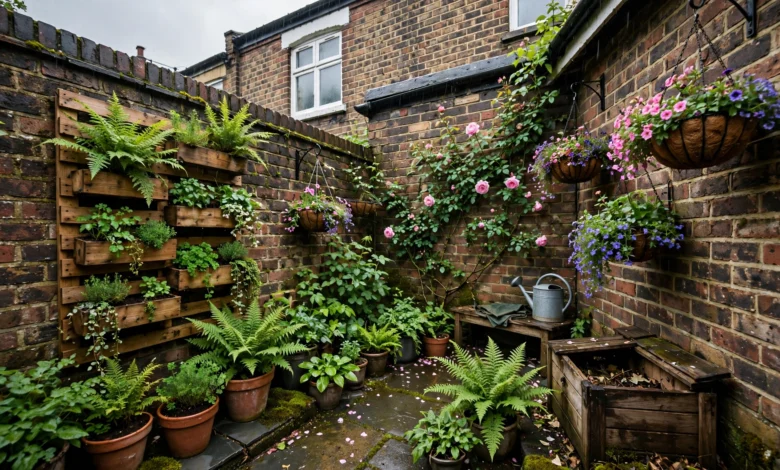
- Go vertical. Wall-mounted planters, trellises, and climbing plants like clematis or jasmine let you add greenery without eating into floor space.
- Use raised beds along the boundary. This keeps the centre of a small yard open for seating or a table while still giving you planting space.
- Choose multi-purpose furniture. A bench with storage underneath, or a table that folds flat against a wall, makes a tiny space feel less cluttered.
- Add a mirror on a fence. It sounds like a trick, but a weatherproof garden mirror genuinely makes a small space feel bigger and reflects more light into shaded corners.
- Keep the colour palette simple. Two or three repeated plant colours look far more intentional in a small space than a chaotic mix of everything the garden centre had in stock.
Small gardens actually reward good planning more than large ones, because every square metre has to earn its place.
Front Garden Ideas That Boost Curb Appeal
Front gardens in Manchester often get less attention than back gardens, but they’re the first thing anyone sees, including potential buyers if you’re planning to sell.
- Low box hedging or lavender borders along a front path add structure without blocking the view of the house.
- Permeable paving for parking areas lets rain drain naturally instead of pooling, which matters given how often it rains here.
- Pot displays by the door are an easy, low-commitment way to add colour that can be changed seasonally.
- Simple, well-maintained lawns still make a strong first impression, and a stripe pattern from mowing adds a surprisingly tidy look for very little effort.
If your front garden currently doubles as a bin storage area (a common reality in terraced streets), a simple screening panel or trellis with a climbing plant can hide the bins while still looking deliberate.
Vegetable and Herb Gardening in Manchester
Growing your own food is one of the most rewarding gardening ideas for Manchester homes, and the climate is more forgiving than people assume, as long as you pick the right crops.
- Leafy greens like kale, chard, and lettuce handle cooler summers well and can be grown almost year-round with some protection.
- Root vegetables, including carrots and beetroot, do fine in Manchester’s soil once it’s been improved with organic matter.
- Soft fruit such as raspberries, blackcurrants, and gooseberries genuinely love the cool, damp climate and are some of the easiest crops to grow successfully here.
- Herbs like mint, chives, and parsley thrive in partial shade, which suits many Manchester gardens better than sun-hungry basil or thyme.
If space is tight, a few large containers or a small raised bed against a south-facing wall (if you have one) will outperform an ambitious full vegetable patch that’s harder to maintain. The Royal Horticultural Society publishes detailed month-by-month growing guides that are worth bookmarking if you’re serious about growing your own.
Dealing with Manchester’s Clay Soil
Anyone who’s tried to dig a flower bed in Manchester knows the frustration of heavy, sticky clay. It’s not a lost cause though, clay soil is actually rich in nutrients, it just needs help with structure and drainage.
- Add organic matter regularly. Well-rotted compost or manure dug in each autumn gradually improves texture over a few years.
- Avoid working the soil when it’s wet. Digging clay when it’s saturated compacts it further and makes the problem worse.
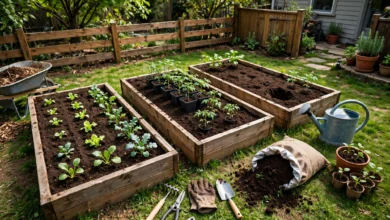
- Consider raised beds. They let you control the soil mix directly rather than fighting the clay underneath.
- Mulch in autumn. A layer of mulch protects the soil surface over winter and continues feeding it as it breaks down.
- Choose clay-tolerant plants. Many shrubs and perennials, including viburnum, geraniums, and most ferns, are naturally suited to heavier soils.
Improving clay soil is a slow process, but it’s one of the most valuable long-term investments you can make in a Manchester garden.
Water-Wise and Rain Garden Solutions
With as much rain as Manchester gets, managing water sensibly is worth thinking about early rather than after your patio floods for the third time.
- Install a water butt under a downpipe to collect rainwater for use during dry spells, and to reduce pressure on drains during heavy storms.
- Create a rain garden in a low-lying part of your plot using moisture-loving plants that can absorb excess water naturally.
- Use gravel or permeable paving rather than solid concrete for paths and parking areas, which helps water soak away instead of pooling.
- Check your guttering and drainage each autumn before leaves clog things up ahead of winter storms.
These small changes reduce waterlogging, cut your water bill, and are increasingly recommended as part of sustainable Manchester gardens planning by local councils.
Patio and Seating Area Ideas
A garden isn’t just about plants, it’s also about having somewhere pleasant to sit, even given our unpredictable weather.
- Add a pergola or simple canopy so you can still use the garden during light rain, which in Manchester is most weeks of the year.
- Choose weather-resistant materials like powder-coated aluminium furniture or hardwood treated for outdoor use, since cheaper materials rust or warp quickly in damp conditions.
- Include a fire pit or chiminea for the cooler evenings, extending how much of the year you can actually enjoy the space.
- Position seating to catch what sun you do get, usually a south or west-facing spot, since every bit of sunshine matters here.
Wildlife-Friendly Gardening
Manchester has a growing number of community initiatives encouraging wildlife-friendly gardens, and it’s a satisfying way to make your space more interesting.
- Leave a small wild patch of long grass or wildflowers rather than mowing every inch, which supports insects and pollinators.
- Add a bird feeder or nesting box, particularly useful given how many green corridors run through the city’s suburbs.
- Build or buy a small pond, even a container pond, which can attract frogs, newts, and beneficial insects within a single season.
- Avoid pesticides where possible, since a healthy population of ladybirds and lacewings will do a lot of pest control work for free.
Seasonal Maintenance Tips for Manchester Gardens
Keeping a garden looking good here is less about big projects and more about small, consistent seasonal jobs.
- Spring: Cut back dead growth, divide overcrowded perennials, and start hardening off young vegetable plants.
- Summer: Deadhead flowers regularly, keep an eye on slugs and snails (which love the damp), and water containers during dry spells.
- Autumn: Mulch beds, plant spring bulbs, clear gutters, and cut back perennials that have finished flowering.
- Winter: Protect tender plants with fleece, check that raised beds and containers are draining properly, and plan next year’s layout while things are quiet.
Staying on top of these small tasks each season prevents the garden from ever feeling overwhelming, which is really the key to enjoying it long term.
Conclusion
Manchester’s climate and clay soil can feel like obstacles, but they’re really just conditions to design around, not problems to solve. By choosing plants suited to cool, damp weather, improving your soil gradually, managing water sensibly, and making the most of small spaces with smart layout choices, you can build a garden that looks good in every season rather than just the two sunny weeks in July. Whether you’re working with a tiny terraced yard or a larger suburban plot, these gardening ideas for Manchester homes give you a practical starting point that actually fits the city you live in, not a generic guide written for somewhere with a different climate entirely.